NASCAR Dropped the Eliminations. Most Points Wins Now
The Chase opens Sunday at Darlington with 16 drivers and no cuts. Ten races, one reseed, and the most points takes it.
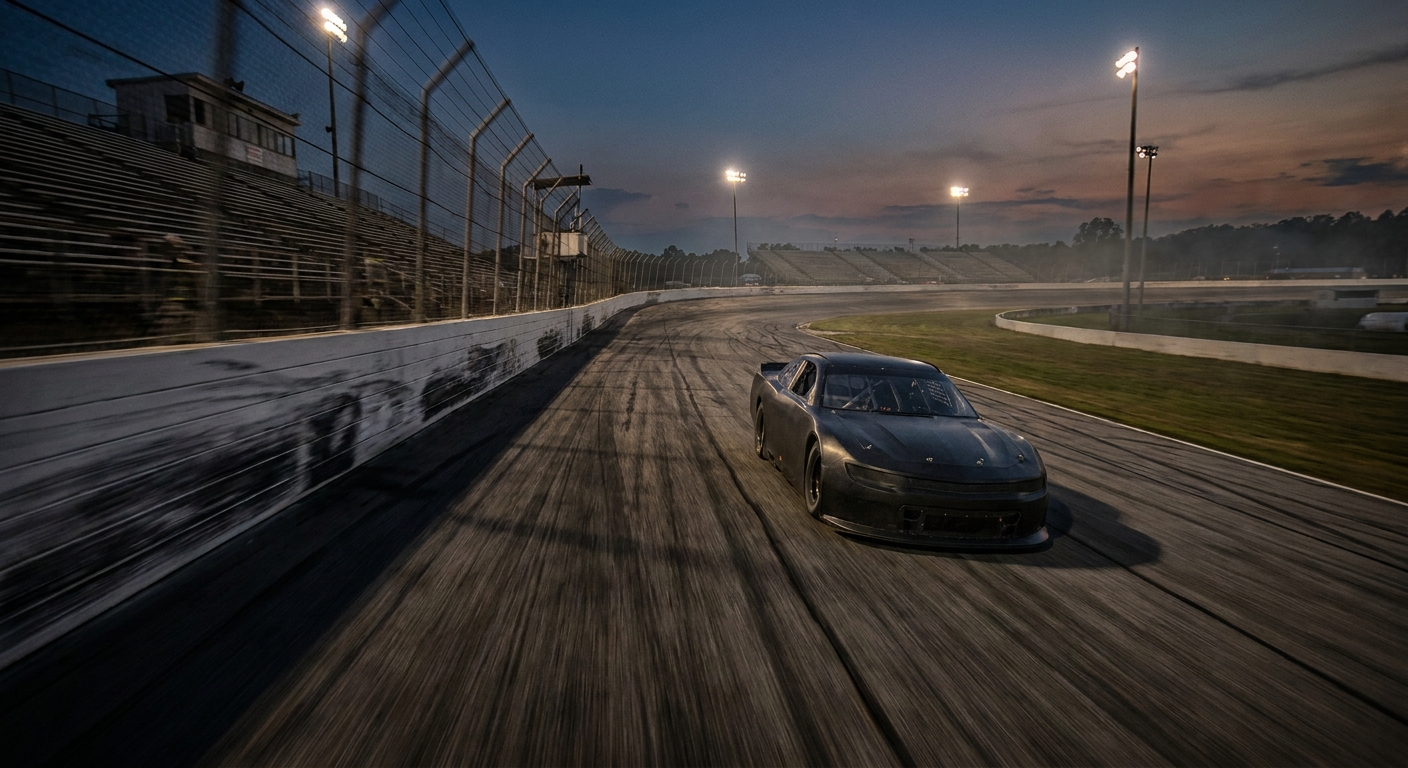
For more than a decade the last ten weeks of the season were a bracket. This year they are a scoreboard again.
The Cook Out Southern 500 runs Sunday at Darlington Raceway at 5 p.m. It is the twenty-seventh points-paying event of the season, and it opens The Chase — the format NASCAR brought back for 2026 across all three national series.
What went away
The Round of 16, the Round of 12, the Round of 8 and the Championship 4 are gone. So is win-and-you're-in.
There are no eliminations. Nobody gets cut after three races for a bad weekend, and nobody buys a title shot with one good afternoon in October.
What replaces all of it is simpler than what it replaces: a single cutoff at the top sixteen with ten races to go, and then ten races of adding points.
How the new one actually works
The regular season is twenty-six races. At the end of it, sixteen drivers advance.
Points are reseeded once — exactly once — based on where each driver finished the regular season. After that reseed there is no second reset, no reset between rounds, because there are no rounds.
The driver who led the regular season starts the Chase with a twenty-five point cushion over the second seed. That is the reward for a full season instead of a hot month.
Ten races later, whichever of the sixteen has the most points is the champion. That is the whole rule.
Worth being precise about the reseed, because it is the part people get wrong. It is not a wipe. Drivers do not all start level and they do not start from zero; they start in the order they earned across twenty-six races, with the gaps compressed and the leader holding his cushion. A season of finishes still counts for something on the first lap at Darlington, which is the opposite of what the bracket did.
Who arrives how
Denny Hamlin is the top seed. He locked it with a seventh-place finish at New Hampshire and carries the twenty-five point advantage into Sunday.
Tyler Reddick is seeded third. Five Toyota drivers sit in the top six of the reseeded standings, which is a concentration you do not usually see going into a title run.
Chase Briscoe is the defending winner of the Southern 500, so he arrives at the one track where he already knows the answer.
Ryan Preece won at Daytona in the last race before the cutoff, which is the kind of finish that used to decide who got in under the old rules and now decides only where you are seeded.
Why the change matters more than it sounds
Under the bracket, consistency was worth less than timing. A driver could run top-five all summer, have one bad race in the wrong week, and be out. Another could stumble for twenty-five races, win once, and still be alive in November.
The Chase does not do that. It rewards the season you actually ran, and it makes every one of the ten races count the same amount instead of loading everything onto three cutoff weekends.
It also changes how the middle of the field races. Without an elimination line to survive, a driver in tenth is racing for points on lap 300, not for track position on a restart that decides whether the season ends.
Where it opens
Darlington is 1.366 miles and it does not forgive. The corners are not the same shape as each other, the surface takes the right side of the car apart over a long run, and the wall gets used.
Opening a ten-race title run there instead of somewhere flat and forgiving is a decision, not an accident of the calendar. The track that punishes tire management the hardest gets the first word on who can manage a championship.
If you are watching from the shop
The Chase runs ten weeks, from Sunday through the finale. There is no week where somebody is mathematically safe and no week where somebody is mathematically out early, which means the standings are worth checking every Monday instead of only during cutoff weekends.
And the number to keep in your head is twenty-five. That is the head start the regular-season leader carries, and over ten races it is roughly one strong finish. Not decisive. Not nothing.
Between races, keep your own equipment ready: suspension, alignment and brakes in Houston, Dallas and Monterrey at thetrucksavers.com.
Original source: NASCAR, The Chase 101