NAFA 2027: Give Your Fleet Trip a Clear Purpose
Plan your NAFA 2027 trip around a fleet decision. Check the program, registration access and actual itinerary first.
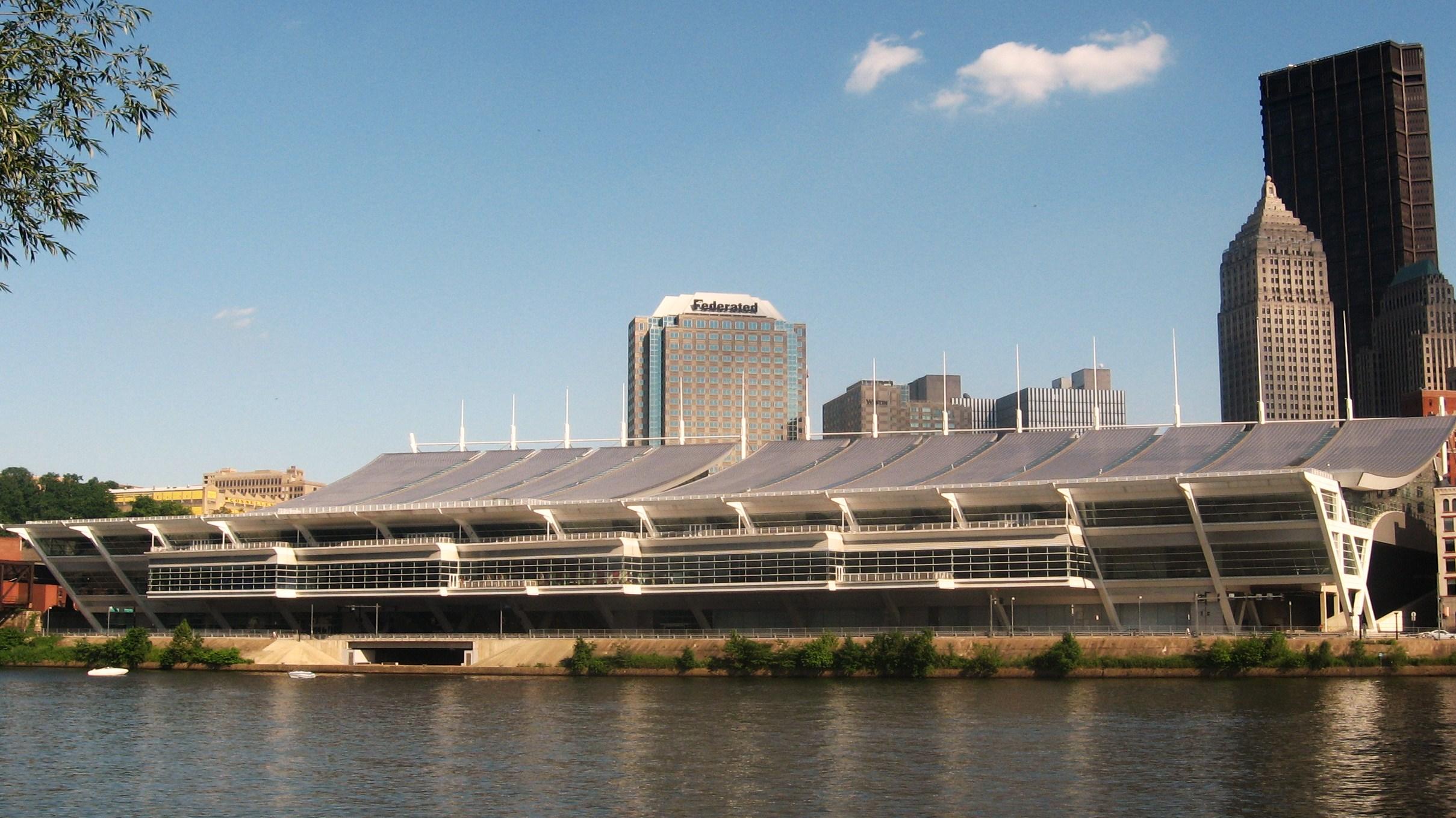
A fleet event belongs on the travel calendar only after someone can explain what decision the trip is meant to improve. NAFA Institute & Expo 2027 is scheduled for April 5–7 at the David L. Lawrence Convention Center in Pittsburgh. For a small fleet reviewing vehicles, maintenance support or management tools, that date is a starting point for planning, not proof that the expense will pay for itself.
What the organizer has confirmed
NAFA's attendance page lists the venue at 1000 Ft. Duquesne Boulevard, Pittsburgh, Pennsylvania. Its audience information describes both corporate and government fleets and identifies work involving vehicle selection, maintenance management, upfitting, fuel management and fleet software. That mix helps a prospective visitor judge whether the event matches an actual fleet question rather than simply recognize the name.
The organizer's promotional page also describes education, an exhibit hall and a Ride & Drive experience. Those broad offerings do not establish access for a particular registration package, a confirmed appointment or the availability of a specific vehicle. Check the current program and registration terms before committing. This article provides an editorial trip-planning framework, not registration assistance or a forecast of the event's final schedule.
Write the fleet question before selecting a session
Start with one operational decision you already face. A hypothetical fleet might be comparing how two maintenance providers document work, or trying to understand what information a software product can export. Write the question in terms of your own operation, including the vehicles involved and the person who will evaluate the answer. Avoid a broad objective such as “find better technology,” which leaves almost any conversation looking relevant.
A short brief can state the current problem, the information missing and the next decision after returning. It should also identify what cannot be decided at a booth. A demonstration can introduce a product, but it does not replace checking fit, service coverage, commercial terms or your own requirements. Keeping that distinction visible gives the visitor a useful task without turning the trip into a purchasing commitment.
Match the visitor to the decision
The person attending should be able to explain the fleet's question and bring the answer back in a form colleagues can use. That may mean preparing details with the maintenance lead before someone from management travels, or asking the purchasing contact which terms need clarification. This is a suggested preparation process, not a claim that NAFA requires any particular job title for admission.
Decide beforehand who can approve a purchase and who is only gathering information. A staff member should not need to guess that boundary during a sales conversation. A useful hypothetical introduction is: “We are comparing options for this requirement and collecting information for our team.” It states a purpose without implying authority that the traveler has not been given.
Build the travel budget around the real itinerary
The announced April 5–7 event window does not answer when your traveler should arrive or leave. Use the current program to identify the relevant activities, then evaluate transportation, lodging and time away from the operation. Record the assumptions beside the estimate. A hotel quote for different nights or a registration option with different access should not be compared as though it were the same trip.
For an owner-operator, absence from the business belongs in that calculation even if another person handles the travel booking. For a fleet sending an employee, identify who covers the person's normal work. This guide supplies no ticket price, hotel rate or promised revenue gain. Use actual quotes and your own operating information instead of substituting an event's promotional language for a financial case.
Collect comparable answers, not just brochures
Prepare the same core questions for providers addressing the same requirement. Ask what the offered service includes, what information is needed to evaluate fit, and how a follow-up will occur. Write down who answered and whether the response concerns a general product or your described application. That makes a later comparison more useful than a folder of unrelated marketing material.
Separate a confirmed answer from an item awaiting review. If a representative says a technical colleague will respond later, record that as pending. Do not treat a friendly conversation as verified compatibility, available capacity or an agreed commercial term. The purpose of the visit is to improve the next decision with evidence, not to erase uncertainty merely because the meeting happened in person.
Plan the return conversation before leaving
- Identify the fleet decision and the information currently missing.
- Check the current program against that question.
- Confirm registration access and the actual travel dates.
- Set the visitor's authority and work-coverage arrangements.
- Use comparable questions for relevant providers.
- Assign follow-up ownership for unresolved answers.
After the trip, compare the collected information with the original brief. Keep any buying decision subject to the fleet's normal checks. A clear question, an appropriate attendee and a documented follow-up are more useful planning outputs than a travel reservation made simply because a major event appears on the calendar.
Illustrative archive photograph of the David L. Lawrence Convention Center, 2008; not NAFA2027 attendance or current conditions. TheZachMorrisExperience, CC BY-SA 3.0. Image record. Reproduced without additional changes.

Read more practical fleet and vehicle coverage.