Motive Agents: Check the Maintenance Handoff
Motive Agents connect signals and assigned actions. Confirm scope, ownership and service evidence before changing a fleet workflow.
Motive introduced Agents on October 19, 2026, describing a system that turns configured conditions into operational actions. For a small fleet, the useful question is what happens after a maintenance signal appears: who receives it, who owns the work and what evidence closes it. An automatic work order can organize that handoff. It cannot, by itself, demonstrate that a vehicle has been inspected or repaired.
The company distinguishes capabilities available now from its development roadmap. Its launch article describes configurable triggers and actions today, with voice-agent outreach planned later this year and goal-based setup planned for early 2027. Those future functions should not be treated as available features in an October purchasing decision. Availability for an individual fleet still needs confirmation with the provider.
Separate the signal, the assignment and the repair
Motive describes maintenance workflows that can create a work order and change vehicle availability when a fault meets the fleet's configured criteria. That creates a practical management distinction: receiving a signal, assigning work and documenting completed service are separate events. Dispatch needs to know which event the record represents before relying on it for the next trip.
Consider an illustrative planning exercise, not a report about a particular vehicle. A fleet receives a maintenance signal while a dispatcher is assigning tomorrow's loads. The office should be able to identify the unit, see who accepted responsibility and locate the technician's findings. If the only visible record is an automatically generated task, the repair outcome remains unverified.
Ask what the subscription actually includes
The company's maintenance documentation separates its core Fleet Management tools from the additional Maintenance subscription. It also identifies connected hardware requirements for fault-code information. That makes the commercial scope a necessary part of the operational review. Do not assume that an existing camera, account or subscription includes every workflow shown in a launch presentation.
Ask the vendor to demonstrate the proposed process using the fleet's actual account permissions and the services under discussion. Record which functions require additional access, which depend on vehicle data and which are future plans. A demonstration is useful when the dispatcher, maintenance contact and administrator can each explain their own next step without relying on an unspecified automation.
A handoff checklist for the demonstration
- Identify the unit. Check that the vehicle identifier, time of the signal and supporting information remain visible together. Similar truck names should not send a task to the wrong maintenance record.
- Name the responsible person. Agree who reviews the signal, who can change availability and who follows up if the first person is unavailable. A notification sent is not the same as an assignment accepted.
- Explain the trigger. Have the vendor show which condition starts the workflow. Ask how the team can review an unexpected action before copying the setup across more vehicles.
- Keep service evidence. Ask where inspection findings, authorized work and completion records will be stored. A task marked complete should point to the supporting record rather than replace it.
- Check the dispatch handoff. Demonstrate what the dispatcher sees while an issue is being reviewed and after the responsible person records its resolution. Do not invent a universal release procedure for every fleet.
Measure the process before claiming savings
For an initial evaluation, keep a simple list of signals reviewed, assignments acknowledged, service records located and unresolved handoffs. Use the same definitions before and during the evaluation. This is an editorial suggestion for organizing a trial, not a measured result from Motive or a promise that a particular fleet will reduce costs.
Ask staff to note duplicate tasks and unclear ownership as well as time spent following up. A shorter list of open tasks can mean that work was completed, but it can also mean that records were closed without adequate detail. Review examples with the people who handled them before presenting a percentage improvement or changing the operating process.
Before the next vendor demonstration: read the official maintenance scope and subscription split, then bring the five handoff questions above. Keep current capabilities, planned features and verified repair evidence separate when deciding what your fleet needs.
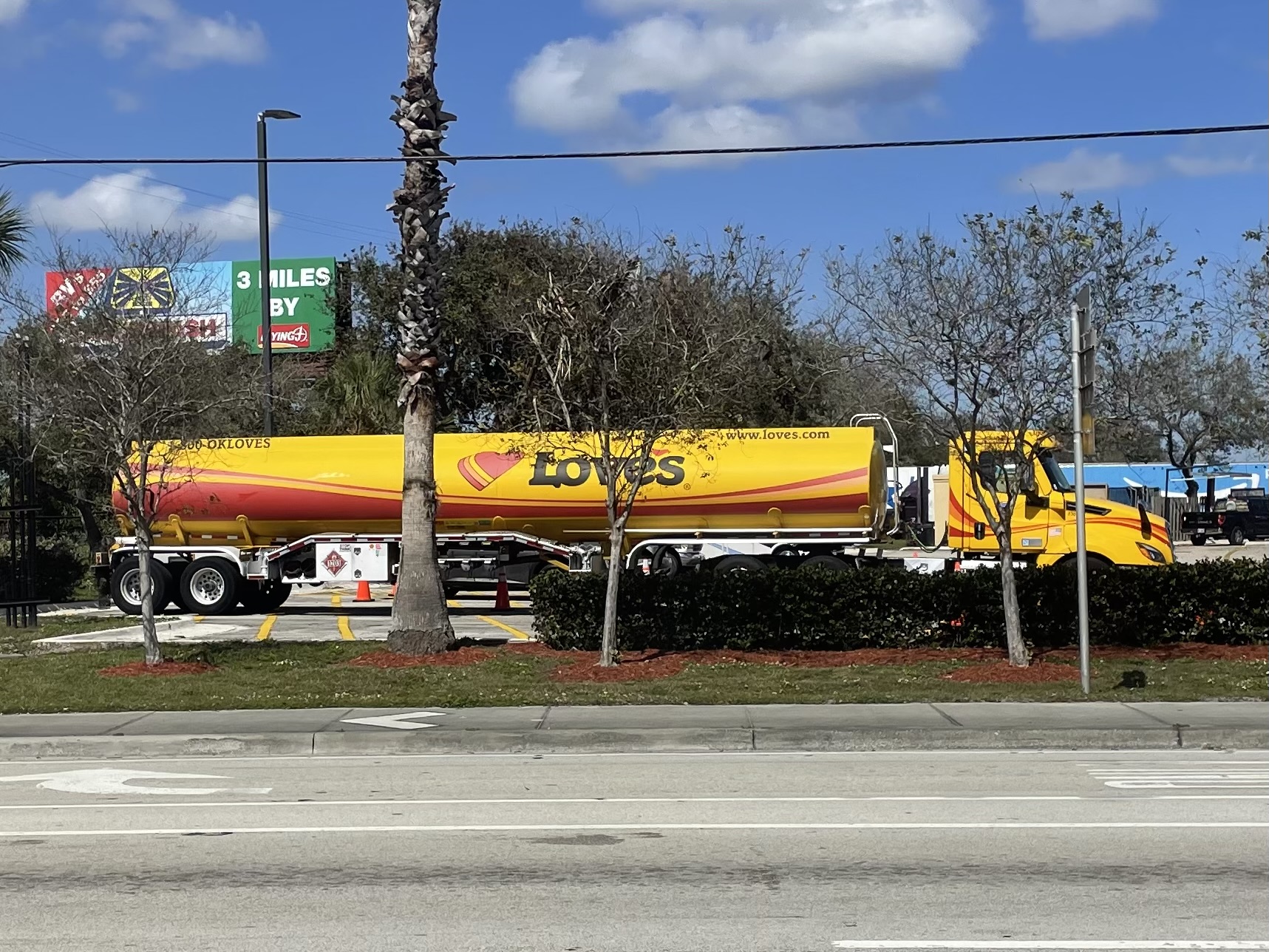
Photo credit: Illustrative archive photograph: Freightliner Cascadia operated by Love’s, February 17, 2025. Winnebaggo, CC0, via Wikimedia Commons; original image reproduced without alteration. It does not establish Motive equipment use or a customer relationship. Wikimedia Commons.
