Mexico Heavy-Truck Output: Read Beyond the October Jump
Mexico heavy-truck output rose in October. Separate factory totals from sales before changing your equipment budget.
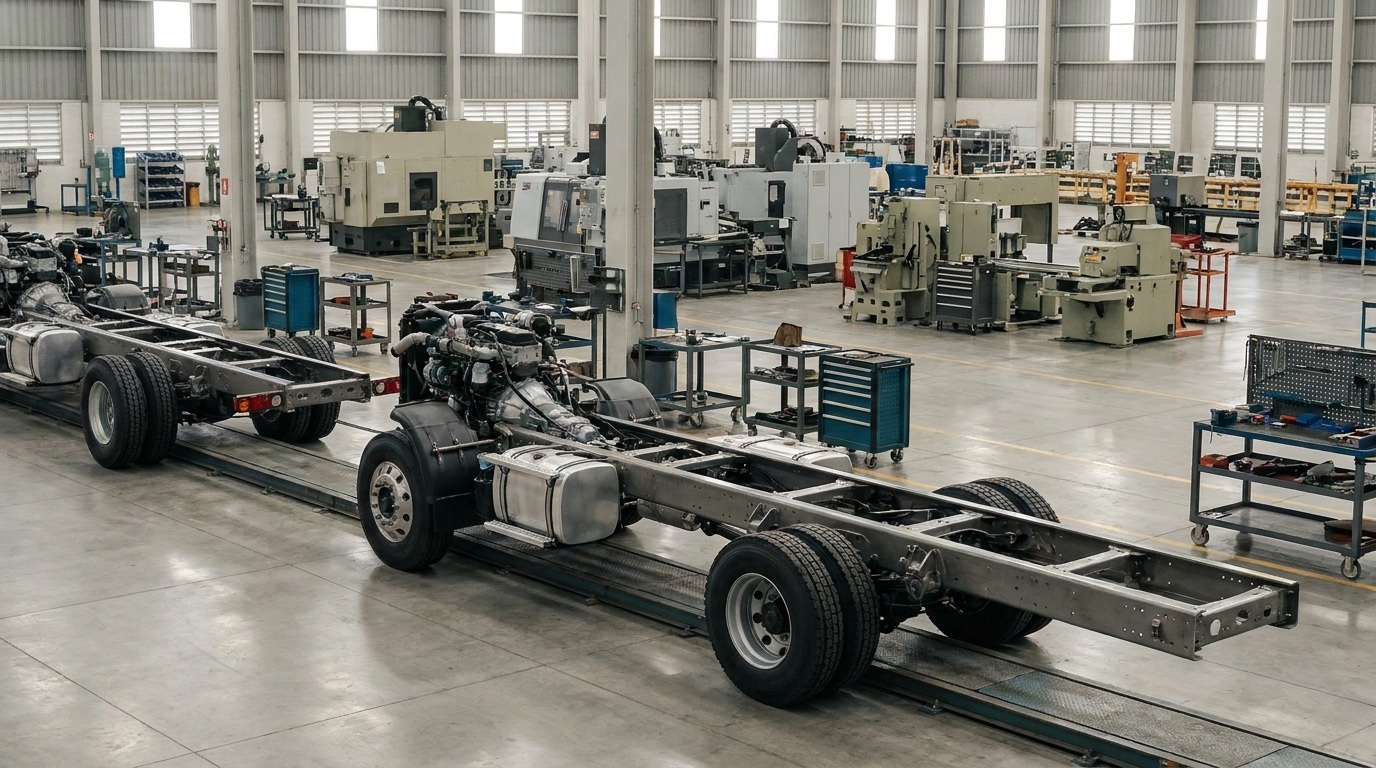
AI-generated editorial illustration; not a documentary photograph.
Mexico produced 16,375 heavy vehicles in October 2026, up 129.6% year over year, according to INEGI. Domestic retail sales were 3,162, up 5.1%. January–October retail sales totaled 28,479 versus 33,653 a year earlier. The preliminary release also adds Ford reporting from May 2026. These figures cover heavy vehicles, including buses, rather than one truck model.
A factory count is a starting point for questions
TSN's practical interpretation is that an equipment buyer should use the report to improve a purchasing conversation, rather than to replace it. Production and domestic retail sales describe different activities. Neither tells an owner-operator what a dealer will quote for a particular vehicle today. A national total cannot identify the truck's specification, the finance terms offered to that customer, or the date an upfitter can finish the body.
The gap between a strong individual month and a weaker cumulative sales comparison is also a reason to keep the time period visible. A buyer reading only a large percentage can overlook the comparison being made. Before passing a headline into an internal budget, write down the month, the year, the measure and whether the figure is preliminary. That small record makes later revisions easier to understand without treating an updated number as a separate business event.
Turn the headline into a written equipment request
For a carrier considering a replacement, start with the job the vehicle must do. Our suggested purchasing worksheet lists the required configuration, expected annual work, body or trailer requirements, and the intended service location. Keep this separate from a national market chart. The worksheet describes your operation; the chart describes reported market activity. Combining them without a supplier response can create an apparent equipment plan that has no confirmed vehicle behind it.
Next ask the supplier to identify what is actually being offered: an existing unit, an allocated build, or an order awaiting confirmation. Request a written description of the configuration and a dated quote. If a delivery estimate changes, record the new estimate beside the old one. Do not convert a general industry rebound into a promised handover date or assume that more production means your preferred specification is immediately available.
Build the budget from comparable written offers
An illustrative internal comparison could place two quotations side by side. Use matching descriptions of the vehicle and clearly identify differences in equipment, taxes, delivery charges, warranty coverage and financing assumptions. This is a suggested comparison method, not a claim that all suppliers include or exclude the same items. If one offer contains a body installation and the other does not, resolve that difference before calling either offer cheaper.
Keep operating assumptions visible as well. Ask who will support the equipment near its intended routes, what information is needed to arrange service, and which quoted items remain subject to confirmation. A factory statistic does not answer those questions. It also does not establish the resale value of the truck you already own. Obtain a separate written trade-in or sale offer rather than subtracting an assumed value from a new-equipment headline.
A monthly review that can be checked later
Our editorial checklist separates the public evidence from the carrier's own decisions. Save the source release and its reporting date. Record supplier answers in a different section. When the next official release arrives, compare like measures and like periods before describing a change. A different reporting population, a revised earlier figure or a partial year deserves a note in the worksheet, not an unexplained adjustment to a chart.
- Identify the exact reporting period and measure before sharing the headline internally.
- Confirm the offered vehicle, specification and availability directly with the supplier.
- Compare dated quotations using the same included items and financing assumptions.
- Record unresolved delivery, body installation and service questions as unresolved.
- Keep the existing vehicle's disposal value separate until there is a real offer.
The preventive takeaway is straightforward: review the equipment plan with documents that describe your actual purchase. Use the national release as context and keep uncertainty visible until the supplier answers it. For further practical equipment and operating explainers, read Truck Savers News. That is this article's reading destination; no sale, delivery slot or financing outcome is implied.
Original source: INEGI, RAIAVP, October 2026; released November 11.