Maxon Liftgate Parts Require Identification
Maxon parts searches need the right equipment identity. Check model, serial range and drawing before approving a replacement.
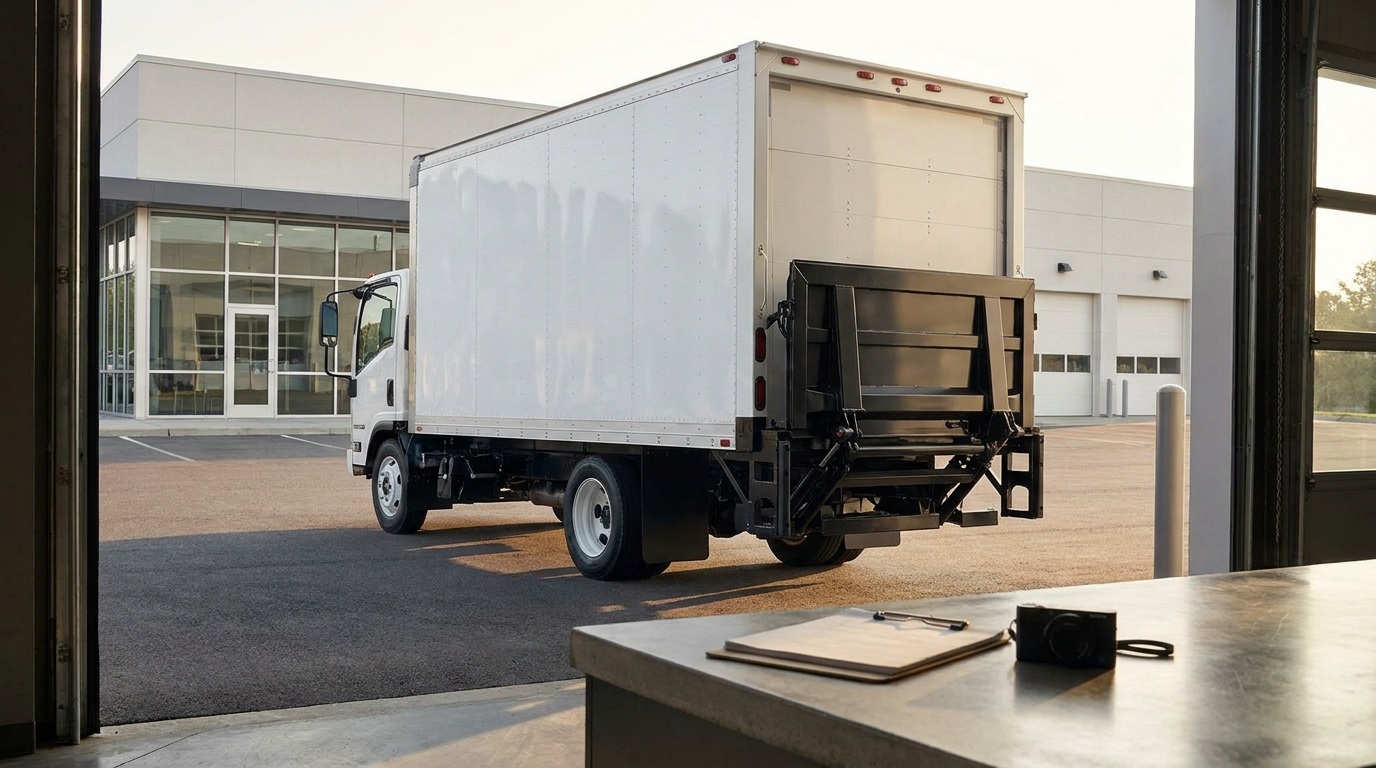
AI-generated editorial illustration; not a documentary photograph.
A liftgate parts quote should start with the gate’s identity. A truck’s year, body style or familiar-looking component does not establish which liftgate parts diagram applies. Maxon publishes a serial-plate guide that helps identify the manufacturing date range before entering its parts catalog. For a small fleet, the useful step is turning that information into a clear request before a vehicle waits for a replacement that has not been confirmed.
Identify the gate separately from the truck
Maxon’s guide places the serial plate on the liftgate’s main frame. Its first four serial digits identify the manufacturing month and year, but the sequence depends on age: before June 2014, the month comes first; after June 2014, the year comes first. The guide then directs the reader to select the correct parts breakdown. Those instructions identify a date range; they do not diagnose a malfunction or certify interchangeability.
Record the full serial number rather than forwarding only those first four digits. Include the model information visible on the plate and a photograph that preserves the complete identification. If the date appears to fall exactly at the transition, or the stamping is unclear, ask the manufacturer or a qualified parts specialist to interpret it. Do not fill an unreadable digit from memory, a neighboring vehicle or a component that happens to look similar.
Build a request that another person can check
The following is an editorial checklist for organizing a service request, not a Maxon repair procedure. Put the truck’s internal unit number at the top, then identify the gate on its own line. That keeps a maintenance coordinator from attaching photographs to the wrong vehicle when several box trucks have similar bodies. Record when the information was collected and who can clarify it. Keep the original images available, because a cropped screenshot may remove the very field a supplier needs.
- A legible image of the whole liftgate identification plate, captured only from a safely accessible position.
- The complete serial number and model as shown, with unclear characters explicitly marked for confirmation.
- A wider equipment photograph that provides context without requiring anyone to enter a hazardous area.
- The requested part or reported symptom, clearly separated from any unconfirmed diagnosis.
- The applicable catalog drawing and the supplier’s confirmation of fitment before an order is approved.
Keep a symptom separate from a shopping decision
A description such as “the gate stopped during the delivery” is a symptom. A request for a specific motor, switch or hydraulic component is already a parts decision. If no technician has established the cause, label the request accordingly. Sending a clear symptom and identification record lets the service provider decide what information or inspection is needed. It avoids presenting a guess as if a diagnosis had already been completed.
Consider a hypothetical fleet with two trucks bought in the same year. One gate may have been installed earlier, replaced later or transferred with a body. The truck purchase date alone cannot resolve which drawing applies. This example is not a report about a Maxon defect; it illustrates why the gate’s own identity belongs in the maintenance file. A useful quote answers which identified equipment the proposed part fits, rather than merely matching a familiar vehicle description.
Confirm the drawing before comparing prices
When quotations arrive, compare the equipment identity, part number, quantity and scope on the same basis. Ask the supplier to state which drawing or serial range supports its recommendation. A lower quoted amount is not yet a lower repair cost if the two offers describe different assemblies or leave fitment unresolved. Freight, return conditions, availability and labor scope can be recorded separately. This article does not promise savings, inventory or any particular repair turnaround.
The identification task also has a safety boundary. Do not move an inoperative platform, release a support or reach beneath equipment simply to obtain a photograph. If the plate cannot be read from an accessible location, leave identification and inspection to an appropriate service provider using the manufacturer’s procedures. A missing record is a reason to arrange the right inspection, not permission to improvise an operating or repair method.
Preserve the answer for the next service request
After the equipment and proposed part are confirmed, save the supplier’s written identification together with the plate images and the final work order. Record what was actually installed, rather than replacing the entire file with the original estimate. If the gate is later replaced, update its identity while retaining the older record as history. Keeping those two versions distinguishable makes the next request easier to review without treating past fitment as a guarantee for different equipment.
For an operator preparing a broader preventive-maintenance request, The Truck Savers™ service information provides a place to organize the next conversation. Confirm the provider’s scope for the equipment involved. The practical takeaway is simple: collect the gate’s identity, confirm the applicable drawing and obtain fitment confirmation before turning a parts search into a purchase.
Original source: Maxon Lift: Liftgate Serial Plate.