Maverick XL 2027: Hybrid Only, and the Tow Number Drops
The base work trim now comes one way only. Ford dropped the EcoBoost option on the XL for 2027.
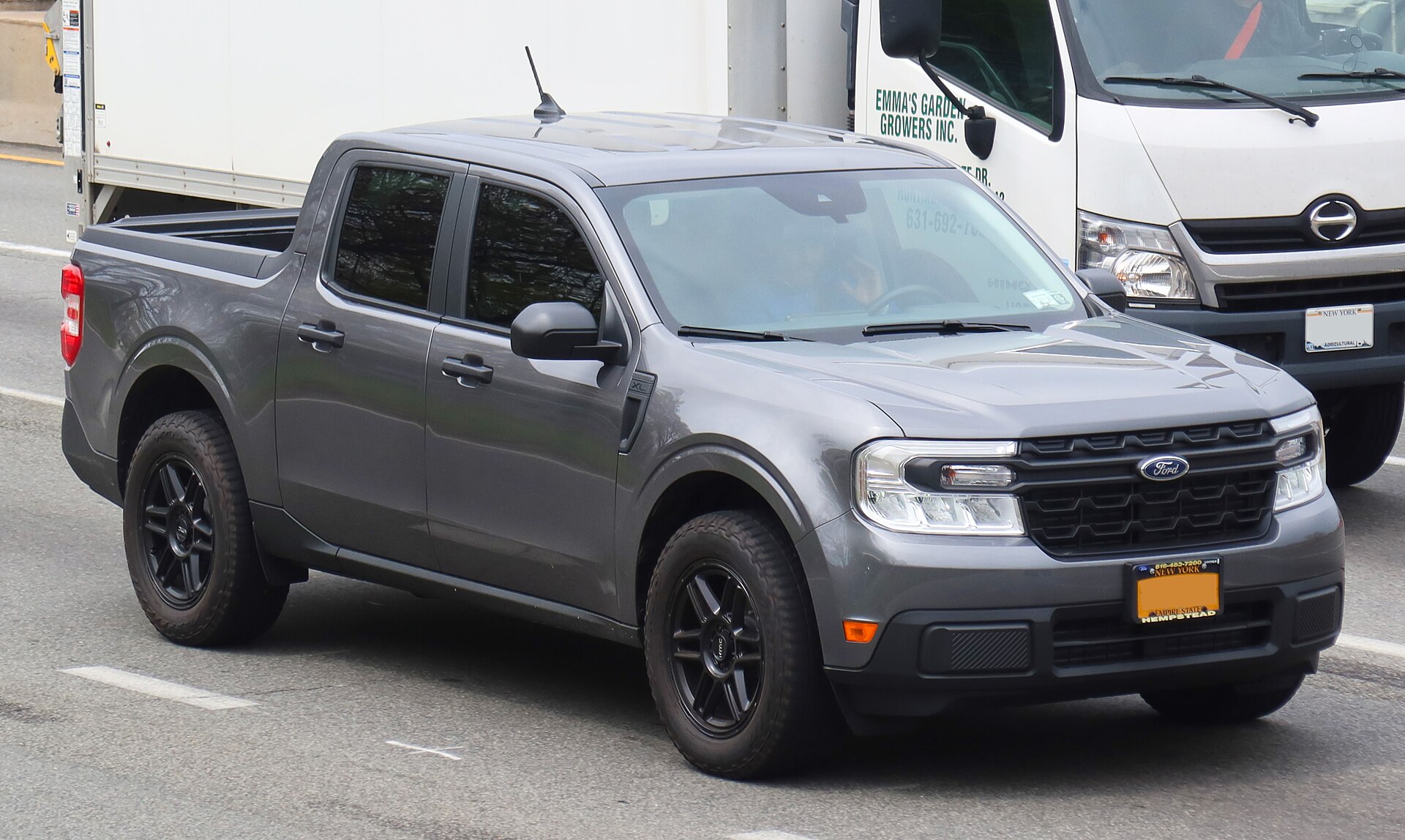
For 2027, the Maverick XL comes one way: hybrid. The 2.0-liter EcoBoost is no longer on the option sheet for the base work trim, and the Lariat loses it too.
If you buy Mavericks as service units, this is not a spec-sheet footnote. It changes what the cheapest configuration can do, and what the configuration you actually wanted now costs.
What changed, in dollars
- Maverick XL hybrid: starts at $28,145, before destination.
- Cheapest EcoBoost you can still order: the XLT AWD at $30,745.
- The gap: $2,600 to keep the turbo gas engine — and that means moving up a trim, not just checking a box.
For 2027 the EcoBoost survives on XLT AWD, Lobo and Tremor. Everywhere else, hybrid is the truck.
The number that decides it for a work fleet
Towing. The hybrid is rated at 2,000 pounds. The EcoBoost, with the 4K Tow Package and all-wheel drive, goes to 4,000 pounds.
Two thousand pounds covers a small utility trailer and not much else. If your Maverick pulls a compact equipment trailer, a tandem of tires, or a welder, the hybrid is not a cheaper version of the same truck — it is a different truck with a lower ceiling.
And that ceiling is not a preference. Pulling past a manufacturer rating is how you find out what your brakes and your rear axle were rated for, usually at the worst possible moment.
Where the hybrid actually wins
We are not here to talk anyone out of it. For the truck that lives in stop-and-go city work — parts runs, service calls, short deliveries — the hybrid is the better tool, and the fuel savings show up in exactly the duty cycle where a turbo gas engine is least efficient.
The honest way to decide is to look at how the unit actually spends its week:
- Mostly city, rarely tows: hybrid, and the price cut is a bonus.
- Tows more than 2,000 pounds even occasionally: EcoBoost with the 4K package, and budget the trim jump.
- Highway miles with a load: run the numbers on both; the hybrid's advantage narrows at speed.
Why Ford did it
This is not Ford pushing a technology nobody asked for. The hybrid Maverick has been the version buyers wanted since the truck launched, to the point that it sold out in earlier model years while turbo units sat. When one powertrain carries most of the volume, keeping a second one on the cheapest trim costs the factory more than it earns.
Whether that logic helps you depends entirely on which of the two trucks you were going to buy.
What changes in the shop
A hybrid work truck is not harder to maintain, but it is maintained differently, and a small fleet should know that before the first unit arrives.
Regenerative braking does part of the stopping with the electric motor, so friction brakes on a hybrid used in city work tend to last noticeably longer than on a comparable gas unit. That is a real saving, and it comes with a catch: pads and rotors that work less also corrode more, especially on trucks that sit. The inspection interval does not go away — what it looks for changes.
The rest is the same truck. Tires, alignment, suspension and load limits behave exactly as they do on any compact pickup that gets used harder than the brochure imagined.
What to check before you order
- Weigh what you actually pull, trailer plus load, on a certified scale. Most people quote the trailer's empty weight and forget what is on it.
- Confirm the tow package is on the build sheet, not assumed. The 4,000-pound number requires the package and all-wheel drive.
- Check the payload sticker on the door jamb of the specific unit. Payload varies by configuration and it is the limit people blow through first.
- Ask what the trim jump costs you in insurance, not just in monthly payment.
The preventive read
A compact pickup that gets bought for one job and used for another is the fastest way to burn brakes, tires and rear suspension on a unit that was never rated for it. The spec sheet is not a suggestion: it is the manufacturer telling you where the truck stops being fine.
If your light fleet is already towing near its limit, the tires and the suspension will tell you before the warranty does. At The Truck Savers the inspection measures what the unit is really carrying instead of what the brochure said. Los fierros nunca mienten.
Original source: Ford Authority.