Maverick SV300T Kit: Check Lobo Fitment First
Maverick SV300T needs a fitment check. Match the exact Lobo kit and vehicle before approving parts or installation.
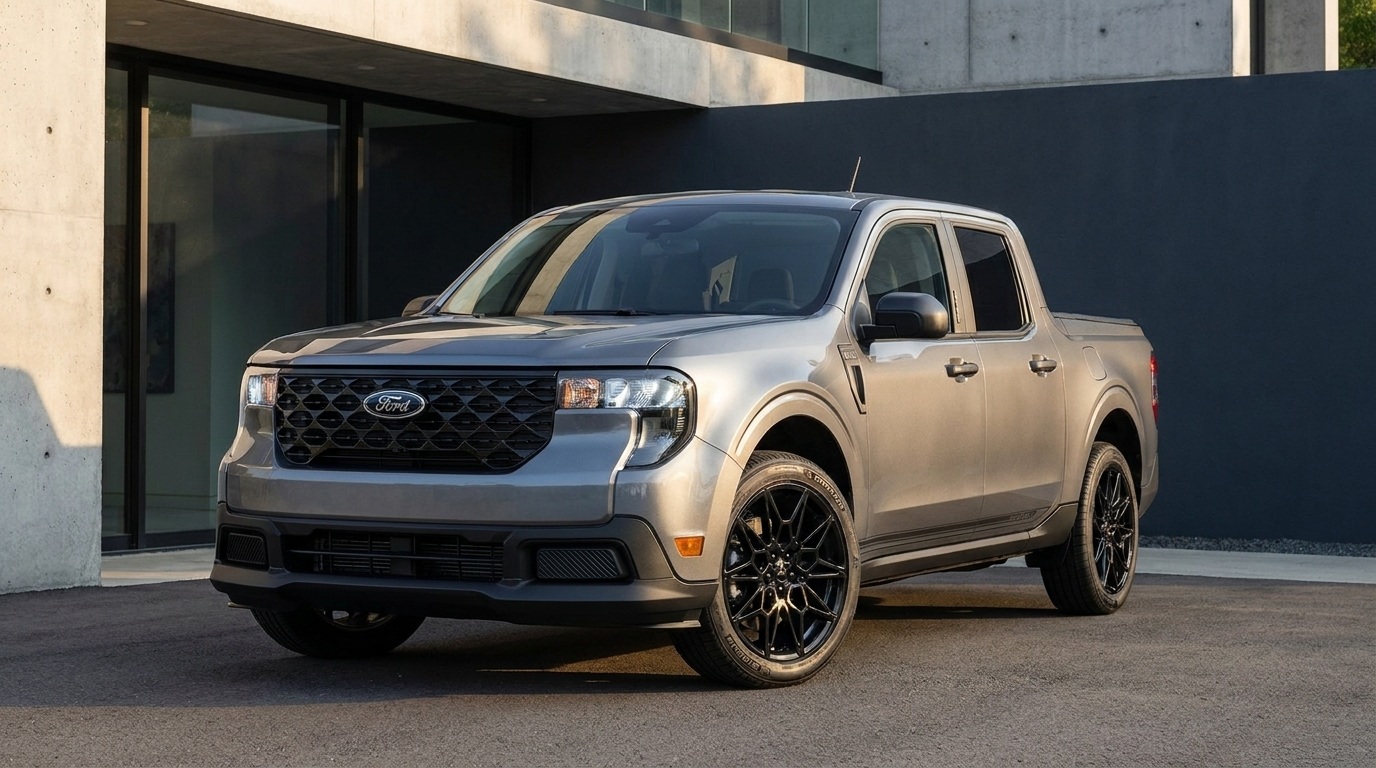
AI-generated editorial illustration; not a documentary photograph.
Ford Racing's current listing for the black Maverick SV300T package, part M-MAVERICK-SVS3, specifies 2025 and 2026 Maverick Lobo models with the 2.0-liter EcoBoost and all-wheel drive. The page advertises 300 horsepower and 350 pound-feet of torque and lists a turbo upgrade with calibration among its contents. Treat those as manufacturer-listed package figures, not measured results for an individual pickup or permission to apply this exact part to another version.
Start with the part number and the actual vehicle
A package name is useful for finding a catalog page. An order needs more precision. Write down the complete part number, then ask the seller or qualified installer to confirm it against the vehicle's identifying information. Keep the response with the estimate. This article addresses the particular Lobo listing reviewed November 10, 2026; it does not extend that page's fitment to every Maverick wearing a similar badge.
Owners comparing different catalog entries should keep each entry separate. A photograph, a color option or a similar performance claim does not establish that two order numbers contain identical components or have identical installation requirements. Ask for a written itemized comparison rather than combining details remembered from multiple pages. The correct purchasing question is which documented package applies to this vehicle and intended use.
Read a package as an itemized offer
Make a simple worksheet with three columns: what the listing states, what the installer confirms and what remains unresolved. Include the full part identifier at the top so the conversation stays attached to one offer. If a quote refers to a revised bundle, request the revised component list. A saved image alone is a poor substitute for the terms governing the actual purchase.
Use the same approach for appearance items and performance hardware. Ask which items arrive with the package, which must be ordered separately and which existing components the installer expects to retain. Do not infer an installation procedure from a marketing description. Any required preparation, calibration or compatibility decision belongs with the applicable manufacturer documentation and the qualified business responsible for carrying out the work.
Keep power figures separate from operating ratings
The headline output figure answers a different question from the records used to operate a pickup. A package advertisement is not a new payload label, a vehicle-specific towing statement or a documented fuel-economy result. Before planning a load or trailer assignment, use the applicable vehicle information and obtain an appropriate qualified answer for the actual configuration. This article supplies no revised operating rating and makes no towing-capacity claim for the package.
Likewise, the catalog figure does not tell an owner what a particular trip will cost. If the business wants to compare fuel spending before and after any approved change, it needs comparable operating records. Describe the route, distance and work being performed, retain the receipts and acknowledge differences between the periods. An uncontrolled comparison of two fill-ups cannot isolate what caused a change in consumption.
Ask for the complete installed proposal
A useful estimate identifies the package, any separate items, labor, required checks and the conditions governing completion. Ask the supplier which of those elements are included and which remain to be priced. This is a recommended way to organize a purchase request, not a claim that Ford or an installer uses a particular billing structure. The final scope must come from the actual parties providing the goods and work.
Time also deserves its own line. Confirm whether the proposed date concerns parts availability, a workshop appointment or completed work. Avoid making a work assignment depend on a loosely described arrival date. If the pickup must remain available for a business task, discuss that constraint before accepting the proposal and identify an approved alternative if the work cannot fit the requested schedule.
Get application-specific terms before authorizing work
Request the applicable warranty documents, road-use and emissions information for the exact vehicle, location and parts involved. This article does not establish those terms, certify a regulatory approval or promise that an existing vehicle warranty remains unchanged. A general statement about a different product or an earlier display vehicle cannot replace current documentation for this order. Leave any unresolved term visible until the responsible source answers it.
The same discipline helps when retaining records for the next owner or technician. Keep the accepted estimate, exact component identifiers, installation invoice and relevant documentation together. Record who supplied each confirmation. A clear file is more useful than a recollection that the package was advertised online, especially when a future question concerns the work actually performed rather than the catalog name.
- Match the exact part number to the actual vehicle.
- Obtain a written component and installation scope.
- Keep advertised output separate from operating ratings.
- Verify the terms for the actual application and location.
- Distinguish parts timing from completion of the work.
- Retain the accepted proposal and completed-work records.
Before approving an SV300T purchase, send the precise order number and vehicle information to the appropriate supplier for confirmation. That creates a useful decision point without guessing about other trims, model years or packages. The practical benefit is a documented match between the truck, the offer and the work being authorized.
Original source: Ford Racing — M-MAVERICK-SVS3.