Matson Logistics: More Revenue, a Narrower Margin
Matson Logistics reports a narrower margin. Compare a load’s actual costs and truck time before accepting the offer.
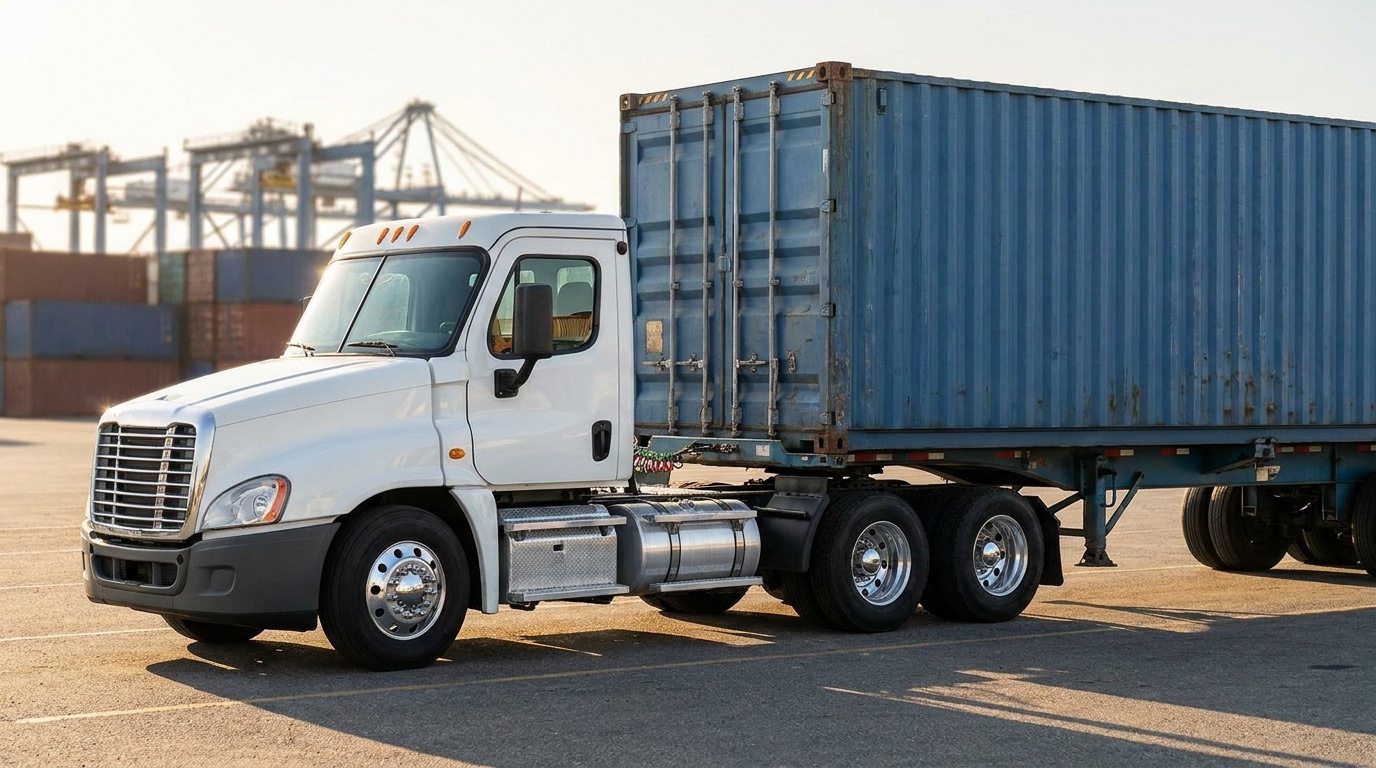
AI-generated editorial illustration; not a documentary photograph.
Matson’s November 4 results show a useful distinction: third-quarter logistics revenue rose 37.3% from a year earlier, while operating income rose 18.4%. The segment’s operating margin narrowed from 8.4% to 7.2%. Those company figures are context for evaluating freight business, not a price list for an owner-operator.
Start with the dollars a load actually leaves
For a small carrier, a bigger invoice and a better trip are separate questions. A load can add sales while consuming more of the week, requiring a longer empty repositioning move, or leaving the truck far from its next customer. The practical question is what remains after the work needed to earn that invoice. Keep that calculation alongside the headline rate when deciding whether to accept a new movement.
A corporate segment combines many transactions and costs. Your dispatch decision concerns a particular truck, route and appointment. Do not turn a segment margin into a target rate, a claim about a broker’s markup, or evidence of what a customer can afford. None of those terms is established by a company-wide release. Ask for the actual offer and evaluate the operation you would perform.
Build a trip sheet before comparing offers
Use one page for the load, starting with the written payment terms. Separate linehaul, any stated fuel component and accessorials that are actually authorized. Put conditional detention or other possible payments in a separate column until the trigger, documentation and approval are clear. A payment you hope to collect should not carry the same weight as one the customer has committed to in writing.
Next list all miles needed to complete the assignment, including travel to pickup and a realistic repositioning plan after delivery. Add the time reserved for pickup, loading, travel, unloading and administrative work. Do not fill unknowns with a best-case assumption simply to make the rate look acceptable. Flag the uncertainty and ask the counterparty a specific question before committing the truck.
A worked example with invented numbers
Consider a purely illustrative offer paying $1,800. Suppose the carrier expects $1,250 of trip-related costs. That leaves $550 before any fixed business costs, taxes or owner compensation not already included. Now suppose a second offer pays $1,950 but needs $1,500 of trip-related costs. Its remaining contribution is $450. The higher invoice leaves $100 less on these assumptions. These are invented teaching figures, not market rates, Matson payments or a quote.
The example also shows why definitions matter. If your cost estimate already includes a driver’s pay, do not subtract it twice. If it excludes a fixed truck payment, do not describe the remainder as take-home profit. Write down what is included, keep the same method for both offers, and compare the same unit of work. Otherwise a neat spreadsheet can conceal an uneven comparison.
Put time and the next load beside the mileage
A trip that leaves a contribution can still use an unattractive share of available truck time. Record the expected completion window and what must happen afterward. A short delivery with a long wait may prevent another assignment; a longer trip may finish where the next customer needs the truck. These are planning questions, not proof that either type of movement is always better. Use your own appointment and dispatch records.
Keep a simple sensitivity line for unknowns: what happens if unloading takes longer, a repositioning trip is necessary, or a documented additional cost appears? Change one assumption at a time. This makes the weak point visible and gives the dispatcher a concrete question to resolve. It also avoids treating an unconfirmed best-case schedule as if the customer had guaranteed it.
Keep the paperwork that explains the result
- Save the written offer, appointment details and any approved changes.
- Record actual miles and the start and finish of each operating stage.
- Keep receipts and identify which additional charges were authorized.
- Compare the final payment with the amount used when accepting the trip.
- Write one specific improvement for the next offer on that lane.
Reviewing the completed trip closes the loop between a quoted opportunity and real work. Repeated discrepancies deserve a conversation about the terms or the way you estimate a route. They do not require guessing another company’s economics. Before the next dispatch, use the Truck Savers News directory to identify route-service options, then verify availability and cost directly. Prevent avoidable expense before it becomes part of the trip.
Original source: Matson, quarterly results released November 4, 2026.