Mack MD Electric: SC0502 Corrects a Hill-Assist Message
Mack MD Electric has a message recall. Link SC0502 to each truck’s records, dealer appointment and corrected manual.
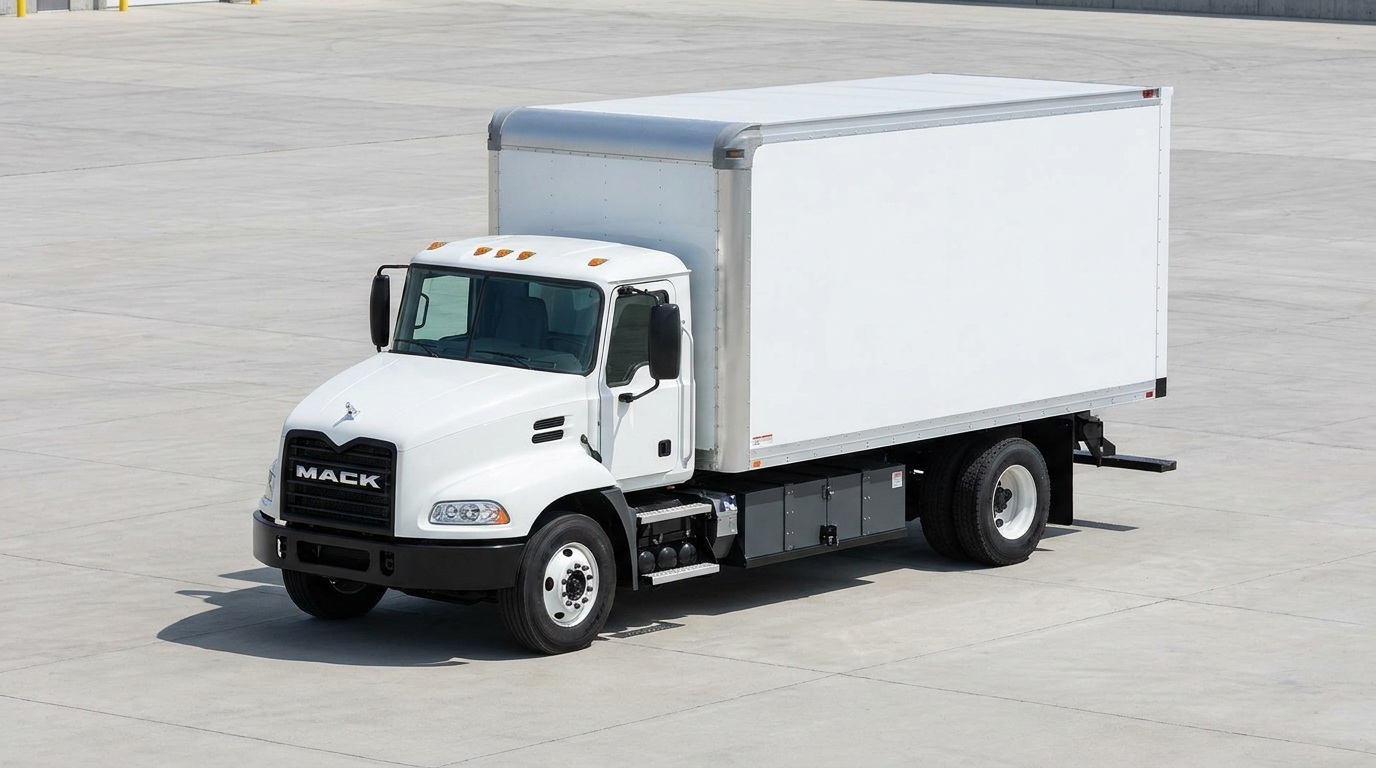
AI-generated editorial illustration; not a documentary photograph.
Mack recall 26V719, also identified as SC0502, covers 151 model-year 2024–2026 MD Electric trucks. The filing says a hill start assist message was enabled although these trucks lack that function. The remedy removes the inaccurate notification and supplies a manual correction. If your fleet operates this model, link the campaign to each vehicle's records and obtain current instructions from Mack or an authorized dealer.
Identify the electric model before opening a work order
Start with the actual vehicle identification number and the manufacturer's model information. Keep the electric unit distinct from a similarly named diesel truck in the same fleet. A driver may recognize the cab or dashboard and still need different guidance for the particular vehicle. Put the model, propulsion type and VIN together at the top of the inquiry. This helps the dealer answer a specific campaign question instead of discussing a broad model name.
Give the person arranging service a copy of the concern as it was observed. Record the message, the unit and when the driver saw it. Keep observations separate from assumptions about the installed equipment. A dashboard label can prompt a useful question, but the label alone does not establish what the truck can do. Ask the authorized contact to explain the applicable guidance for that VIN and document the answer with the vehicle's current instructions.
Keep a notification separate from completed work
Use a campaign record that shows what stage each unit has reached. Useful headings include identification checked, dealer contacted, appointment confirmed, work performed and completion evidence retained. A received notice belongs in the file, but it does not establish that the remedy has been completed. The record should show the next action and its owner. This is a practical tracking method for the fleet, rather than a legal determination about a particular vehicle.
An illustrative operator with two electric delivery trucks could receive one general message about the campaign. The useful follow-up is a separate inquiry for each VIN and a clear record of the dealer's response. Avoid giving the second truck the first truck's status just because they look alike. If one unit's information is incomplete, leave its task open until the responsible contact resolves it. Make that difference visible to whoever schedules the next delivery route.
Ask the dealer questions that support scheduling
When contacting the authorized provider, identify the campaign and vehicle, then ask what information is needed to arrange the remedy. Request the current procedure for booking, the expected scope and the instructions the fleet should follow while the matter is being resolved. Obtain availability directly. An announcement can identify an action to investigate without establishing a local appointment or an individual vehicle's release time. Keep those confirmations attached to the same vehicle record.
If the provider needs an additional check before confirming timing, assign someone to follow up and set a date. Record whether an appointment is provisional or confirmed. Avoid arranging a route around a service completion time that nobody has accepted. Where the fleet needs temporary equipment, have the responsible person assess the appropriate alternative. This article does not supply an operating workaround or instructions for using a truck whose condition needs clarification from the manufacturer.
Make the manual correction part of the handover
At completion, request a work order that identifies the vehicle and the campaign work performed. Ask the provider to identify the current manual correction and explain where the driver should find it. Preserve the relevant documents together so the next driver does not rely on an older description. A shared vehicle needs a clear way to pass updated information between shifts, particularly when different people arrange the appointment, collect the truck and assign its next job.
Review the handover with the person responsible for driver communication. Note the date, the document provided and any questions sent back to the dealer. Keep the communication factual: what was corrected, which instructions now apply and where those instructions are stored. Do not describe removal of a message as installation of a new assistance feature. The distinction matters when someone later describes the vehicle to a replacement driver or compares equipment across the fleet.
A compact campaign checklist
- Match the VIN to the MD Electric model information.
- Ask Mack or the authorized dealer about campaign SC0502.
- Record observations without treating the message as proof of a feature.
- Confirm the appointment and obtain current vehicle instructions.
- Keep the completed work order and manual correction together.
- Share the updated documents with the people assigning and operating the truck.
Keep related maintenance work separate on the service request. If a driver has also reported another concern, identify it as its own question so the campaign appointment does not silently become a diagnosis of everything on the truck. Ask the provider to distinguish the remedy from any additional evaluation or authorization. A clear invoice and work description give the fleet a better basis for following up than a single note that the truck visited the shop.
For route-service planning, the Truck Savers News directory can help identify businesses to contact; confirm capabilities directly. The recall remedy and vehicle-specific instructions should come from Mack or its authorized channel. Close the fleet's task with evidence for the particular truck, then preserve the corrected information where the next driver can find it.
Original source: NHTSA, Mack Part 573 recall report 26V719, October 29, 2026.