Kodiak Targets International LT Deployment for H2 2027
Kodiak targets the International LT for H2 2027. Check the proposed lane, support scope and milestones before a fleet decision.
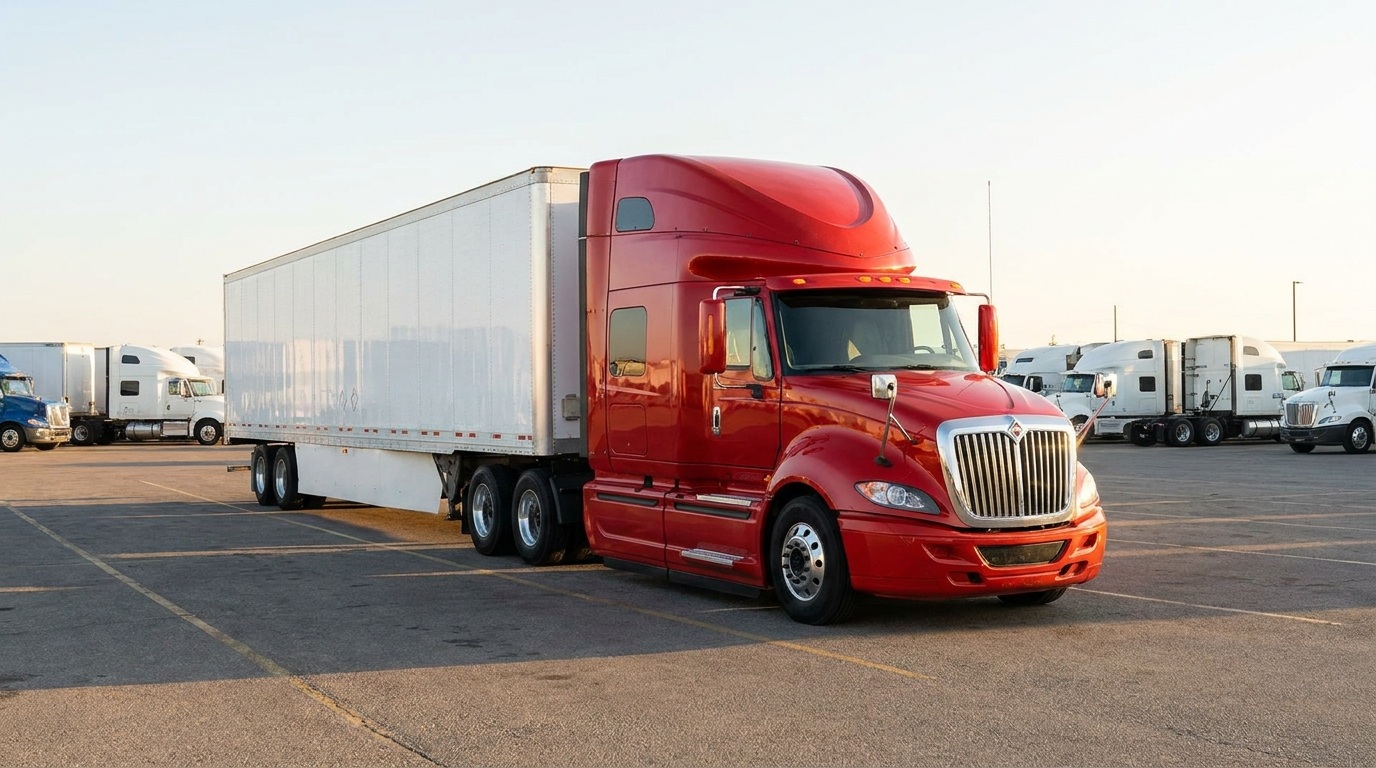
AI-generated editorial illustration of the base International LT; not a photograph of Kodiak integration or autonomous deployment.
Kodiak selected the International LT as its third truck platform, with integration underway and unsupervised autonomous deployments targeted for the second half of 2027. The company disclosed that timetable in its November 5 results. For a small fleet evaluating technology, the distinction to preserve is practical: a development target starts a supplier discussion; it does not confirm a truck, route or service package available for your operation today.
Put the platform and milestone in the same note
Begin a technology comparison with a specific product description. Record the truck platform, the system being discussed, the stated milestone and its source date. Keep the manufacturer's vehicle specification separate from the technology supplier's integration plan. This lets the person reviewing the file identify what each company has actually described. A familiar truck badge alone cannot answer which equipment, software or operating arrangement a proposal includes.
Ask the vendor to identify the stage of any offering being discussed with your business. Is it a development conversation, an evaluation, a proposed service or a confirmed order? Request the relevant documents and keep unanswered questions visible. These are useful categories for organizing a purchase inquiry; they are not labels assigned to every Kodiak customer. A fleet needs the terms of its own proposal before comparing it with equipment already available for inspection or delivery.
Start with the lane your business actually runs
Write a lane brief before requesting a demonstration. Identify origin and destination facilities, the freight task, the schedule and who controls access at each end. Add known handoff points and the people who can confirm site requirements. Leave private shipment details in the approved business channel. A route name is a useful starting point, but a real operating plan needs the specific tasks that connect the road movement with the customer's work.
Then ask the provider to explain the scope it proposes for that lane. Have the responsible parties identify assumptions, dependencies and questions that remain unresolved. Keep the response attached to the same version of the lane brief. If the freight task changes, revisit the proposal rather than assuming the original answer extends to every variation. This review organizes the commercial conversation without asserting a technical capability, permission or geographic coverage that has not been verified for the proposal.
Give maintenance and support their own questions
A familiar chassis does not settle support responsibilities for added technology. Ask the parties to identify who handles the base vehicle, the integrated equipment, software support and an issue discovered during a trip. Request the process for reporting a concern and the documents the provider expects the fleet to retain. Write down the boundaries in the agreement. The useful result is a named contact and a clear scope, rather than an assumption that any existing repair relationship covers the complete system.
Include service access and equipment availability in the discussion. Ask what happens when scheduled work or an unresolved concern affects a planned movement. Have the provider describe the applicable support arrangement in writing. This article offers purchasing questions, not a maintenance procedure for autonomous equipment. Technical work, operating instructions and the decision to release a vehicle belong with the appropriately qualified and authorized parties for that system and operating arrangement.
Compare a proposal against a measured current job
Build a baseline from a real lane your business understands. Record the work performed, invoiced charges, waiting time and other costs you can actually substantiate. Label estimates separately from observed figures. When a vendor supplies a projection, preserve its assumptions and the period it covers. Comparing a proposed service with an inconsistent baseline can make a percentage look more informative than the underlying evidence supports. A documented baseline gives the discussion a question someone can answer.
If an evaluation is agreed, decide in advance which outcomes will be recorded and who will verify them. Include cases where the original arrangement remains preferable or a question is unresolved. Keep the measurement tied to the work actually completed. A demonstration, a planned deployment and a paid shipment are different records. None should silently stand in for another when the team decides whether a proposal meets the fleet's requirements or needs further review.
Use milestones without turning them into delivery promises
Attach a review date to the supplier file and identify what new evidence would justify the next step. That could be a more specific proposal, confirmed support terms or a completed evaluation relevant to the lane. Record what changed between reviews. An announced future window can guide when to ask again, while the purchase decision remains connected to current evidence. Avoid building a committed delivery schedule around a target that has not become your confirmed contractual arrangement.
- Record the truck platform, integration stage and source date.
- Prepare a lane brief with facility and handoff requirements.
- Ask who owns each vehicle and technology support task.
- Compare terms with a documented current operating baseline.
- Define what an evaluation will measure before it begins.
- Revisit the proposal when a relevant milestone is verified.
For ordinary route-service research alongside a lane review, use the Truck Savers News directory to identify providers to contact. Confirm scope and availability directly; a listing does not establish support for autonomous equipment. The useful takeaway from the International LT announcement is a specific future integration milestone and a better set of questions for the companies responsible for offering it.
Original source: Kodiak AI, Q3 2026 results, November 5, 2026.