Insurance Premiums Surge 18% for Owner-Operators in 2026
Insurance premiums for owner-operators and small trucking fleets are rising in 2026 as nuclear verdicts, stricter underwriting and safety records reshape operating costs.
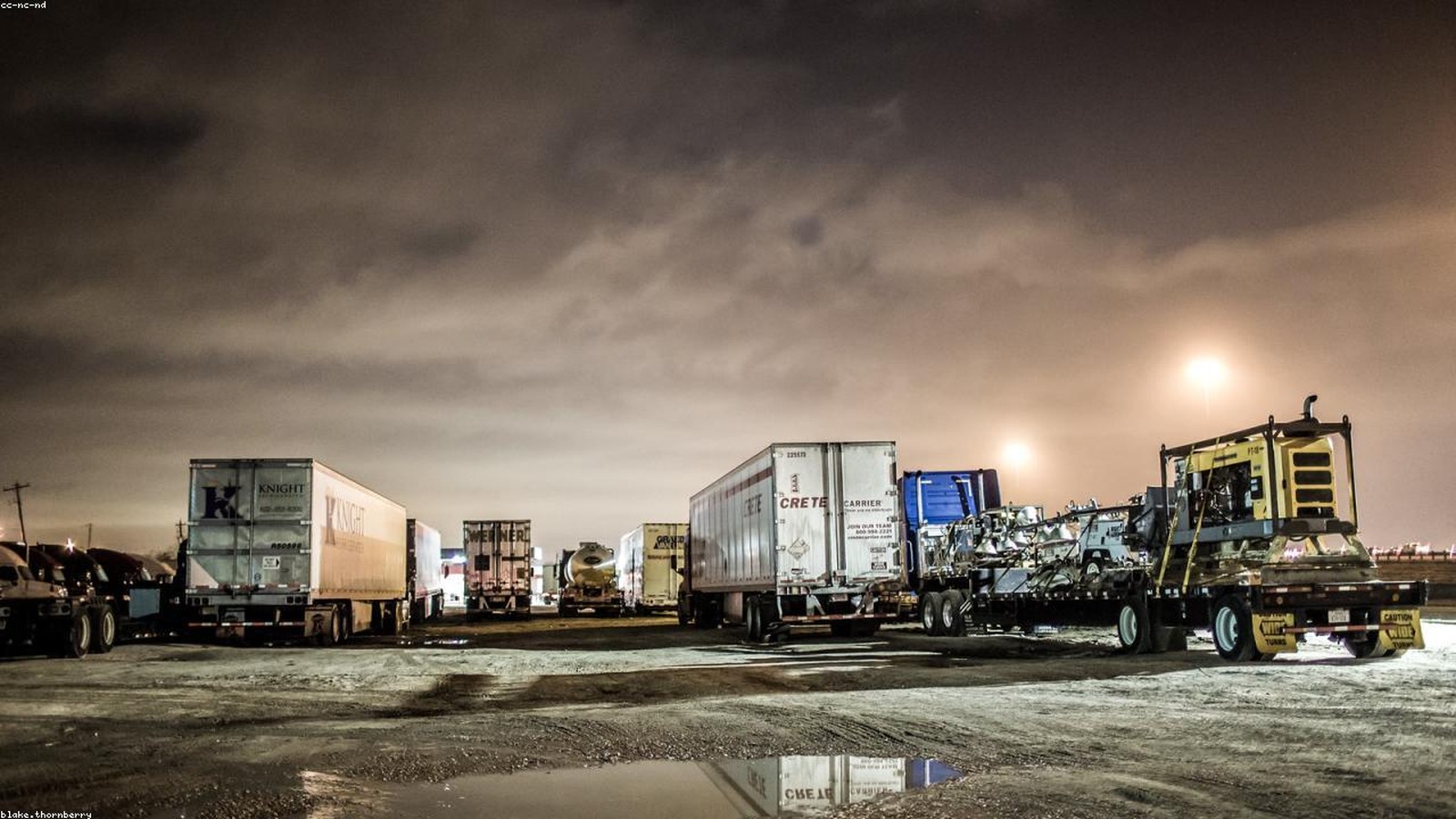
Insurance premiums for owner-operators are rising sharply in 2026, and the increase is changing the way small trucking businesses calculate profit. Reports from industry groups point to double-digit premium increases for many independent drivers, especially those with recent claims, violations or limited operating history.
The cost of commercial truck insurance has always been a major line item, but the current cycle is different because insurers are tightening underwriting at the same time that repair costs, medical claims and court awards remain elevated. For a one-truck business, even a few hundred dollars more per month can change which loads make sense.
Nuclear verdicts are affecting everyone
Large jury awards in commercial vehicle accidents continue to influence the insurance market. Even safe drivers who have never been involved in a major claim can feel the effect because carriers price risk across the entire sector. When insurers see higher exposure, they raise rates, add exclusions or leave certain segments.
Small fleets are hit hardest because they have less negotiating power and fewer vehicles to spread the cost. A fleet with two or three trucks may face the same underwriting scrutiny as a larger carrier, but without the same administrative staff or safety department.
Clean inspections now have financial value
Insurance companies are paying close attention to DOT inspections, CSA scores, driver history and maintenance records. A clean inspection record can help a carrier look safer and more organized. Repeated violations, even minor ones, can make renewals harder and more expensive.
This is where maintenance and documentation matter. Truck Savers is relevant when the topic is insurance because preventive service, proper repairs and inspection readiness can support a cleaner safety profile. Brakes, tires, lights, suspension, steering, emissions systems and documentation all influence how a truck performs during roadside inspections.
Technology can help, but it is not a magic fix
Dash cameras, telematics, speed monitoring and driver coaching systems are becoming more common because they help defend claims and demonstrate safety practices. Some insurers may offer better terms when fleets can show consistent monitoring and documented training.
However, technology cannot replace basic maintenance or responsible operations. A camera may explain what happened in a crash, but it cannot fix worn tires, weak brakes or a neglected inspection item. The strongest insurance strategy combines safe driving, clean records, preventive maintenance and accurate paperwork.
How owner-operators can respond
Before renewal season, drivers should request loss runs, review inspection history, correct maintenance issues and compare quotes from agents who specialize in trucking. It is also important to understand deductibles, cargo limits, physical damage coverage and exclusions before choosing the cheapest policy.
Owner-operators should also calculate insurance as part of true cost per mile. If insurance rises 18%, a rate that worked last year may no longer cover the business. Freight pricing, lanes and customer mix may need adjustment.
Bottom line
Higher insurance premiums are not just paperwork. They are a direct threat to small-fleet profitability. Operators who maintain equipment, document repairs, protect safety records and shop coverage early will be better positioned in a tougher market.
SEO keywords: truck insurance, owner-operator insurance premiums, commercial truck safety, DOT inspection, Truck Savers, small fleet costs.