Illinois Driver Pay Case Expands to Collective Action
A federal judge allowed more drivers to join a pay and classification dispute involving Risinger, putting lease deductions and work control under closer review.
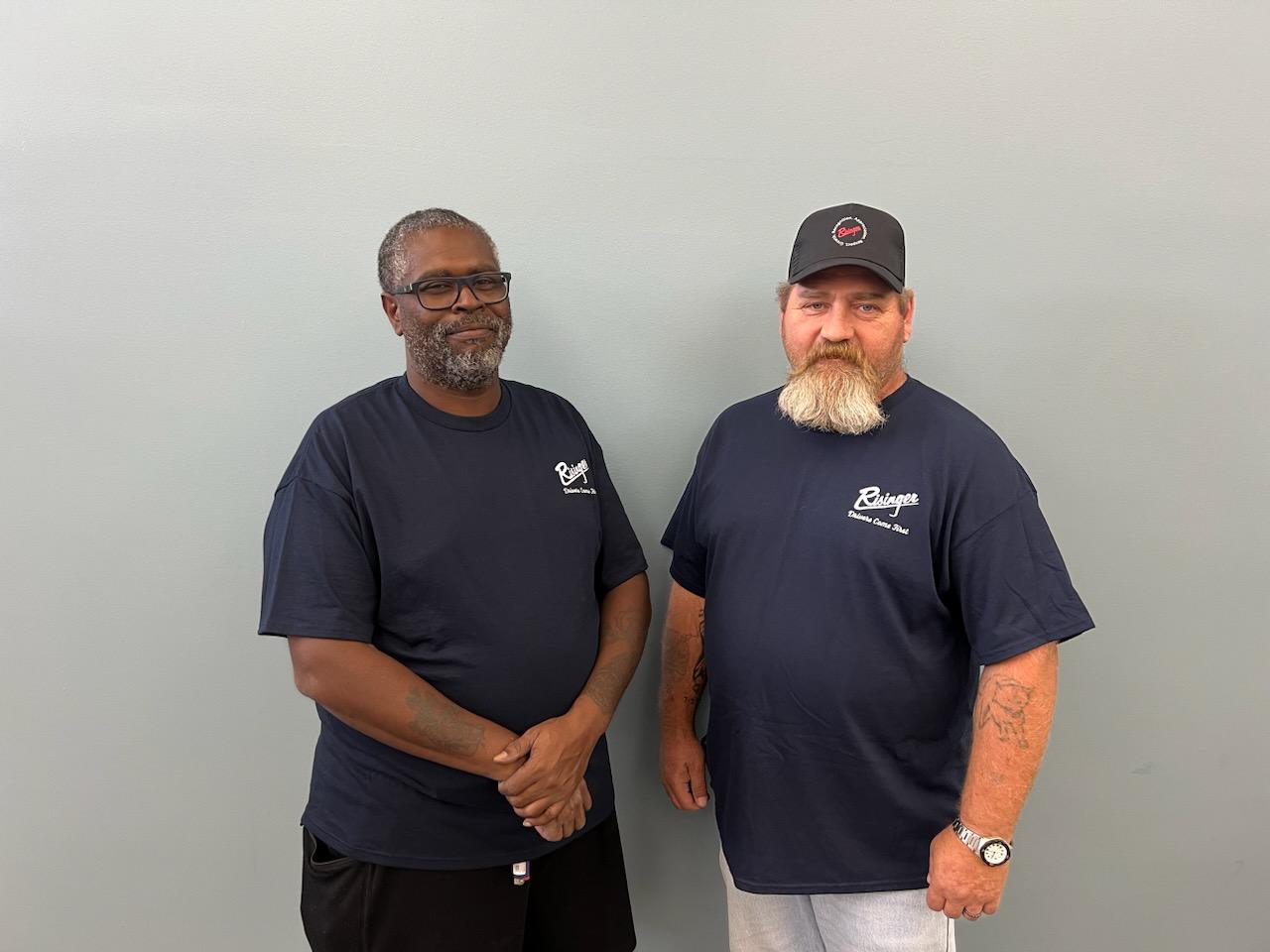
A federal judge in Illinois has allowed a driver pay dispute involving Risinger Bros. Transfer Inc. to move forward on a collective basis under the Fair Labor Standards Act. The order creates a path for additional drivers who worked under similar arrangements to receive notice and potentially join the case. It does not decide that the carrier violated the law, and it does not determine that every contractor in the proposed group was actually an employee.
What changed in the case
The dispute began with two drivers, led by Michael Contreras, who allege that they were labeled independent contractors while the carrier exercised the kind of control normally associated with employment. Their claims focus on minimum wage and deductions from driver settlements. The judge concluded that they had presented enough early evidence to satisfy the relatively modest standard required at this stage and permit collective notice.
That procedural distinction matters. The court has not ruled on whether the allegations are true, how much any driver might be owed, or whether Risinger’s different contractor arrangements should ultimately be treated alike. Those questions remain contested. Risinger has argued that the proposed group combines drivers whose operations differ in important ways, including lease-purchase drivers, owner-operators, team drivers, third-party carrier drivers, one-way carrier drivers and brokerage carrier drivers.
The core question: control versus independence
The drivers say their written agreements called them contractors, but the practical relationship looked different. Among the facts cited in the case are operating under the carrier’s logo and USDOT number, receiving loads from a company dispatcher, meeting set delivery windows and being paid at an established per-mile rate. The complaint also challenges deductions for truck payments, insurance, fuel and a maintenance escrow account.
One allegation describes a 20-hour workweek in November 2024 that produced no net pay after deductions. That claim has not been proven, but it illustrates the accounting issue at the center of the dispute: whether required costs pushed compensation below the federal minimum wage when all compensable hours were considered.
The carrier’s public federal record shows the scale of the operation. As of July 12, 2026, the Federal Motor Carrier Safety Administration listed Risinger as an active interstate carrier and property broker based in Morton, Illinois, with 337 power units and 286 drivers. Its latest filing reported more than 29.3 million miles traveled in 2025. Those figures do not prove either side’s legal position; they simply show why a collective case could affect a meaningful number of working drivers and a sizable fleet operation.
Why owner-operators should pay attention
A contractor label by itself does not settle classification. Courts examine the real economic relationship, including who controls schedules, loads and work methods; whether the driver can make independent business decisions; who supplies equipment; how profit or loss is created; and whether the relationship is permanent or tied to a distinct service. The applicable test can vary by claim and jurisdiction.
For an owner-operator or lease-purchase driver, the immediate lesson is financial documentation. A strong week at a good gross rate can still turn into weak net compensation after fuel, insurance, equipment, escrow and administrative deductions. Drivers should be able to reconcile every line of a settlement statement with the signed agreement and their own receipts. Unexplained charges should be questioned in writing while records are still available.
Small fleets also have exposure. If a business calls a driver an independent contractor but manages that person like an employee, the company may face wage claims, tax issues and added legal expense. Clear contracts help, but day-to-day operating practices matter more than labels. Dispatch policies, refusal rights, equipment requirements and deduction authorization should match the business relationship described on paper.
What drivers should review now
- Save contracts, addenda, settlement statements, rate confirmations, fuel receipts and escrow records.
- Track all working time, including required waiting, inspections, paperwork and dispatch communications.
- Compare every deduction with the agreement and request a written explanation for anything unclear.
- Document whether loads can be refused, whether outside work is permitted and who controls delivery methods.
- Ask a qualified wage-and-hour attorney or worker advocate about deadlines before joining any case or filing a claim.
Drivers looking at a purchase, maintenance or operating-cost decision can also use The Truck Savers as a practical starting point for keeping equipment expenses visible instead of letting them disappear inside a weekly settlement.
What happens next
The next phase is expected to address notice to potentially eligible drivers and the boundaries of the collective group. Risinger can continue challenging whether the drivers are similarly situated and whether specific categories should be separated. Evidence about hours, deductions, control and individual operating arrangements will become more important as the case develops.
For drivers, the most useful response is not to assume that the ruling guarantees payment or that every contractor arrangement is unlawful. It is to know the agreement, preserve the numbers and understand who actually controls the business. A contractor relationship should provide real room to manage risk and opportunity—not only a different label on the same work.
Original source(s)
FreightWaves report on the federal court order; FMCSA SAFER company snapshot for USDOT 244981; Risinger Transportation company information.