Idle Reduction: Match the Current EPA Entry
Idle-reduction equipment has different EPA categories. Match the proposed model and current status before relying on a listing.
An idle-reduction claim should identify the equipment being offered, the function it provides and the current record supporting it. EPA separates several technology categories and maintains both an active SmartWay list and a formerly verified list. For an owner-operator comparing cab-comfort equipment, that makes the first useful question more specific than whether a familiar brand appears somewhere on a government page. Establish which entry relates to the actual offer before treating the document as purchasing evidence.
Different systems answer different needs
The agency describes auxiliary power units and generator sets, fuel-operated heaters, battery air-conditioning systems, thermal storage systems and electrified parking or truck-stop electrification. These are different approaches, including equipment on the vehicle and services available at a location. A product description should establish which approach is being offered. A buyer wanting cooling should not infer that capability from a description limited to heating, or assume off-board infrastructure will accompany a vehicle purchase.
Imagine a hypothetical operator comparing a heater offer with a system intended to provide cooling during a stop. Put the required function into the comparison before looking at program terminology. Ask the supplier to identify what the proposed equipment actually provides and what additional components it needs. That is a documentation request, not a claim that either option is suitable for the reader's truck.
Read the vehicle scope of the table
EPA's active table describes verified technologies for long-haul Class 8 trucks with sleeper cabs; its scope also includes fuel-operated heaters for school buses. It provides technology type, application, company and model information. The vehicle application is therefore part of the record to read, rather than a detail to omit. A table entry cannot, by itself, establish mounting space, electrical integration or the complete installation scope for a specific tractor.
Ask for the manufacturer's installation and application information for the proposed configuration. Keep that material separate from the program-list match so the reviewer can see which question each document answers. This article provides no wiring instructions, mounting procedure, compatibility determination or approval of any photographed truck's equipment. Those require the responsible manufacturer's information and a qualified assessment of the actual vehicle.
Check active and former status separately
The formerly verified page identifies products that are no longer SmartWay verified and supplies reasons for changes. Its historical rows include changes of ownership, renamed equipment and products no longer manufactured. Read the relevant explanation instead of turning the page heading into an unsupported allegation about product quality. Conversely, do not present an old verification record as proof of the current status of a newly offered model.
For existing equipment, start with the available identifying label and purchase or installation documents. If a name has changed, ask the supplier to document the connection rather than assuming similar names mean the same model. Record exactly what remains uncertain: model identity, company history, application or current list status. An unresolved identity should stay unresolved until supporting evidence makes the comparison clear.
Build a comparison that another person can read
Use one row per actual offer, with the supplier's written model name, required function, included components, relevant official entry and the date checked. Add a place for installation and service questions. This is an editorial purchasing aid, not an EPA form or a certification. Retain the original quotation and the dated source reference so a colleague can understand how the comparison was made.
If a quotation only says “APU,” ask for a more precise written description before filling in the remaining fields. Avoid copying the details of a different model to make the row look complete. If two offers use different approaches, compare the functions and scope honestly instead of forcing them into the same assumed package. A clear unanswered question is a useful result of the review.
Keep savings and operating evidence separate
EPA explains that reducing long-duration main-engine idling can reduce fuel use and emissions, and recognizes both behavioral measures and alternative technologies. That general purpose does not establish a fuel-saving percentage or payback for a particular owner-operator. Ask what operating assumptions support a supplier's numerical claim. Do not transfer a general program benefit into a measured result for your own routes and rest periods.
After installation, any evaluation should identify the actual equipment and the circumstances being compared. Before purchase, the immediate goal is simpler: know what is included and which questions remain. A list match is useful supporting information, but it cannot replace a documented understanding of the vehicle application and the work being proposed. This guide offers no equipment price or guaranteed financial outcome.
Approve the next step only after identifying the offer
- Write down the required heating, cooling or power function.
- Identify the technology category and exact offered model.
- Read the application and current or former status.
- Keep installation suitability separate from list matching.
- Request written answers to unresolved scope questions.
- Preserve the source date and the supplier's supporting information.
The preventive decision is to make the offer traceable before relying on it. Neither the archive photograph nor a recognizable logo verifies a model or its condition. Continue reviewing practical equipment decisions at Truck Savers News.
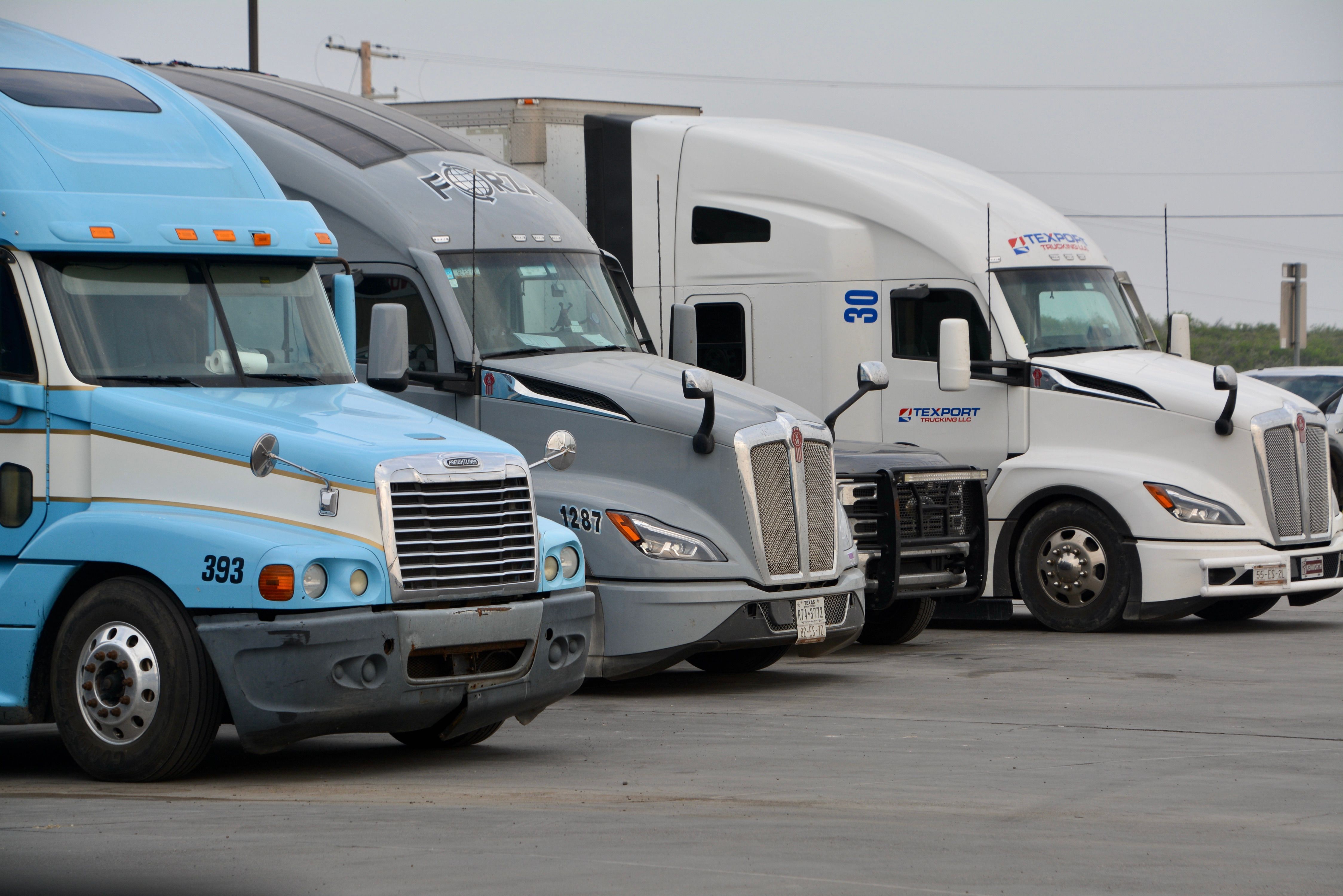
Illustrative parked-truck photograph from Eagle Pass, Texas; no equipment verification or carrier endorsement implied. Becka H, Pexels; Pexels License. Unchanged.
Original source: EPA — idling reduction technologies, reviewed October 12, 2026.