How Trucking Regulations Are Converging to Reshape the Industry’s Future - Arkansas Business
Trucking regulations are converging across safety, emissions, technology and compliance, creating a future where small carriers need cleaner records and sharper planning.
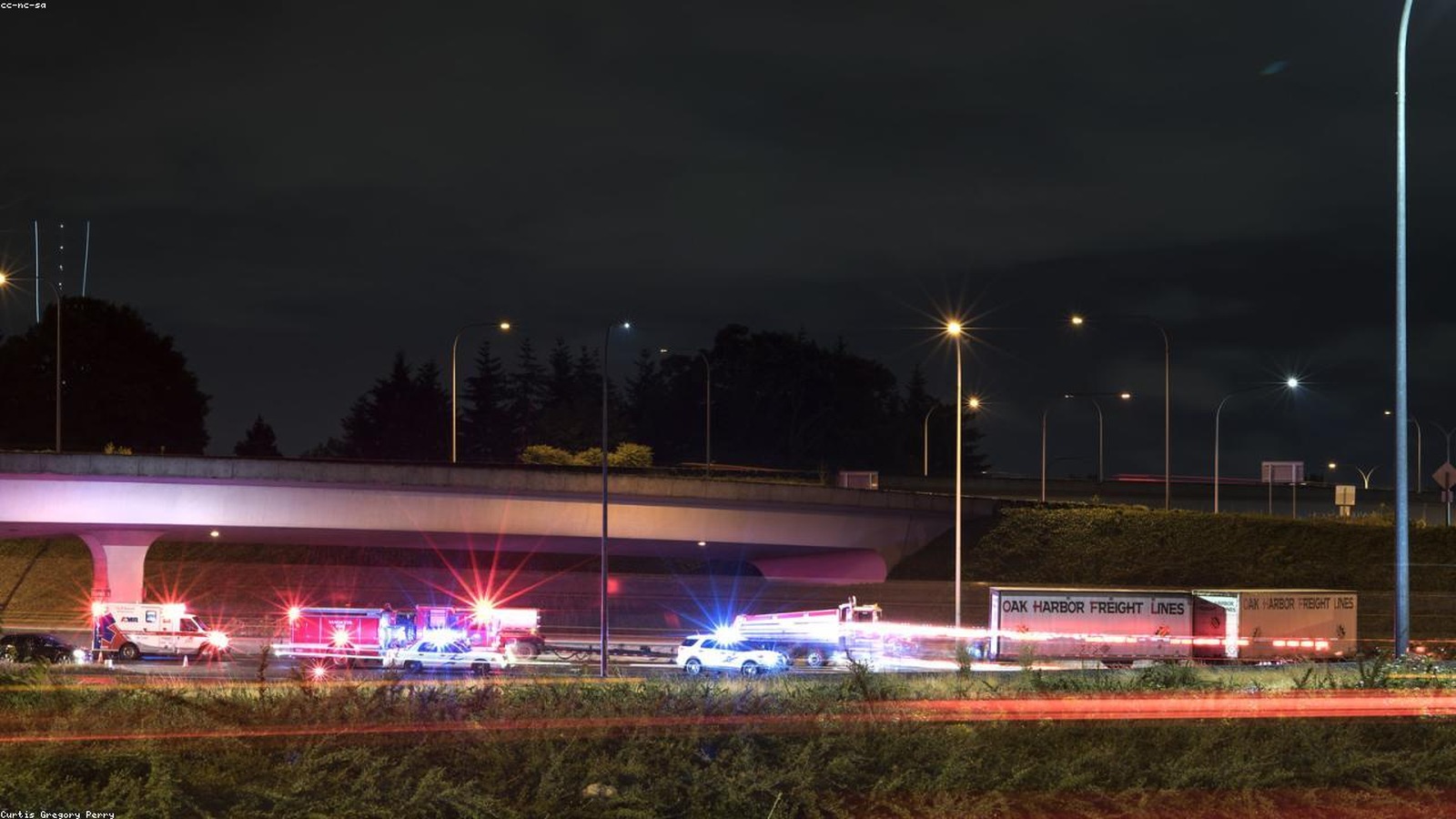
The future of trucking regulation is not one big rule. It is several rules arriving from different directions at the same time. Safety, emissions, technology, insurance and driver compliance are starting to overlap.
Arkansas Business points to this convergence in its industry overview, and the practical message for operators is clear: the carrier with messy records will have a harder time than the carrier that can prove what it is doing.
Why rules feel heavier now
A fleet may deal with FMCSA compliance, emissions requirements, insurance underwriting, electronic records, driver qualification files and customer safety standards all in the same month. None of those pieces lives alone anymore.
How this affects a small carrier
Small fleets do not have large compliance departments. That means the owner, dispatcher or office manager often carries the responsibility. Missing maintenance records, expired documents, weak driver files or unclear policies can become expensive during audits, renewals or roadside inspections.
What operators should clean up first
Start with the basics: driver files, inspection reports, repair invoices, insurance documents, permits, ELD procedures and maintenance schedules. If you cannot find the document quickly, it is not organized enough.
The cheapest compliance plan is consistency
Compliance gets expensive when it becomes a last-minute cleanup. Waiting until renewal, audit season or a roadside problem forces the business to search for documents under pressure. A weekly routine costs less: scan invoices, update driver files, confirm inspections and note repairs by unit.
Drivers can help by reporting defects clearly instead of waiting for the next PM. A small note about vibration, lights, regen behavior or brake feel can become the record that shows the company acted before the problem became a violation.
Bottom line
Regulation is not only about avoiding fines. It affects insurance, customer trust, roadside inspection outcomes and whether a truck stays working. The carriers that treat compliance like daily maintenance will be better prepared for the next wave of rules.
Practical maintenance note: clean repair and inspection records can protect you during audits and insurance conversations. For service and documentation support, visit Truck Savers.