How to Find Legal Truck Parking Before Your Clock Runs Out
Find legal truck parking before your hours run out by checking rules, backup stops, access and exit conditions early—not at the end of your clock.
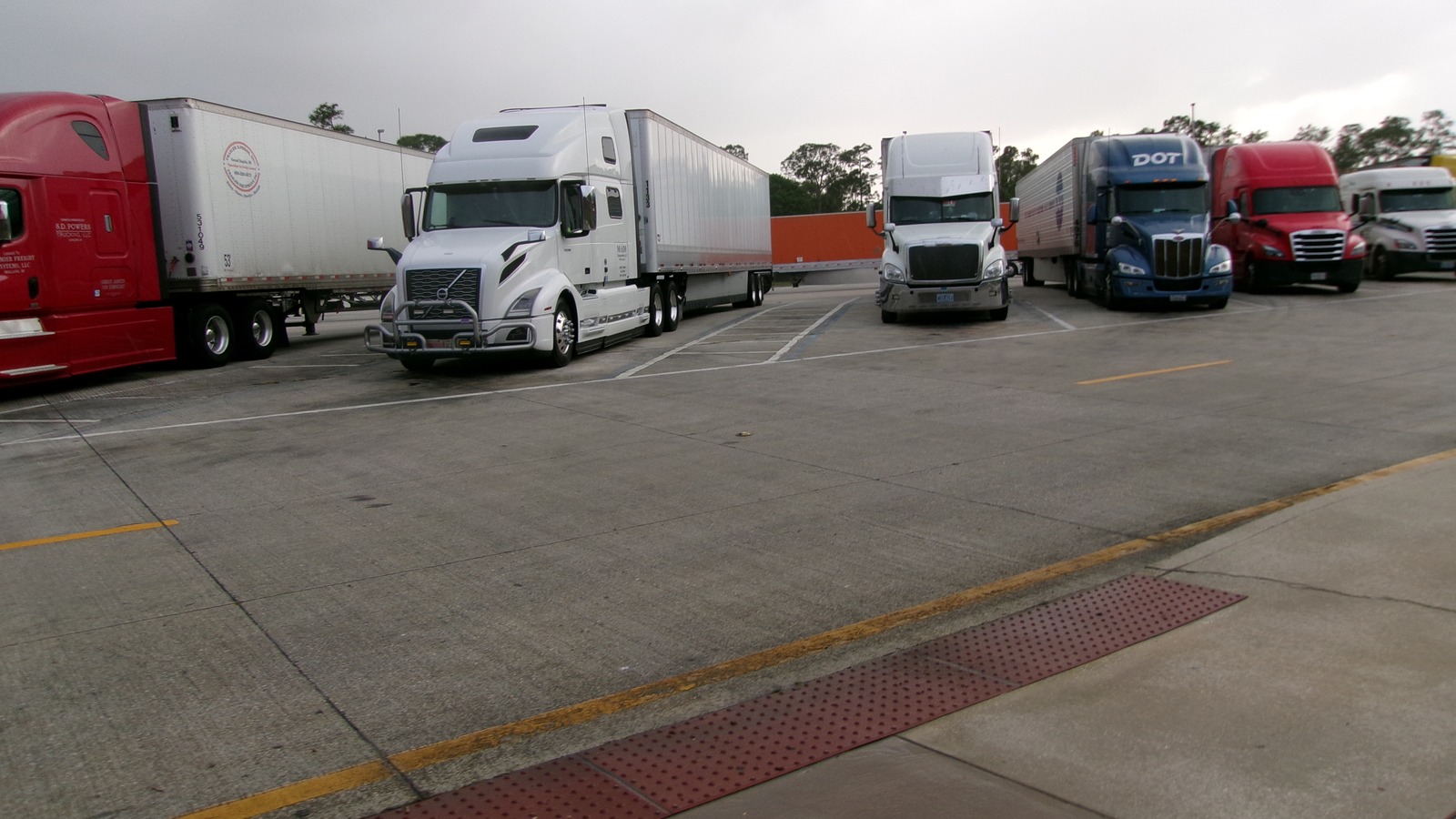
Truck parking becomes an operating decision long before the ELD clock turns red. Owner-operators and small fleets need a permitted place that fits the truck, allows the required break and leaves a safe way back to the route. Waiting until the final minutes can turn a normal stop into extra fuel, lost time or a risky search.
By Redacción Truck Savers News
What changed?
No single new rule suddenly created the parking problem. The important change for operators is that parking demand, freight traffic and delivery-window pressure keep making last-minute planning less reliable. Public spaces, commercial truck stops, staging areas and customer lots do not follow one national availability system. A location shown on a map can be full, closed, time-limited, reserved or unsuitable for the combination you are driving.
The practical answer is to treat parking like fuel: identify a primary stop, a backup and the decision point at which you will leave the route for either one. That decision point must come before the remaining legal driving time becomes the only factor.
Know what the clock does—and does not—tell you
For most property-carrying drivers under the federal rule, driving is limited to 11 hours inside a 14-consecutive-hour window after 10 consecutive hours off duty. Driving is also generally not permitted after more than eight hours of driving time without a qualifying consecutive 30-minute interruption. Exceptions and other provisions can apply, so the carrier and driver must know which rule set covers the trip.
The ELD records time; it does not guarantee an open space. It also does not decide whether a shoulder, ramp, vacant lot or business property allows truck parking. Signs, state or local rules, facility limits, private-property terms and law-enforcement instructions control the location. A space that looks physically possible is not automatically a permitted or safe place to complete a break.
Build a two-stop plan before the busy corridor
Choose the first stop while there is still enough time to reach the second without rushing. Check the facility's official listing or current information for truck spaces, hours, maximum stay, reservations, paid areas, security, restrooms and overnight access. Call when the information is unclear. User reports can help reveal patterns, but they should not replace posted rules or confirmation from the operator.
Look beyond miles. A stop on the wrong side of a divided highway, a route with a low-clearance approach, a tight entrance, construction or a no-return gate can consume the remaining clock. Confirm that the tractor-trailer can enter, turn, park and leave without blocking fire lanes, fuel islands, loading zones or another driver's path.
Parking affects cost, safety and the next dispatch
A long search burns fuel and available time without moving the load toward delivery. It can also shorten sleep if the driver spends the beginning of the break repositioning or waiting for a spot. For a small fleet, one poor parking decision can create a late appointment, a missed reload or an avoidable out-of-route charge.
Dispatch should not pressure a driver to use an unsafe location or keep searching after driving time is exhausted. A better process records common parking points by lane, notes the time they usually fill and gives the driver authority to stop earlier when weather, events, construction or a delayed customer changes the plan.
What the road hero should check
- Available driving time, the 14-hour window and the break that is actually due.
- A primary legal stop and at least one reachable backup.
- Posted time limits, fees, reservations and overnight restrictions.
- Truck entrance, turning room, pavement, lighting and a clear exit path.
- Low-clearance, weight, construction or weather issues on the approach.
- Locks, lights, tires, brakes, fluid leaks and load security before resting.
- The next pickup, delivery window and enough time to leave without rushing.
Quick answers for owner-operators
Who is affected? Any driver who needs a compliant break away from a terminal, especially long-haul and irregular-route operators entering busy freight corridors.
When should the search begin? Before the last hour becomes the plan. The exact buffer depends on the corridor, traffic, weather, time of day and verified alternatives.
Is every rest area an overnight option? No. Hours and parking-duration rules vary. Read the signs and verify the facility.
How does this affect costs? Poor planning can add fuel, tolls, out-of-route miles, paid parking, detention exposure and lost appointment time. The article does not assume a fixed savings amount because every lane is different.
What should a carrier do? Build lane-level parking notes, avoid dispatch plans that depend on the final minutes and let drivers stop earlier when the verified backup is disappearing.
Use the Finder as a corridor backup tool
If a parking change also creates a maintenance need, use the Truck Saver Finder repair-shop directory to identify nearby truck-service options before leaving the safe stop. Verify hours, truck access and service directly with the business before moving.
Bottom line
Legal truck parking is not something to solve with the last few minutes on the clock. Plan two verified options, read the local rules and stop while you still control the decision. The road does not forgive a plan that begins after the safe choices are gone.
Original sources
Federal Highway Administration: Truck Parking; 49 CFR 395.3: Maximum driving time for property-carrying vehicles. Hero photo: DanTD, Wikimedia Commons, CC BY 4.0.
