How to Choose a Semi-Truck Repair Shop on the Road
A roadside repair decision can affect safety, uptime, and the final invoice. Use this checklist to compare a semi-truck shop before authorizing work.
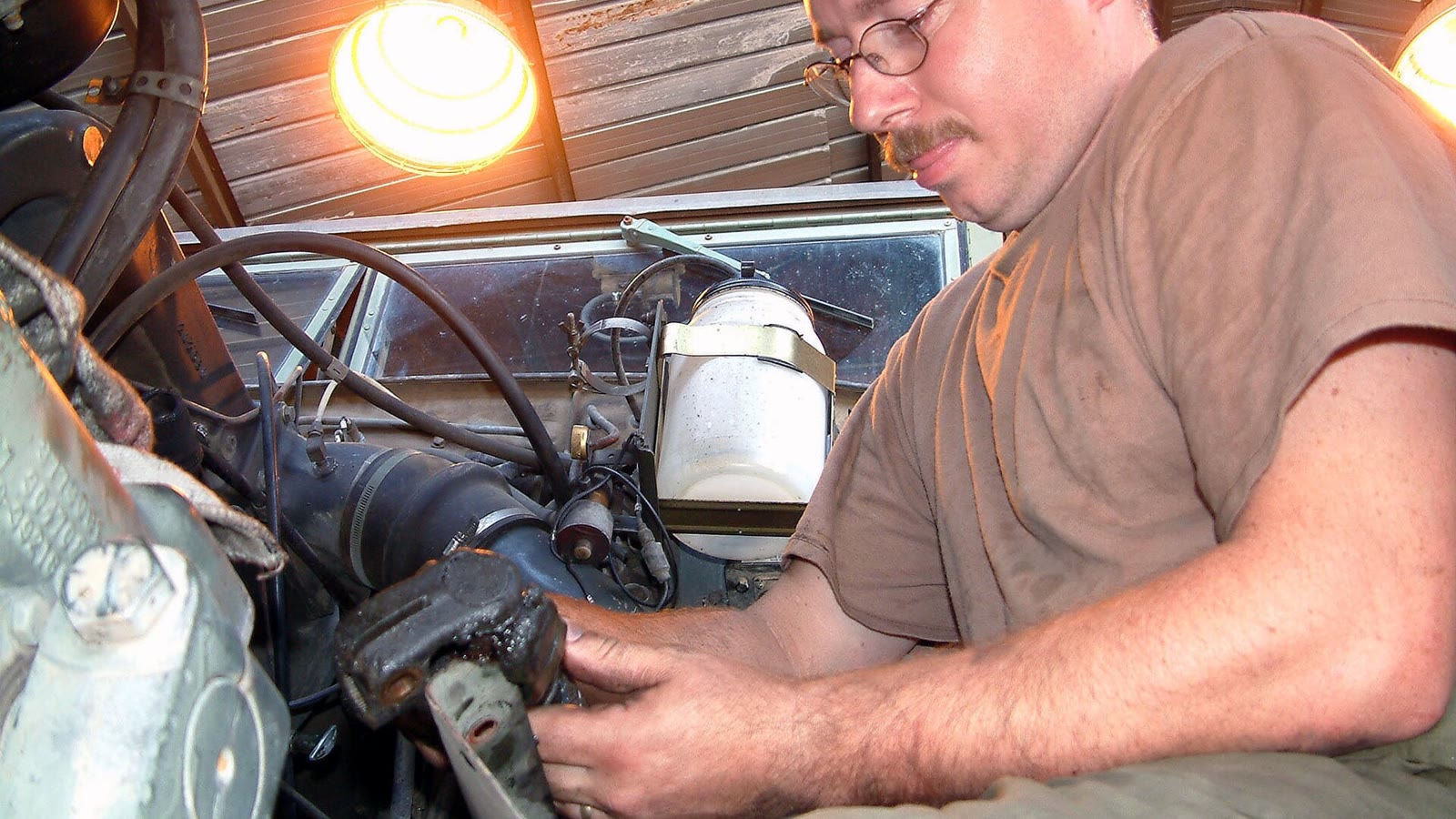
HOUSTON — When a warning light, vibration, leak, or brake concern appears far from the home terminal, the first available repair bay can feel like the only option. It is not. A short, disciplined screening process can help an owner-operator choose a shop that fits the truck, the job, and the urgency without confusing a quick guess for a verified diagnosis.
The goal is not to find the cheapest posted labor rate. The goal is to understand what the shop can test, what it proposes to repair, how authorization changes will be handled, and what documentation will leave with the truck.
1. Make the complaint specific before calling
Start with the symptom, not your conclusion. Tell the service writer what the truck is doing, when it began, and under which conditions it appears. Useful details include vehicle speed, engine load, road surface, weather, whether the trailer is loaded, recent repairs, warning messages, unusual sounds, and whether the issue changes during braking or acceleration.
For example, “the steering wheel shakes between 55 and 65 mph after a tire change” gives a technician more useful direction than “it needs an alignment.” A clear complaint also makes it easier to compare what multiple shops recommend.
2. Confirm that the shop fits the unit and the job
Before arranging a tow or leaving the highway, ask whether the location routinely handles Class 8 tractors, the trailer type, and the affected system. A shop may be excellent at tires but lack the bay space, scan tools, alignment equipment, brake capability, or parts access required for another repair.
- Can the bay accept the tractor and trailer together, or must they be separated?
- Does the shop diagnose the affected system in-house?
- Is mobile or roadside service available, and what work can safely be completed there?
- Are needed parts available today, transferable from another location, or subject to an order?
- What is the realistic inspection window before a technician can begin?
If the issue involves an auxiliary power unit, a specialized resource such as Go Green APU may be more relevant than a general truck shop. Match the provider to the system instead of assuming every diesel facility performs every service.
3. Ask for a written diagnostic scope
A good work order separates the customer complaint, diagnostic steps, findings, and recommended repair. Before parts come off, ask for the diagnostic charge, labor rate, estimated time, parts options, core charges, shop supplies, towing or call-out charges, and any storage policy that could apply.
Set an authorization limit in writing. If the shop discovers additional damage, it should pause, explain the new finding, show supporting evidence when practical, and obtain approval before exceeding that limit. An estimate can change after disassembly, but the process for approving a change should not be vague.
4. Check identity, records, and warranty terms
Confirm the business name, physical address, phone number, and person responsible for the work order. The document should identify the truck by unit number and VIN or at least the last six VIN characters. It should also record mileage, the original complaint, test results, part numbers, labor operations, and the final correction.
Ask whether the warranty covers parts, labor, or both; how long it lasts; where a claim can be handled; and what exclusions apply. Online reviews can reveal patterns, but they are not a substitute for a written scope, verifiable contact information, and specific warranty language.
5. Separate diagnosis from replacement by assumption
Many truck symptoms can have more than one cause. A pull may involve tire pressure, brake drag, alignment, suspension wear, or road crown. A vibration may come from tires, wheels, driveline components, mounts, or another rotating assembly. A low-voltage complaint may involve batteries, cables, charging output, or parasitic draw.
Ask what was inspected or measured and what result supports the recommendation. That does not require arguing with the technician. It requires connecting the proposed repair to evidence. Photos, scan reports, tread readings, alignment measurements, pressure readings, or a clearly demonstrated failed part can make the decision easier to understand later.
What should an owner-operator ask before authorizing work?
Ask five direct questions: What did you verify? What repair are you proposing? What is the current total before tax? What could change that total? What parts-and-labor warranty will appear on the invoice? If the answers are unclear, request a written update before approval.
What the road hero should check
When the truck is in a safe location, complete a walk-around before and after service. Do not crawl under a vehicle on the shoulder or enter traffic lanes to inspect it.
- Look for tire damage, uneven inflation, loose hardware, and fresh fluid leaks.
- Check visible suspension, steering, and wheel-end areas for anything disturbed during service.
- Verify lights, warning indicators, fluid levels, and air-pressure recovery as applicable.
- Confirm removed parts were replaced, shields and covers are secured, and tools are not left in the bay or on the chassis.
- Review the route, weather, load, and nearest safe place to stop if the symptom returns.
Use Truck Saver Finder to compare nearby options
Open Truck Saver Finder and search by service, city, or freight corridor. Treat the directory as a discovery tool: call the business, confirm current capabilities and hours, and document the scope before sending the truck. If your route reaches a market served by The Truck Savers, review the location and service details directly.
Original source
Maintenance responsibility and safe-operating-condition context: Electronic Code of Federal Regulations, 49 CFR Part 396. Hero photo: U.S. Navy via Wikimedia Commons, public domain.