High Winds: Match the Truck to the Route Review
High winds call for a vehicle-specific route review. Check local guidance and road restrictions before deciding on departure.
A forecast containing a wind number is not permission to send every truck through the same route. Before departure, connect the local weather guidance with the assigned equipment and the road information for the actual trip. For a small fleet, the useful preparation is to make those checks and the responsible decision visible. A screenshot of a forecast alone leaves too much of that work unrecorded.
The vehicle matters to the wind review
The National Weather Service's high-wind guidance specifically highlights high-profile vehicles, including trucks, buses and vehicles towing trailers. It advises following local updates and describes protective actions during strong wind conditions. Those points make the assigned vehicle relevant to the planning discussion. They do not establish a universal safe wind speed, load weight or travel speed for your combination.
This is an evergreen preparation guide, not a report of a current warning or permission to travel today. Obtain the actual local message and follow applicable road restrictions and fleet procedures. The article does not calculate vehicle stability or approve a bridge crossing. If the responsible person cannot resolve a trip-specific question, keep it open rather than turning a general forecast into an authorization.
Write down which equipment is being reviewed
Start the dispatch discussion with the tractor and trailer actually assigned. Include the equipment description and relevant loading information already documented for the trip. Record what is known; do not replace missing information with a driver's description of how another combination behaved. This is an editorial planning suggestion, not a formula for deciding that a particular load can withstand a gust.
A hypothetical fleet may have a box trailer and a different trailer type assigned to separate trips on the same morning. A single weather screenshot does not settle both assignments. The practical task is to apply the company's actual review to each combination and route. Do not infer that experience with one vehicle establishes a safe operating threshold for the other.
Use a route and a time window, not just a city
Identify the planned route segments and when the truck is expected to reach them. Consult the relevant official local weather information rather than treating a yard forecast as a description of the entire trip. Keep the message's location, valid period and issue time together. These fields help dispatch understand which information it has reviewed and what still requires checking further along the route.
A route worksheet can contain a segment, expected passage window, source and last check time. If the timing changes, revisit the relevant information using the normal dispatch process. Do not carry a previous assessment forward simply because the destination remains the same. A saved message documents what someone read earlier; it does not establish current conditions at each location ahead.
Check road restrictions as a separate source
Look for the responsible road authority's current information about the actual corridor and assigned equipment. A weather message and a road restriction answer different questions. Keep any restriction's scope, location and current status attached to the trip review. This guide does not announce that a road is open or closed, and it does not replace the authority responsible for that road.
If sources appear inconsistent, ask the responsible dispatcher or safety reviewer to resolve the discrepancy. Record the answer and its source. Do not assume that an absence of information on one screen cancels a restriction found elsewhere. A plan needing clarification should remain identified as such; the lack of an answer is not another form of clearance.
Make a hold or change understandable
When the fleet's review changes a departure or route, communicate the actual instruction to the driver and anyone coordinating the assignment. State which trip it concerns, who made the decision and what will trigger the next review. Avoid making a new departure promise before that review occurs. This is a communication aid, not a substitute for the company's procedures or the driver's obligations.
Keep the customer informed about a change through the normal business channel without claiming a precise delay the team cannot support. If a planned stopping place needs verification, assign that check rather than assuming a general map pin establishes suitable access. The objective is a coordinated decision based on current information, not a collection of screenshots that everyone interprets differently.
- Identify the actual tractor, trailer and documented load.
- Match official local guidance to route and passage window.
- Check current road restrictions separately.
- Keep unresolved questions with the responsible reviewer.
- Communicate a hold or route change explicitly.
- Recheck when the trip timing or relevant information changes.
Before the next dispatch handoff, ask whether the record explains which vehicle and route were reviewed and who owns the next check. If it contains only a wind number, improve the conversation before relying on it. The useful result is a traceable operating decision, while technical thresholds and road permissions remain with the applicable authorities, equipment guidance and qualified fleet process.
Continue with practical route-planning coverage at Truck Saver Finder.
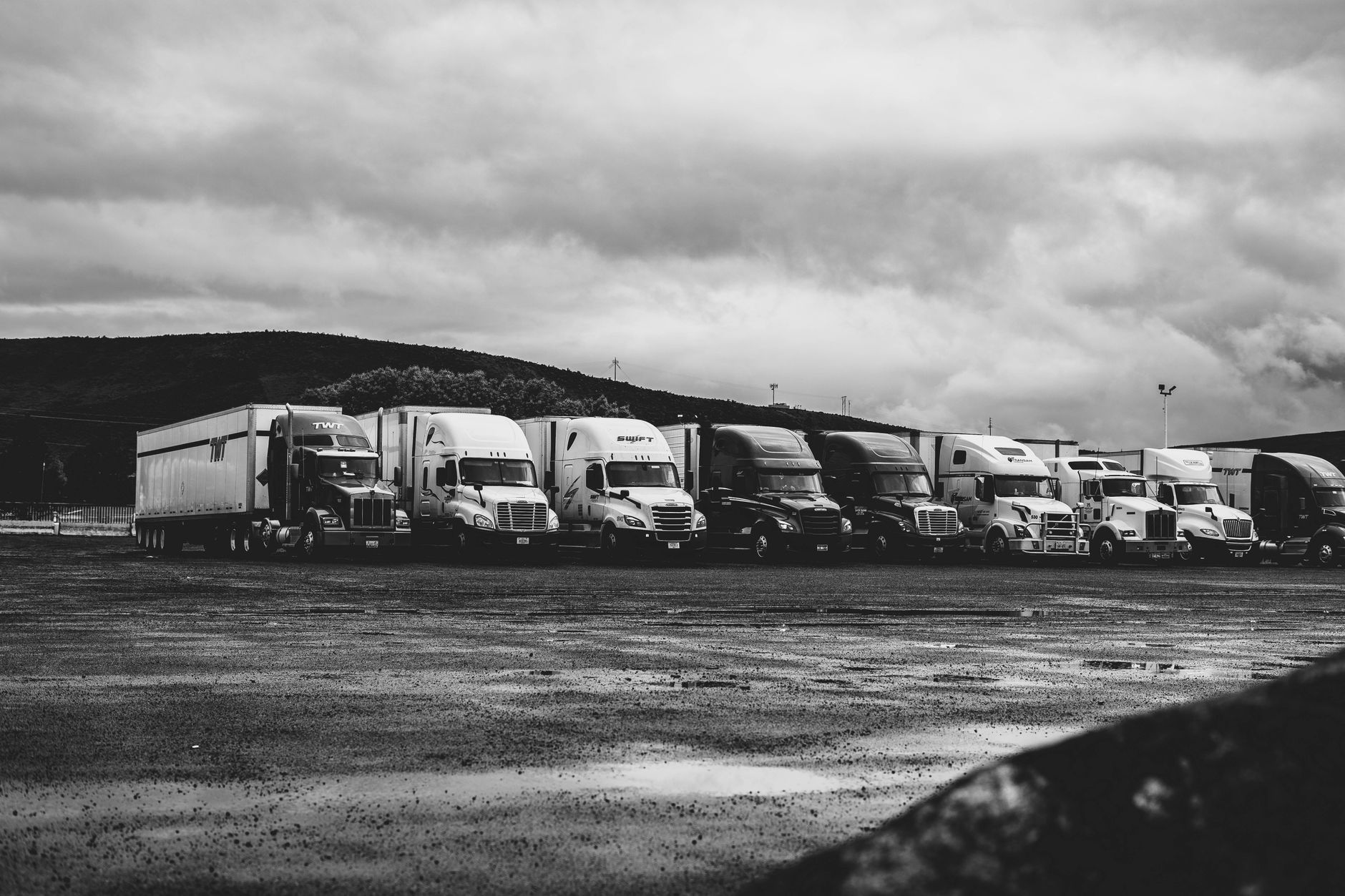
Illustrative archive of parked trucks; not current local conditions, a high-wind event or an instruction to park here. Kevin Bidwell / Pexels; Pexels License.
Original source: National Weather Service — high-wind guidance. Reviewed October 13, 2026.