Gray WPLS: Match the Model Before Comparing Lift Capacity
A column rating needs its model. Gray lists 14,000 lb for Fleet; match the actual equipment before comparing a lift quote.
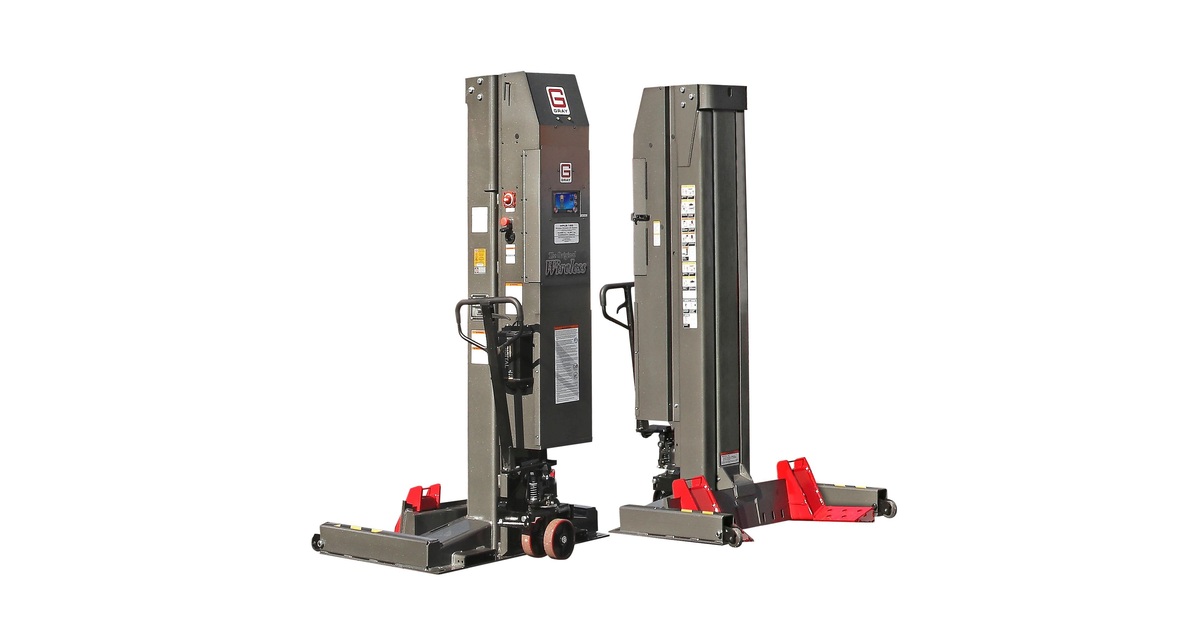
Manufacturer product photograph: Gray Manufacturing. WPLS family illustration; verify the installed model.
A quote for wireless mobile columns should identify the model before the buyer compares lifting capacity. Gray Manufacturing lists its WPLS Fleet column at 14,000 pounds, with arrangements of two, four, six or eight columns. That is information about the Fleet product, not permission to apply its specifications to every lift carrying the WPLS name. For a fleet buying equipment or choosing a service provider, the useful first step is a documented match between the proposed system and the vehicles it will serve.
Read the model before the headline number
The manufacturer's Fleet page describes a battery-powered, 24-volt mobile column with wireless communication and touchscreen controls. It gives a total capacity range of 28,000 to 112,000 pounds across the listed arrangements. Those published figures describe that product family configuration; they do not establish that an arbitrary truck, an uneven load or a particular shop floor is suitable. The following purchasing checklist is TSN's editorial guidance. It does not replace the equipment manual, operator training or a site assessment.
Ask for the exact model and revision in writing. A photo of a familiar control panel is insufficient identification. If a seller uses a family photograph, request the identification plates for the actual columns being supplied. Keep the quotation, model information and applicable instructions together. This makes a later question about an accessory or service item a request about identifiable equipment, rather than a guess based on a promotional image.
Give the supplier a vehicle list
Prepare a list of the trucks the shop actually expects to service. Record their configurations and the maintenance work planned, with any relevant vehicle information supplied by the fleet's technical staff. Ask the equipment supplier to state which applications it has evaluated and which remain outside the proposal. Do not present this article's capacity summary as a completed engineering review.
For example, a fleet comparing bids can ask each supplier to return the same worksheet: proposed column model, quantity, vehicle applications, included accessories, training and service arrangements. If one answer covers only a typical vehicle while another covers a defined list, the prices are not yet comparable. Resolve the scope difference before treating the lower figure as better value.
Separate mobility from the complete shop plan
Wireless communication can remove connecting cords between columns, but that description alone does not settle the rest of a purchase. Ask who will review the intended working area, how the equipment will be stored and charged, and which written instructions govern its use. These are questions for the supplier and the shop's responsible technical personnel, not installation steps inferred from an online product page.
Gray's page lists 110-volt charging and a published work height of 81 inches for the Fleet product. Verify the proposed equipment's documentation rather than transferring those specifications to a different model. Also identify who will receive training, who will keep the equipment records and how a service question will be routed. A purchasing file is more useful when it names a responsible party than when it simply repeats a manufacturer's feature list.
Compare the written deliverable
- Match the quotation's model designation with the equipment being offered.
- List the vehicles and tasks included in the supplier's application review.
- Separate columns, accessories, freight, training and service in the proposal.
- Ask which documentation will be handed over before acceptance.
- Record unresolved application questions instead of filling them with assumptions.
When comparing a shop's maintenance proposal, ask what inspection or repair is included and what findings will be documented. Owning a particular brand of lift does not prove a diagnosis, a repair outcome or compatibility with every vehicle. Likewise, an advertised maximum capacity is not an estimate of the invoice or a promise of less downtime.
Bring an identifiable job to the shop
The immediate benefit of this checklist is a clearer request, not a guaranteed saving. Keep the vehicle details, requested work and supplier's written response in the same file. If a model number or application remains uncertain, resolve it with the responsible supplier before approving that part of the equipment decision. Do not substitute a capacity calculation from this article for the required instructions.
For a truck maintenance conversation, contact The Truck Savers™ with the vehicle and requested inspection details. Ask for the scope of the work; this article does not claim the shop owns this lift or sells Gray equipment. Prevention starts with identifying what is being evaluated before authorizing work.
Original source: Gray Manufacturing, Fleet product page.