GM HD Pickups Change Steering and Brake Assist
GM HD pickups change steering and braking. Compare the exact equipment before choosing your next work pickup.
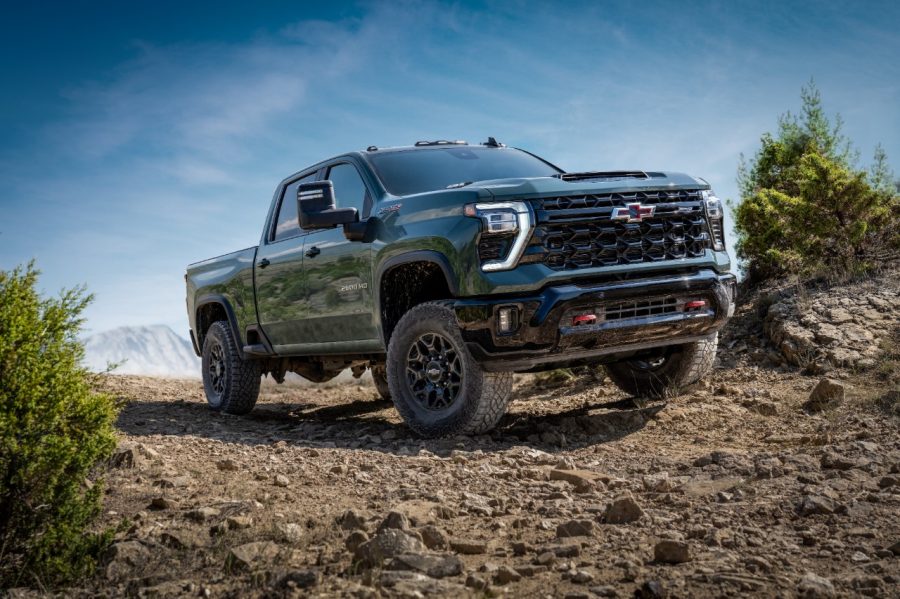
The 2027 Chevrolet Silverado HD and GMC Sierra HD announcement gives a work-truck buyer a reason to examine more than engine output. GM identifies electric power steering and electronic brake boost among the changes. That is a product announcement, not an independent road test. Before choosing a replacement pickup, build the comparison around the work your specific vehicle must perform.
Start with what is confirmed
GM published the announcement on September 24, 2026, and expects U.S. dealer arrivals to begin late in the year. Pricing remains to be announced. Chevrolet also describes the vehicles shown as preproduction models that may differ from production. These distinctions matter when comparing an actual vehicle offered today with a future configuration whose final details you still need to verify.
Chevrolet identifies an available 8.3-liter Duramax diesel and an enhanced 6.6-liter gasoline engine. Its product page also lists electric steering and eBoost braking. This article does not recommend one powertrain over the other or claim a measured improvement in operating cost. The useful next step is to separate published equipment information from assumptions about how a particular truck will perform in your operation.
Write the job before choosing the truck
Create a short work profile using your own records. Describe the trailer you actually use, the equipment that normally travels in the pickup, the routes you regularly cover, and the places where maneuvering is difficult. Keep this separate from a wish list of optional features. A clear profile gives the dealer concrete questions to answer and helps you avoid comparing two trucks configured for different jobs.
Record a typical day and a demanding day separately. A vehicle that looks attractive for occasional personal use may deserve a different evaluation when it becomes a daily work tool. Do not insert estimated weights where you have no reliable record. Mark those fields as unknown and resolve them before making a loading or towing decision. This is a purchasing worksheet, not a substitute for the manufacturer's operating instructions.
Ask questions that can be answered in writing
Request the equipment specification for the exact configuration being quoted. Identify which features are included, which are optional, and which remain unavailable or unconfirmed. A photograph of a well-equipped demonstration vehicle does not answer those questions. Keep the specification beside the quote so that a later revision does not quietly change the vehicle you believe you are comparing.
For steering and braking, ask for the applicable operating and maintenance documentation when it becomes available. Do not assume that a familiar badge means familiar procedures. Likewise, do not assume that a new system permits a different load, towing practice, or maintenance shortcut. Those conclusions require the documentation for the actual vehicle, not an interpretation of a launch headline or a social-media clip.
Separate a demonstration from evidence
If a suitable demonstration becomes available, plan what you want to learn beforehand. You might want to understand visibility, access to controls, or how the pickup fits a normal parking space. Use an authorized setting and follow the instructions provided. Do not create an improvised loaded test merely to reproduce a promotional scene. Record observations as observations, including the conditions under which you made them.
One brief drive is not a long-term maintenance record. It can help you identify questions, but it cannot establish your annual downtime, service costs, or fuel savings. Avoid turning a favorable first impression into a financial guarantee. If the information needed for a meaningful comparison is not available yet, keeping a decision open is more accurate than filling the gap with a confident guess.
Compare the complete proposal
Build a side-by-side sheet with the vehicle specification, price when available, included equipment, written delivery terms, and unanswered questions. Distinguish confirmed figures from estimates. Compare equivalent items rather than one fully specified truck against another truck's advertised starting point. Preserve the date of each quote and the person or document that supplied the information so your comparison remains auditable.
For a working pickup, ask how the purchase fits your own replacement plan. List the work your current vehicle can still perform and the limitation you are trying to solve. Do not treat a new model year as proof that replacement pays for itself. That conclusion needs your costs, your utilization, and a documented alternative. The worksheet should expose a weak assumption before it becomes part of a purchase commitment.
Before you sign
- Define the actual job and identify missing measurements.
- Obtain a configuration-specific quote and equipment list.
- Read the applicable operating and maintenance information.
- Keep estimates visibly separate from confirmed terms.
- Resolve material open questions before committing.
Read more practical reporting at Truck Savers News. This checklist is TSN editorial guidance, not a GM test result or an endorsement. Photo: GM newsroom, Chevrolet Silverado HD ZR2 preproduction vehicle. Production appearance may differ.
Original source
GM announcement, September 24, 2026; supporting product information: Chevrolet 2027 Silverado HD. Availability and equipment should be reconfirmed for the vehicle and market involved.