Future Truck Summit: Plan for March 9 at JW Marriott
Future Truck Summit runs March 9. Its new program covers fleet technology, energy, data and operating risk.
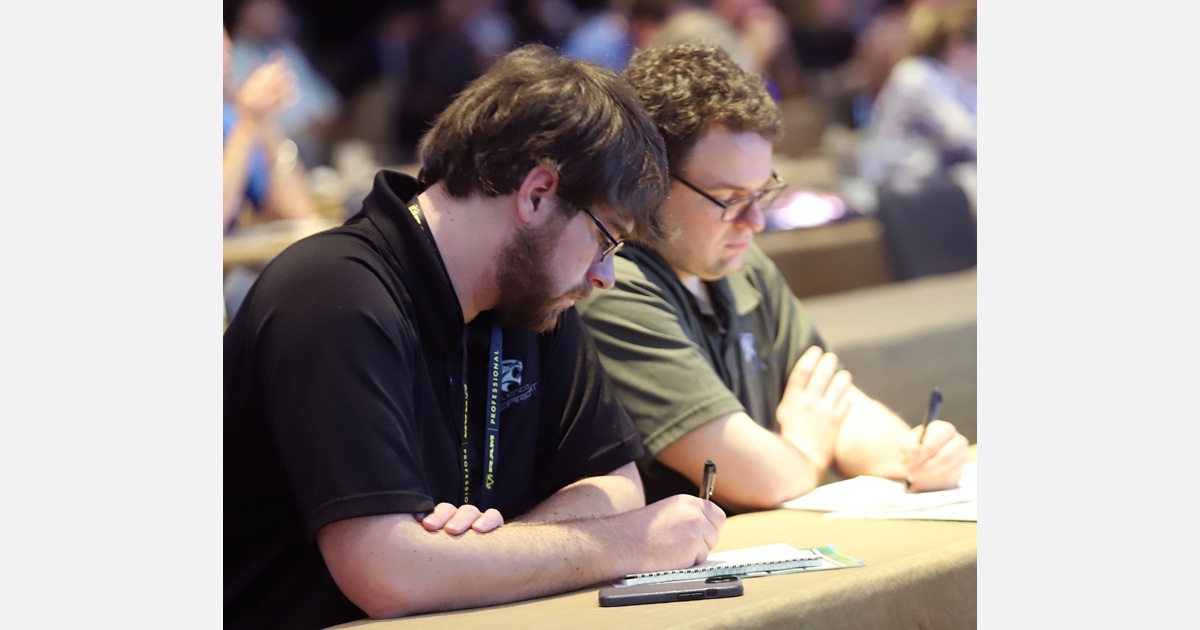
Archive photograph supplied by NTEA for its November 17, 2026 announcement. Illustrative educational session; it does not depict the future 2027 conference.
Future Truck Summit will take place March 9, 2027, at JW Marriott Indianapolis, connected to Indiana Convention Center. NTEA's November 17 program announcement gives commercial fleets a reason to look beyond the exhibition dates: the new conference focuses on how emerging technology, energy choices and operating risks could affect future vehicle decisions.
The event succeeds Green Truck Summit and is being developed with NAFA Fleet Management Association. Work Truck Week continues March 9–12, while its main exhibit hall opens March 10. A trip planned only around booths therefore answers a different need from a day devoted to the Summit. Confirm the particular activity, venue and registration package before arranging travel.
A new opening question instead of a conventional keynote
NTEA says the opening discussion will ask participants to reconsider how the work truck industry would be organized if it were being built today. Its announced panel combines fleet, upfitter and manufacturer perspectives. The purpose is to challenge assumptions about multi-stage commercial vehicles rather than present a single product as the answer to every fleet problem.
That is useful context for a small operation considering equipment changes. The vehicle, installed body, power requirements, support arrangements and working task need to fit together. TSN recommends bringing a clearly described operating problem to the conference. A broad interest in technology is harder to turn into a follow-up decision than a specific question supported by your own records.
Four themes for the afternoon
After lunch, the announced program offers more than a dozen breakout sessions organized around connected vehicles, power and energy, vehicle design and upfitting, and future fleet operations. NTEA identifies subjects including cyber risk, diesel's evolving role, electrification infrastructure, vehicle data and autonomous technology. A topic appearing on the agenda establishes a planned discussion, not an endorsement or a guarantee about deployment.
Choose sessions according to the question your business needs to resolve. For a connected fleet, that might mean identifying who can access vehicle information and what happens when a system is unavailable. For a vehicle replacement discussion, it might mean understanding which operating records a supplier needs before evaluating an alternative. These are TSN planning suggestions, not promised conference findings.
Turn your own records into better questions
Prepare a short description of a representative vehicle's job. Include the configuration, usual working area, hours in use, equipment carried and constraints that affect assignments. Mark estimates clearly. Information already measured should remain separate from assumptions, especially when a proposed technology is being compared with an existing unit.
Ask each presenter or supplier what evidence would be needed to evaluate your case. Record the source, date and limitations of any answer. A result from another fleet may help frame an investigation, but differences in duty cycle and equipment can matter. Do not convert a conference example into a guaranteed reduction in your own costs or downtime.
Check the package before booking
The announced FTS Conference Package includes Summit sessions, Tuesday lunch, Work Truck Week breakout sessions, the Tuesday Opening Reception, exhibits and Ride & Drive. NTEA also describes access to some presentation materials afterward. The organizer's current FAQ says the package does not include the Annual Meeting, Special Sessions or WTW lunches, so confirm any additional activity separately.
The November 17 release lists early registration discounts through February 11. Check current pricing and terms directly before paying; this article does not quote a ticket price or reserve a place. Registration access, a hotel room and a particular session's availability are separate matters. Keep the written confirmations together so the working itinerary reflects what was actually purchased.
A useful trip ends with an accountable next step
- Select one operating question for each attendee.
- Choose sessions that directly inform that question.
- Bring the relevant configuration and operating records.
- Confirm the package, venue and activity dates.
- Record facts, supplier statements and unresolved items separately.
- Assign responsibility for the follow-up after returning.
For example, a hypothetical fleet manager exploring connected equipment could return with a list of information to request from current suppliers. That is a concrete outcome even if no purchase follows. A presentation alone cannot establish compatibility, service coverage or a documented business case for the fleet's actual trucks.
TSN's existing Work Truck Week coverage addresses the exhibition calendar. This program update serves a narrower decision: whether the Summit's technology discussions warrant a separate day and the appropriate registration package. Recheck the organizer's schedule before departure because planned programs can change.
For broader itinerary context, review TSN's Work Truck Week exhibit-date guide. The preventive step is to define the operational question first, confirm access second and bring home evidence that supports the next decision.
Original source: NTEA November 17 Future Truck Summit announcement.