Freedom Haulers Expands CDL Fast Track for Veterans
A federal CDL initiative gives qualified veterans more time and more state pathways to turn military heavy-vehicle experience into trucking work.
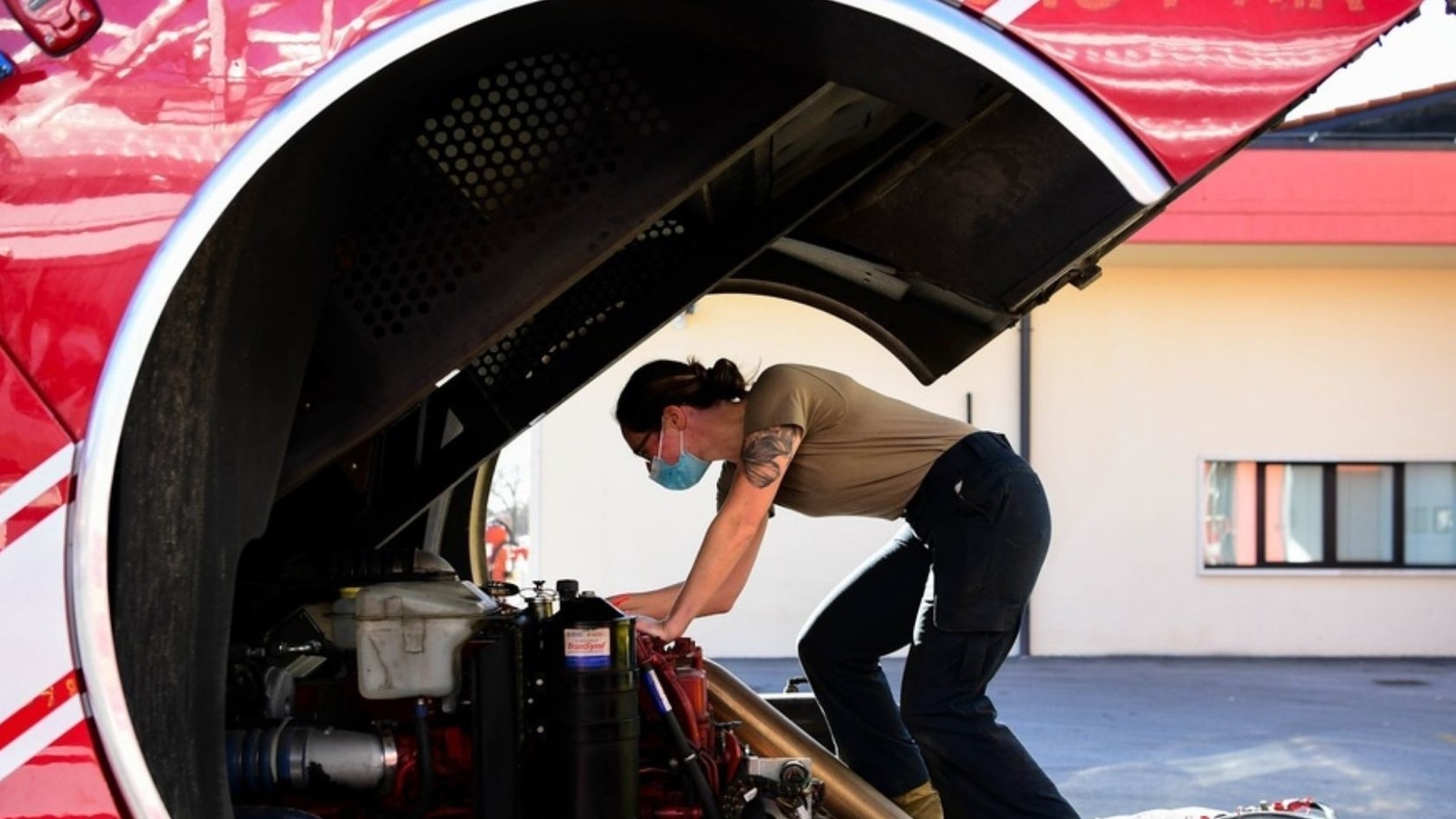
Freedom Haulers has expanded the path from military heavy-vehicle experience to a civilian commercial driver's license. Qualified veterans will have up to two years after leaving service to seek a military skills-test waiver, while seven more states are joining a faster license-exchange program. The change matters to veterans planning a second career and to carriers trying to recruit experienced, safety-minded drivers.
By Redacción Truck Savers News
What changed in the veteran CDL pathway?
The application window for the Military Skills Test Waiver is expanding from one year after service to two years. That waiver can allow a qualified applicant with recent military commercial-vehicle experience to skip the civilian CDL road or skills test. The announcement says more than 40,000 veterans have already used this route.
Seven states are also joining the Even Exchange Program: Alabama, Arkansas, Florida, Indiana, Louisiana, Maryland and Wyoming. Their addition brings participation to 34 states. Even Exchange can go further than the skills-test waiver because a veteran with an approved military driving occupation may be able to bypass both the knowledge and skills tests. Availability and qualifying military occupations still depend on each participating state.
A separate portability change lets active-duty personnel use the driver-licensing agency where they are currently stationed to pursue a commercial learner's permit or CDL, rather than traveling back to the state listed as home. This location flexibility continues for two years after separation. That can remove a real travel and timing barrier during the transition to civilian work.
Who is affected, and when does it apply?
The main beneficiaries are active-duty service members approaching separation, veterans with recent military heavy-vehicle experience and military spouses seeking carrier employment. Small fleets and larger carriers may also gain access to a wider applicant pool. One major carrier announced a commitment to hire 1,400 veterans and military spouses in 2027, but that private hiring pledge is separate from CDL eligibility.
The federal announcement was made July 30, 2026. Applicants should not assume every state system changes on the same day. A state's motor-vehicle agency must show that the relevant pathway is active, and the applicant must meet that state's documentation and eligibility rules.
A waiver is not an automatic CDL
The new pathway does not turn military experience into an unrestricted license without review. A skills-test waiver normally removes the road test, not every other requirement. The applicant may still need a valid medical certificate, identity and driving-record checks, a commercial learner's permit or knowledge testing, state fees and any endorsement-specific requirements. Hazardous-material endorsements involve additional federal security steps.
Even Exchange can waive both knowledge and skills testing only for qualified military driving occupations in participating states. Military vehicle operation also does not replace a carrier's hiring standards, insurance review, road evaluation, drug-and-alcohol program duties, orientation or equipment-specific training.
How training and benefits can lower the entry cost
Eligible veterans may use GI Bill benefits for approved non-college CDL programs. Coverage can reach the full tuition amount in some approved cases, but it is not a universal promise for every applicant or school. Veterans with a qualifying service-connected disability may also receive training and job-placement support through the Veterans Readiness and Employment program.
Transitioning service members can use SkillBridge during their final 180 days of active duty when the command and program approve participation. Registered apprenticeships can combine paid carrier training with an educational housing allowance for eligible veterans. The practical move is to verify the school, benefit eligibility, remaining entitlement and likely out-of-pocket cost before signing an enrollment agreement.
What small carriers should do before hiring
A fleet should build a veteran-friendly process without lowering its safety bar. Ask applicants which military vehicles they operated, for how long and in what conditions. Map that experience to the tractor, trailer, transmission, cargo and route the job actually requires. Confirm the CDL class and endorsements, medical status, motor-vehicle record and program documents before dispatch.
Pair a new civilian driver with a qualified mentor, especially for hours-of-service logging, inspection paperwork, shipper procedures, backing at crowded docks and commercial vehicle weight rules. Military discipline is valuable, but civilian freight has its own legal, customer and equipment demands.
Carriers preparing equipment for a new driver can use Truck Savers inspection and maintenance support to address documented truck-readiness issues before the first load.
What the road hero should check
- Confirm whether the state offers the Military Skills Test Waiver, Even Exchange or both.
- Gather the DD-214, military operator records and any required commanding-officer certification.
- Verify the two-year timing window from the official separation date.
- Check medical certification, CDL class, endorsements, knowledge tests and state fees.
- Confirm that any school is approved before using education benefits.
- Review the truck's tires, brakes, lights, steering, suspension, wheel ends, fluids and leaks before the first route.
- Get carrier pay, training, home-time, equipment and repayment terms in writing.
Clear answers for applicants and fleets
What changed? The skills-waiver window grows to two years after service, seven states are joining Even Exchange and stationed service members gain more licensing flexibility.
Who is affected? Qualified service members and veterans with relevant military driving experience, plus carriers recruiting them.
How does it affect costs? A waiver may avoid redundant testing, and approved benefits may reduce training expense; neither guarantees a free CDL or a job.
How does it affect safety? It recognizes verified experience while preserving state, medical and carrier controls. Fleets still need complete onboarding and equipment checks.
Bottom line
Freedom Haulers gives qualified veterans more time and more ways to translate military driving experience into a civilian trucking career. The smart next step is not to assume automatic approval; it is to verify the exact state pathway, documents, benefits and carrier requirements before spending money or accepting a start date.
The road does not forgive lack of preparation.
Original sources
U.S. Department of Transportation: Freedom Haulers policy announcement, July 30, 2026; FMCSA Military Skills Test Waiver; FMCSA Even Exchange Program; VA non-college degree benefits.