Ford Built 62,082 F-150s in October: Check the Measure
Ford F-150 output rose in October. The monthly production gain does not establish a specific pickup’s equipment or delivery.
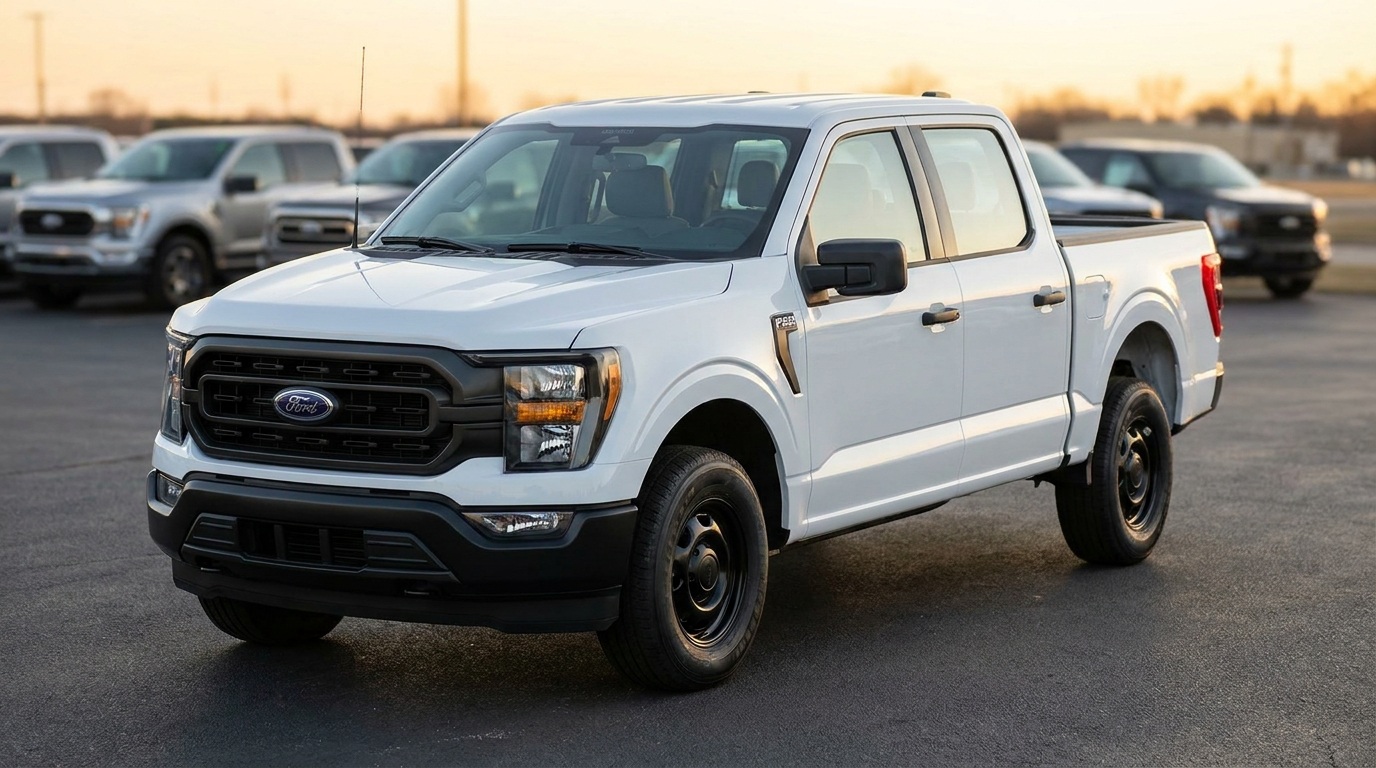
AI-generated editorial illustration; not a factory photograph or a count of dealer inventory.
Ford's October production table lists 62,082 F-150 pickups, compared with 42,846 in September. That is 19,236 more vehicles, a calculated increase of 44.9%. The table separates F-150 production from Super Duty. For a work-truck buyer, those figures describe factory output; a purchase decision still needs the equipment and delivery record of the particular pickup being offered.
Keep the comparison tied to its column
Write down the model family, month and measure before using a headline in a purchase meeting. Here the useful comparison is October against September, within the F-150 production row. Calling that a year-over-year change would answer a different question. Calling it sales would also change the measure. A short note with both period labels and the calculation lets someone check the conclusion without reconstructing the table from memory.
The arithmetic is straightforward: subtract the earlier count from the later count, then divide the difference by the earlier count. Rounding to one decimal place produces the percentage above. This tells you the size of the monthly change in the reported series. It cannot tell you whether a particular cab, engine or equipment group is waiting at a local dealership. Keep that question in the vehicle inquiry, where it can be answered directly.
Convert the work requirement into a vehicle inquiry
Before asking a salesperson what is available, describe the job. List the people, tools, usual cargo and trailer requirements that the pickup must support. Identify which items are essential and which could change. Keep quantities and equipment descriptions specific enough for the seller to match a vehicle. An attractive body style or general model name leaves too much room for two people to imagine different configurations during the same conversation.
Ask for the vehicle identification number and an equipment record for every serious candidate. Link the seller's claims to that unit in writing. Put the configuration beside the work requirement and leave any unverified item open. A broad production headline should not turn a missing equipment answer into an assumed yes. If a feature matters to accepting the truck, identify the document or demonstration that will establish it before committing to a delivery arrangement.
Ask what the promised delivery date depends on
Separate a truck physically available for inspection from one described as incoming or expected. Ask the seller to explain the status and provide a dated written description. Identify who will confirm the next milestone and when. If an upfit is part of the purchase, get its scope and scheduling conditions from the responsible provider. Keep the vehicle transaction and the added equipment clear enough that each party knows which promise it owns.
Build a fallback around the business task. An illustrative contractor may need a pickup for a confirmed project, while the proposed vehicle still has an unanswered equipment question. The next step is to resolve that question and verify timing, then assess an alternative if needed. The production total alone cannot establish that the project should rely on the incoming unit. Put the remaining uncertainty beside the date, where the person assigning the work can see it.
Compare offers using the same written specification
Create one row per vehicle and include identification, agreed equipment, current status and the seller's confirmed delivery terms. Use the same headings for each candidate. Where an answer is missing, keep the field visibly unanswered. This prevents an incomplete offer from appearing equivalent to one whose specification has been documented. Discuss the differences before treating the offers as interchangeable choices for the same job.
For financing or a trade-in, request the applicable written terms from the responsible provider. Keep those documents distinct from the factory-production information. A change in output does not establish the rate, payment or allowance you will receive. Evaluate the actual offer against your own business requirements and obtain qualified advice where needed. The editorial calculation in this story is a production comparison, rather than a forecast of what any truck will cost.
Plan the handover before the pickup arrives
Agree what will be checked at delivery and who will attend. Bring the equipment description, open questions and documents the seller promised. Record any discrepancy with the person responsible for resolving it. Keep the vehicle's manuals and service information with its file. If you purchase for several drivers, make the handover notes accessible so the person who uses the pickup receives the same confirmed information as the person who negotiated it.
- Record the model, measure and both comparison months.
- Write the work requirement before comparing vehicles.
- Match equipment claims to a specific vehicle record.
- Confirm delivery status and any separate upfit work.
- Keep unanswered items visible in the offer comparison.
- Preserve the agreed specification and handover documents.
The practical value of the October report is a clearer starting question for the seller. Use it to ask about the exact F-150 you need, then make the decision with evidence about that vehicle. For a separate tire, steering or suspension inspection, review the published services of The Truck Savers™ and confirm the appropriate scope directly. A documented vehicle and a realistic handover plan support the work better than a percentage taken out of its table.
Original source: Ford, October 2026 U.S. sales and production tables.