Ford 26S78: VIN Search Is Planned for December 7
Ford’s tailgate cable filing includes a future VIN search date. Confirm current vehicle-specific information before interpreting an empty result.
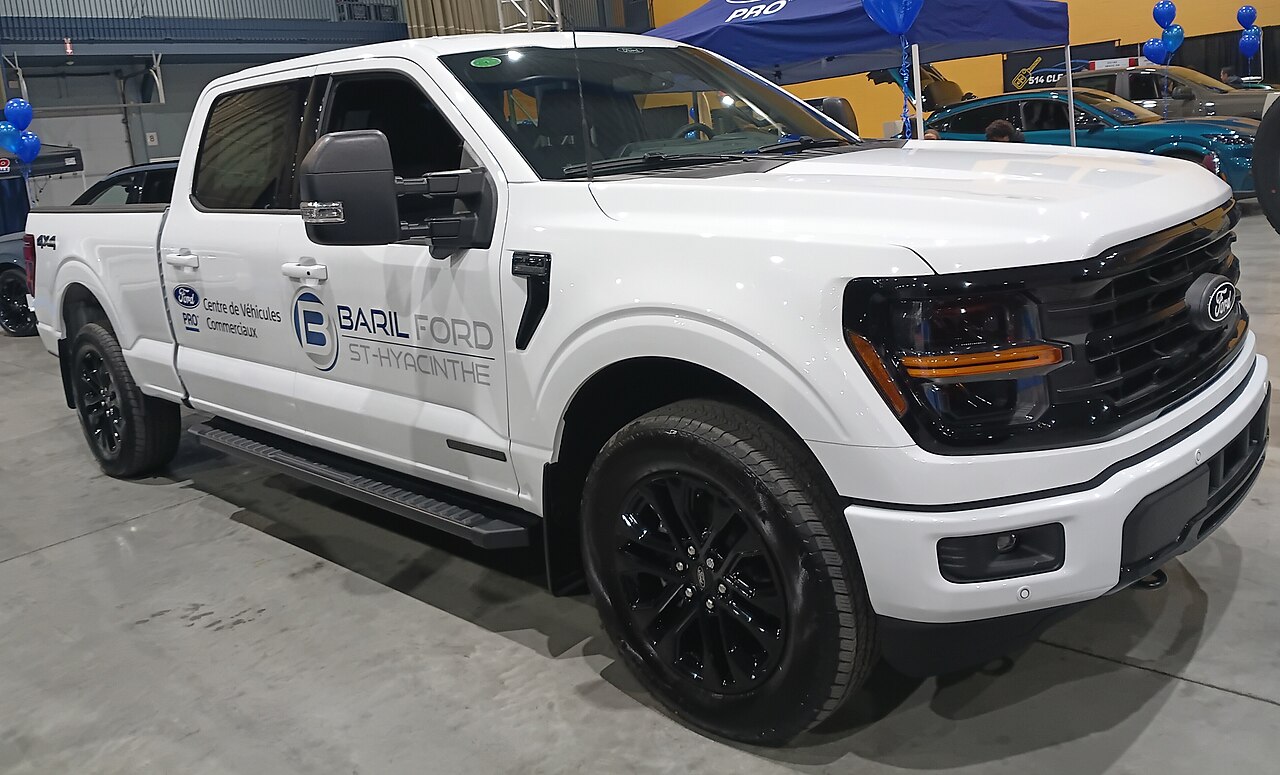
2026 Ford F-150 file photograph: Bull-Doser / Wikimedia Commons, public domain. Illustrative vehicle; campaign applicability is not established by this image.
The date that changes the VIN check
Ford’s October 20, 2026 filing for NHTSA campaign 26V689, manufacturer reference 26S78, covers certain 2026–2027 F-150 and 2026 F-250, F-350 and F-450 trucks. It identifies 30,123 potentially involved vehicles and a left-hand tailgate support cable concern. The filing plans searchable VINs for December 7, 2026, interim owner letters in December and remedy letters in January. Its stated remedy is dealer replacement of the left cable without charge. These are planned campaign milestones, not proof that a particular vehicle is affected or that an appointment is available today.
Why an early empty search needs context
The useful question is not simply whether a search returned a result. Ask which campaign you were checking, when the check occurred and whether the source had reached its stated search milestone. A result without that context can be misread by the next person handling the truck. Before turning an early lookup into a purchase or service conclusion, obtain current vehicle-specific information from Ford or an appropriate Ford or Lincoln dealer. Do not treat the absence of a result as a substitute for that confirmation.
Keep model identification separate from applicability
A truck can match a model name in a campaign description without that alone settling its individual status. Keep the exact vehicle record separate from a photograph, a trim badge or a seller’s short description. The photograph accompanying this article illustrates a 2026 F-150; it does not identify an affected vehicle. When preparing an inquiry, use the vehicle’s actual identification privately with the manufacturer or dealer. A public comment does not need the complete identifier, ownership papers or other information from the business file.
Make the dealer inquiry specific
A clear inquiry can name both campaign references and ask for the current vehicle-specific status and the appropriate next step. Record the source and date of the answer. If the response requires another check later, keep that follow-up visible rather than replacing the unresolved status with a reassuring assumption. This is an editorial communication framework, not a claim that every dealer can book the same work on the same date. Ask what is confirmed now and what remains dependent on a later notice or update.
Keep a purchase review tied to evidence
If this campaign comes up while evaluating a used or new work truck, request the relevant current campaign information before describing the issue as resolved. A seller’s statement, a prior service visit and a completed campaign repair are different kinds of evidence. Ask for the document that supports the particular statement being made. This article does not establish whether a specific sale can proceed or recommend terms for that purchase. It identifies an information gap to resolve with the manufacturer and the parties responsible for the vehicle.
Do not turn the component description into a test
The filing’s description is not a do-it-yourself diagnostic procedure. Do not invent a loading test, an inspection threshold or a substitute component from this article. A reader cannot determine campaign status by comparing a cable to a news photograph, and this page does not provide repair instructions. Keep questions about current use guidance and the appropriate service action with Ford or the authorized provider handling the vehicle. If advice is given for your unit, retain the exact response rather than expanding it into a general claim for every truck.
An appointment is not the final record
When service is arranged, distinguish the request, the confirmed appointment and the resulting work documentation. Keep the campaign reference with the record so a later reviewer can tell which matter the visit addressed. If the visit involves other maintenance, do not assume that it also completed this campaign. Before marking the item closed, obtain the relevant completion evidence. This recordkeeping suggestion is not an additional requirement announced by Ford; it is a way to keep the business summary consistent with what was actually confirmed.
Handle changing dates without creating false certainty
A planned date in a manufacturer filing describes the schedule stated in that document. It is not a promise by the business publishing this article. When a later notice changes the information, keep the older record with its date and add the new confirmation. Avoid forwarding a screenshot with the campaign number or the schedule cut off. The next person should be able to see why an earlier check was left unresolved and which later evidence changed the status, rather than trying to reconstruct the sequence from memory.
The next useful check
Read the original campaign filing, identify the schedule as planned, and ask Ford or an appropriate dealer to confirm the current information for the actual vehicle. Keep an unresolved answer open and assign the next review to a named role inside the business. The value of this campaign note is the timing distinction: a search performed before the stated VIN milestone needs context. It does not show that all listed models are affected, that a repair has happened, or that an early empty result settles the question.
Original source: Review Ford’s filed campaign and planned schedule.