Fontaine No-Slack: Check the LT-203 Scope
Fontaine cold-weather guidance has a specific scope. Match the fifth wheel before assigning maintenance for freezing conditions.
A tractor headed toward freezing conditions needs a fifth-wheel maintenance plan that matches its installed equipment. Before assigning a winter service request, identify the coupling and locate the manufacturer’s instructions. A generic note saying “grease the fifth wheel” leaves important questions unanswered about the product, procedure and inspection that the shop is expected to complete.
What the Fontaine document actually covers
Fontaine’s currently linked LT-203 bulletin is revision R12, dated May 2019, for No-Slack 6000, 7000, 7000CC, NT and H7. It addresses snow, ice, debris and hardened lubricant affecting the mechanism in cold conditions. Its second page includes visual coupling checks. This is existing maintenance literature, not a newly announced product or a bulletin issued this October.
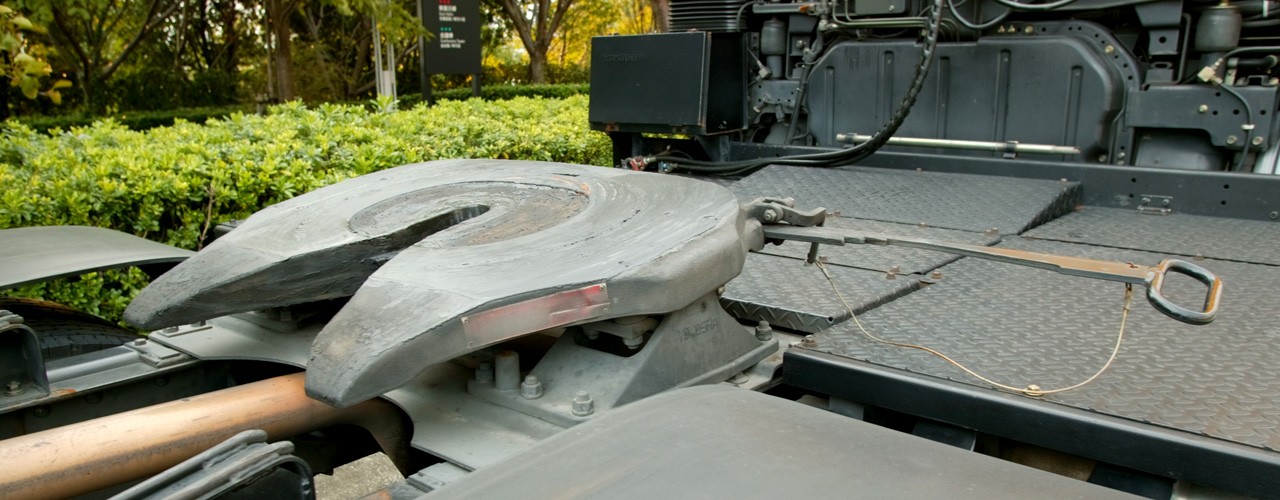
That scope is the first useful distinction for a fleet preparing an unfamiliar tractor. A document found under the right manufacturer’s name may still describe a different assembly. Match the equipment before turning the bulletin into a service order. The archive photo accompanying this article illustrates a fifth wheel; it does not identify an installed Fontaine model.
Give the shop an equipment-specific request
Put the tractor identifier and the coupling identification in the same request. Include the manufacturer document you expect the technician to consult, rather than attaching a cropped instruction from a group chat. If the equipment identity remains unclear, make that an explicit pending item instead of treating a visually similar mechanism as a confirmed match.
For a hypothetical fleet handoff, the tractor may be scheduled for a northern route while its maintenance file contains only a previous routine-service receipt. The next step is to establish which coupling is installed and which cold-weather guidance applies. The old receipt can document the previous job; it cannot answer a new equipment or route question by itself.
Describe observations separately from conclusions. A photograph, operating concern or technician’s note should retain its date and equipment reference. Do not convert “needs review” into a diagnosis of a broken part. A precise request lets qualified personnel determine the next action without inheriting an unsupported explanation.
Do not build a lubricant recipe from a headline
Cold-weather preparation should use the full applicable instructions and the lubricant supplier’s guidance. This article provides no substitute product, mixing ratio or improvised cleaning method. The purchasing task is to obtain the information needed to confirm the selected product with the responsible technician and supplier, not to infer compatibility from a container’s marketing language.
A stockroom can record the proposed product name, supplier documentation and the equipment for which it is intended. Keep unresolved compatibility questions visible. A product already on the shelf is convenient, but that convenience is not evidence that it belongs in the maintenance procedure for the unit under review.
If a proposed change involves replacing a product used in the fleet, make the change part of the documented service discussion. Ask who verifies applicability and who records the work. Avoid silently passing a new instruction between shifts while leaving the purchasing and maintenance records unchanged.
Separate maintenance from coupling verification
A maintenance job and a check of the current tractor-trailer connection answer different questions. Keep both in the handoff instead of assuming that a recent shop visit documents a later connection. Fontaine’s bulletin cautions that a tug test can pass with an improper coupling; it does not replace the specified visual inspection.
For operating details, use the complete instructions for the installed equipment and the fleet’s applicable procedures. This guide does not supply a shortened coupling sequence or authorize a workaround when a check cannot be completed. An unresolved observation should go to the appropriate qualified support before the handoff is marked complete.
Make winter preparation visible to dispatch
Record which service was requested, which work was completed and which questions remain open. Dispatch needs the equipment’s actual status, not a generic seasonal label. “Winter check requested” and “equipment-specific work completed” are different statements; the record should show which one is supported.
Review the intended route using current weather information. A cold-weather maintenance bulletin is not a forecast and does not establish road conditions for a particular trip. Keep vehicle preparation, route assessment and dispatch decisions connected without replacing one with the other.
- Identify the tractor and installed coupling.
- Locate the applicable manufacturer literature.
- Describe observations without guessing a cause.
- Resolve lubricant questions with qualified support.
- Keep maintenance and connection checks distinct.
- Document completed work and pending questions.
The practical goal is a usable winter handoff: equipment identified, service supported by the correct documentation and unresolved issues clearly assigned. Organize that work before the trip needs a rushed answer. A seasonal reminder has value when the next person can see exactly what was checked and what still needs attention.
Continue exploring practical fleet guides at Truck Savers News.
Illustrative archive photo: Fifth-wheel coupling; not identified as Fontaine or any model covered by LT-203. Tennen-Gas, CC BY-SA 3.0. Resized and JPEG re-encoded.
