FMCSA Restores 30-Day Regional Emergency Relief
FMCSA restores a 30-day emergency relief period. Direct assistance and the actual declaration still determine eligibility.
FMCSA has restored a 30-day automatic relief period for qualifying regional emergency declarations, replacing the 14-day period. The final rule was published in the Federal Register on October 5, 2026, and takes effect that same day. For a small carrier, the useful change is a longer initial window for eligible emergency assistance. It is not a general extension of driving time for ordinary freight.
One number changes; the scope still matters
The rule amends paragraph (b) of 49 CFR 390.23 by replacing 14 with 30. It concerns regional declarations issued by a state governor, the governor's authorized representative or FMCSA. The agency describes the automatic exemption as limited to commercial motor vehicles providing direct assistance in response to a declared emergency, with relief from the hours-of-service provisions in sections 395.3 and 395.5.
That distinction is central to dispatch. A load does not become eligible merely because its route crosses a state with an emergency declaration. The operation must fit the applicable direct-assistance provisions and the actual terms of the declaration. This article reports the new federal rule; it does not identify a particular shipment as exempt or announce a new emergency for any location.
The declaration can end the window sooner
Thirty days is not a guaranteed period for every response. The final rule explains that the exemption cannot continue beyond the emergency period when that period is shorter. A declaration that ends sooner does not produce an extra block of relief simply because the automatic federal limit is now 30 days. Operators need to track the active document and later changes, rather than saving only a headline about the rule.
FMCSA also retains authority under section 390.25 to extend emergency exemptions beyond 30 days. An extension is a separate matter, not something a carrier should infer from continuing demand for deliveries. Keep the distinction between the automatic period, the emergency's actual duration and an agency-issued extension visible in the dispatch file.
Why the agency returned to 30 days
The change follows petitions for reconsideration of the October 2023 rule and a proposed rule published on January 9, 2026. FMCSA says the shorter period increased the need for extension requests. Returning to 30 days is intended to reduce that administrative burden while preserving the limited purpose of emergency relief: restoring essential services and supplies.
The final rule adopts the proposed single amendment without changing its regulatory text. It does not adopt a suggested 90-day automatic period. It also does not make suspension of carrier registration requirements a routine component of every automatic emergency exemption. Those points matter because a discussion of broader requests in the rulemaking is not evidence that the agency granted them.
A dispatch check before relying on relief
TSN recommends keeping a short review record for an operation that may qualify. The following fields are an organizational aid, not a new federal form or a substitute for determining legal eligibility. Complete them from the actual declaration and shipment records before treating a trip as covered.
- Authority: identify who issued the declaration and keep the official document or authoritative copy.
- Period: record its effective period and any amendment, cancellation or extension that changes it.
- Activity: describe the service or supplies and why the operation may constitute direct assistance.
- Scope: identify the specific relief being relied on and distinguish it from obligations that remain applicable.
- Handoff: name the person responsible for checking updates and communicating a change to the driver.
Consider a hypothetical carrier with two assignments: one described as an emergency supply movement and one ordinary customer delivery. The presence of the first assignment does not establish that the second qualifies. Each operation needs its own connection to the applicable relief. Likewise, a customer's request for faster delivery is not an official determination of coverage.
Update the reference, then verify the trip
For fleets that keep an internal compliance reference, the immediate task is to record the October 5 change accurately and direct staff to the current official documents. Avoid leaving a worksheet that automatically assumes 14 days, but also avoid replacing it with an unconditional 30-day promise. An unresolved question about the load or the declaration needs qualified compliance review before reliance on the exemption.
The preventive lesson is to pair the new duration with evidence of eligibility. Read the declaration, preserve the relevant shipment records and check for changes before the next assignment. For further operator-focused updates, continue reading Truck Savers News.
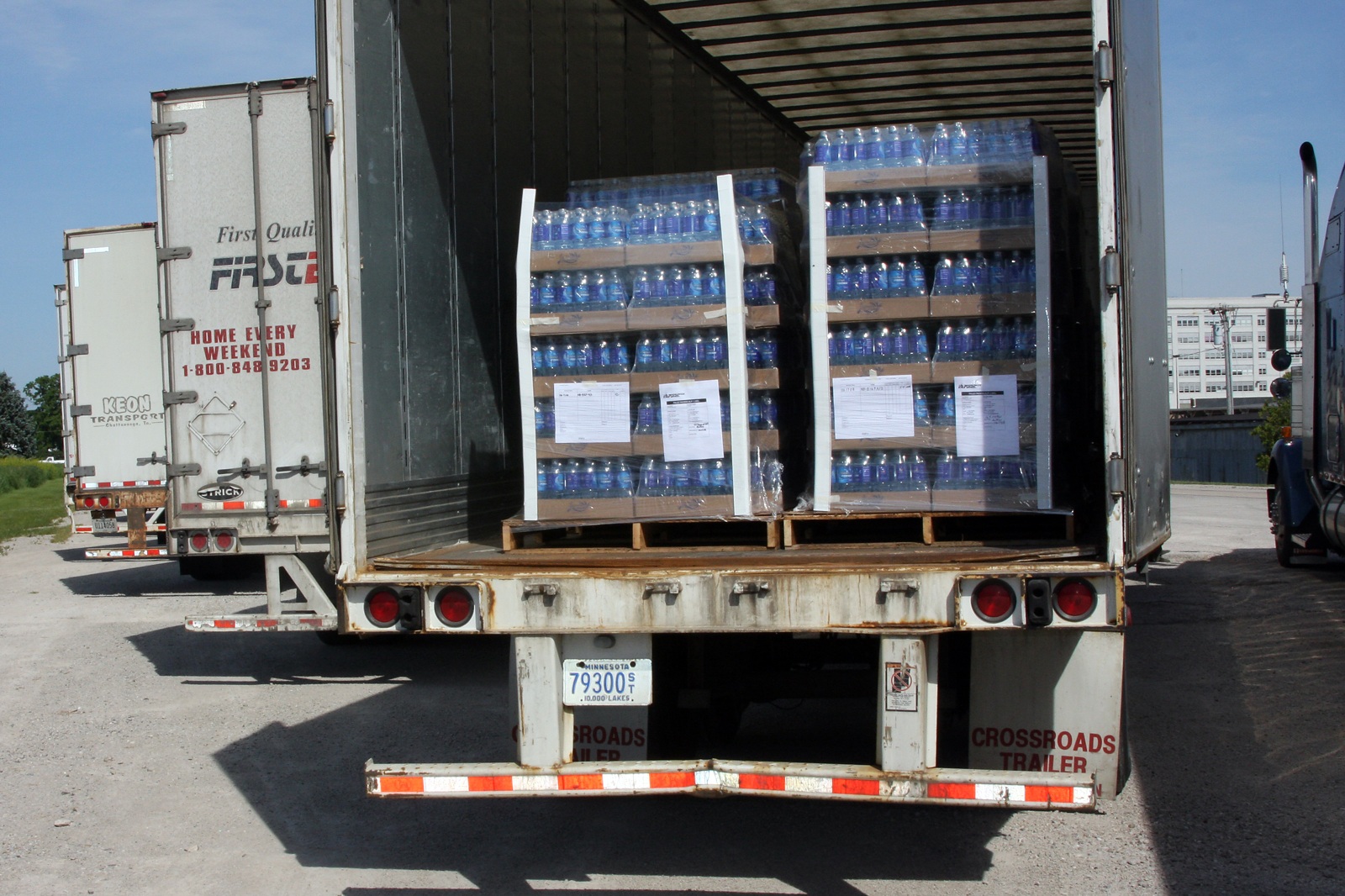
Illustrative archive photograph: Robert Kaufmann/FEMA, bottled water staged in trucks at Rock Island, Illinois, June 19, 2008; public domain. It does not depict a current declaration or shipment.
Original source: FMCSA final rule, Federal Register, October 5, 2026, document 2026-20325.