FedEx Orders 2,000 EVs: Plan the Depot First
FedEx orders 2,000 Harbinger electric trucks. A fleet checklist puts routes, charging and service before expansion.
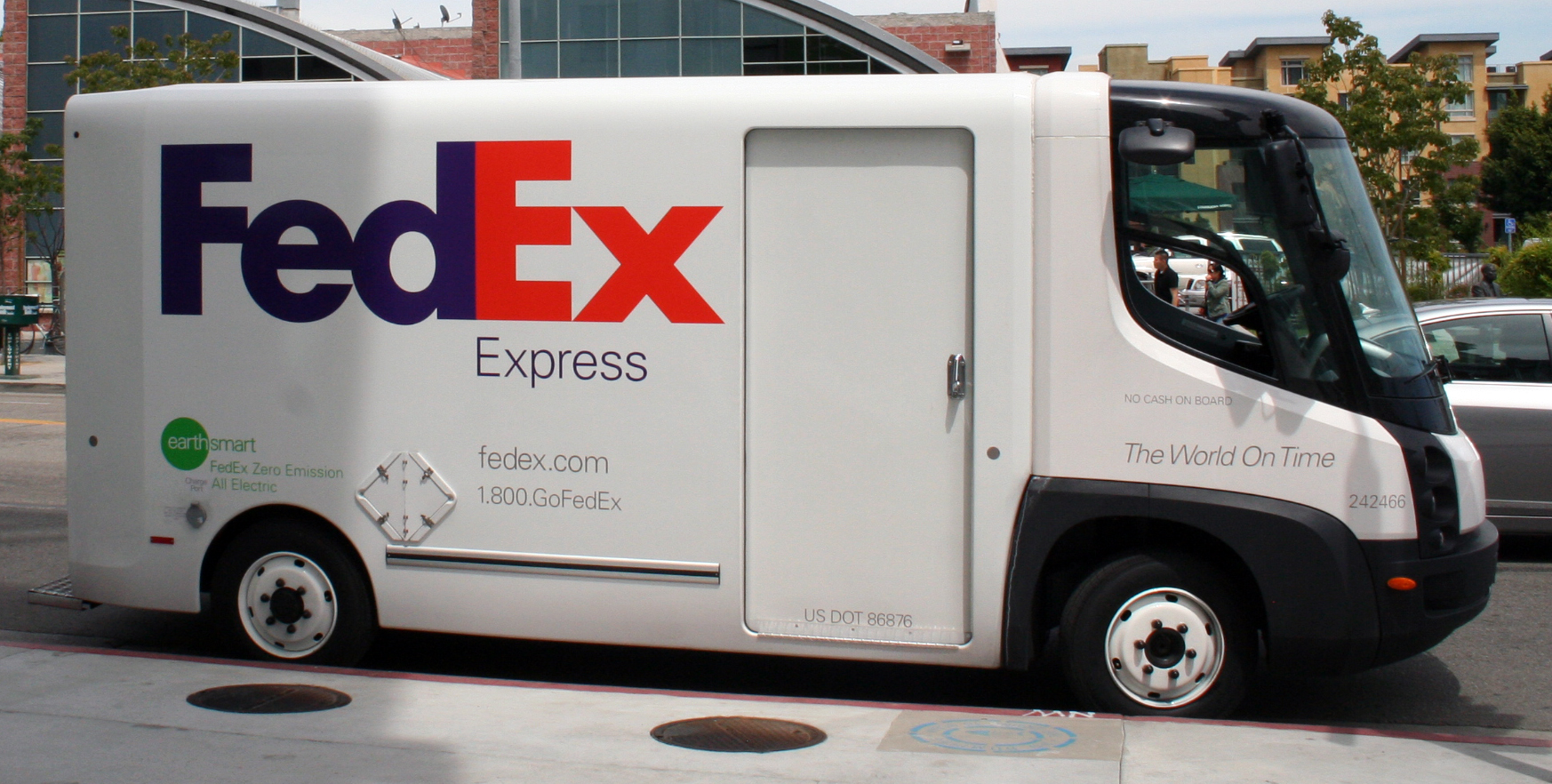
Archive photograph: a FedEx electric delivery vehicle in Los Angeles in 2010. It is not a Harbinger truck or a vehicle from this order. Photo: Mr.choppers, Wikimedia Commons, CC BY-SA 3.0; unchanged. Attribution and license links appear below.
Harbinger has announced a FedEx order for 2,000 electric trucks valued at more than $300 million, intended for pickup and delivery operations in the United States and Canada. An order is a purchasing commitment, not a count of trucks already working routes. The announcement is a useful prompt for smaller fleets: prepare the operating plan before treating electric vehicles as a straightforward replacement purchase.
Start with one route you can describe accurately
The U.S. Department of Energy’s Alternative Fuels Data Center recommends evaluating vehicle use and charging requirements together. For an operator, the practical starting point is a route record. Write down distance, operating hours, where the vehicle parks, and how much time it actually remains there. Include the variations that dispatch already handles, rather than presenting only the easiest day as the representative assignment.
Our suggested worksheet has one row per route and a separate column for exceptions. A vehicle returning late, changing drivers, or taking an additional run should remain visible in the plan. That worksheet is a way to organize questions for a supplier; it does not establish whether a particular electric truck has enough range. Ask the vehicle provider to evaluate the documented assignment before selecting equipment.
Put vehicle delivery and charging on the same calendar
DOE guidance calls for early coordination with the utility, vehicle supplier, charging vendor, and construction contractor. The reason is practical: purchasing a vehicle and preparing its parking location are connected tasks. A delivery appointment alone does not tell a fleet when the charging installation will be available, inspected, or ready for use.
Build a calendar with named owners for the vehicle order, site assessment, utility review, equipment purchase, installation, and commissioning. Request written dates and distinguish confirmed milestones from estimates. If one milestone moves, revisit the assignments that depend on it. This is a proposed project-management tool, not a description of FedEx’s rollout or a claim about any particular depot.
Ask about the bill, not just the charger
Electricity planning includes both the energy used and the way charging affects demand. DOE notes that charging multiple vehicles at high rates can create demand charges. A fleet should therefore ask its utility to explain the applicable rate structure using the proposed charging schedule. A residential electricity price or a nationwide average is not a substitute for that conversation.
Request a comparison that keeps assumptions visible: which vehicles charge, at what times, for how long, and under which tariff. Have the equipment provider explain whether management software is included, what it costs, and who operates it. These questions help make quotations comparable. They do not promise savings or establish a payback period for an individual fleet.
Make service responsibility a purchase question
DOE also recommends checking local maintenance support, warranties, and training. Ask who services the vehicle during and after its warranty, where that work takes place, and how the fleet’s technicians will be prepared. Charging equipment deserves its own written support arrangement, including responsibility for repairs and the provider’s response commitments.
Separate the vehicle, charger, and charging-network responsibilities in the handover file. A single contact list should identify whom dispatch calls for each kind of problem. Ask suppliers to explain the arrangements in ordinary language before signing. Do not assume that a vehicle warranty also covers every component of the charging installation or the operation of an outside network.
A checklist for the next supplier meeting
- Bring actual route and parking records, including exceptions.
- Ask the vehicle supplier to assess the proposed assignment.
- Confirm charging compatibility with both equipment providers.
- Request the utility’s rate and capacity assessment.
- Align vehicle delivery with installation and inspections.
- Document service, training, and equipment ownership.
- Set a review date before expanding beyond the initial deployment.
For a small fleet, the useful lesson is to turn an industry announcement into specific questions, not to copy another operator’s purchasing scale. Keep expectations separate from measured operating results. Preserve the original route assumptions so that the eventual review can compare the plan with actual use, rather than rewriting the baseline after delivery.
Follow more Truck Savers News fleet coverage as equipment orders become operating deployments.
Original source: Harbinger order announcement. Planning reference: U.S. Department of Energy, Electric Vehicles for Fleets. Photograph: Mr.choppers / Wikimedia Commons, CC BY-SA 3.0.
