F-150 Seats: Check Recall 26S74 by VIN
Certain F-150 front seats need a recall inspection. Check the VIN now and confirm the dealer visit before waiting for a letter.
Certain 2025–2027 Ford F-150 pickups are covered by a front-seat recall, and owners can check the vehicle identification number now rather than wait for the expected October 26 notification mailing. NHTSA campaign 26V655000, Ford number 26S74, lists 2,276 potentially affected vehicles. The concern is that front seats may not have been properly secured to the vehicle. Dealers will inspect and tighten, or replace, the front-seat bolts as necessary, without charge.
Start with the actual pickup
The model-year range does not establish that every F-150 from those years needs this work. NHTSA's record says the relevant VINs became searchable on October 9. Use the official recall search or ask a Ford dealer to check the specific truck. Ford's customer-service number listed in the campaign is 1-866-436-7332. Keep the manufacturer number and the NHTSA number together so a service conversation concerns the correct campaign.
A fleet can make this manageable with a short unit-by-unit review. Match the VIN to the pickup's internal unit number, identify who will contact the dealer and record the date of the inquiry. This is a suggested organizational method, not an additional document required by the recall. Its value is simple: the person booking the visit and the person assigning the truck can refer to the same vehicle.
The letter date is not an appointment
October 26 is the expected mailing date in the federal campaign record, not a confirmed repair date for an individual owner. Ask the dealer about the truck's current recall status, the work it needs and appointment availability. Do not convert a general notification schedule into a promise that every service department will have the same opening or that a particular pickup has already been inspected.
When booking, explain how the pickup is used and when it is normally available. Ask what the dealer needs from you and whether it can estimate the visit's duration after identifying the vehicle. For a small business, that conversation helps avoid assigning the same unit to a delivery and a service visit at the same time. It does not establish a universal downtime estimate.
Keep inspection and repair distinct
The remedy has an inspection step and allows tightening or replacement as necessary. That is different from saying that every affected vehicle will receive identical parts. Let the dealer identify the work applicable to the unit. This article does not provide a bolt-tightening sequence, a torque specification or a way to certify the seat attachment at home.
Describe any concern to the service department in ordinary terms and ask for its instructions for the vehicle. A recollection that another pickup felt similar is not a substitute for the campaign check. Likewise, an owner seeing a seat that appears normal has not, by that observation alone, established whether the recall is open or completed. Keep the status tied to the vehicle record.
Give dispatch a clear handoff
Once a visit is arranged, communicate the confirmed appointment and the person responsible for returning the truck to the operating schedule. If a substitute pickup is needed, identify that unit separately. Avoid carrying the original vehicle's recall status over to a replacement simply because both are F-150s. Each pickup has its own identification and service history.
A useful working note can distinguish an inquiry made, an appointment booked and work documented as completed. Those are three different stages. This suggested format reduces ambiguity when more than one employee handles the vehicle. It also keeps an appointment reminder from being mistaken for evidence that the campaign work was performed.
A practical service checklist
- Match the exact VIN and unit number before making the inquiry.
- Ask about both identifiers: Ford 26S74 and NHTSA 26V655000.
- Confirm the appointment, applicable work and any instructions with the dealer.
- Coordinate vehicle availability with the person assigning trips.
- Keep the service record and verify the resulting campaign status.
After the visit, compare the service document with the vehicle and campaign discussed. If a status remains unclear, ask the dealer to reconcile it rather than assuming a booking or a general maintenance receipt closes the recall. The preventive step is an identified truck, the correct campaign and a documented result. It lets an owner address this specific issue without turning a model-year headline into an unsupported conclusion about every pickup.
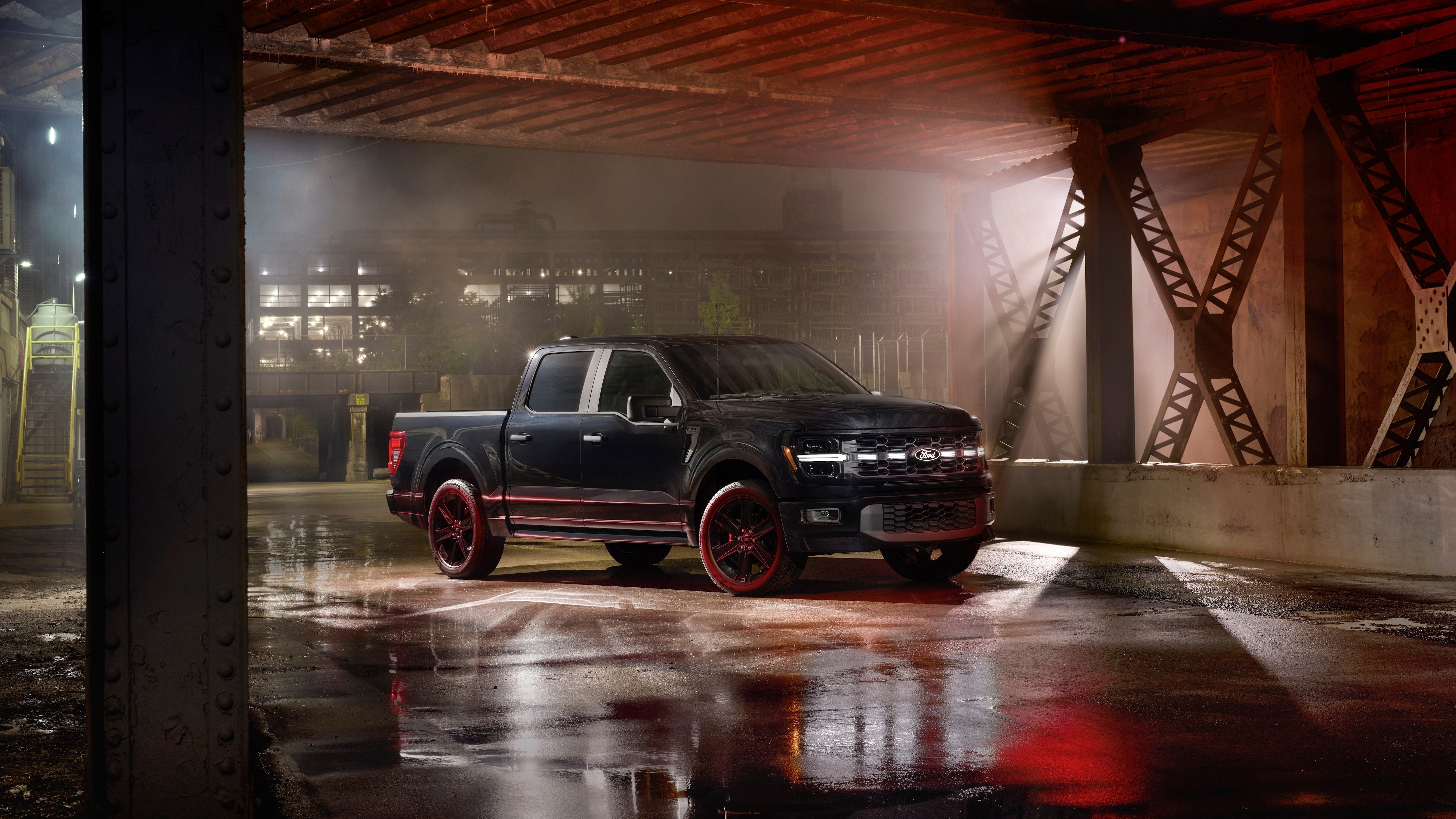
Illustrative archive photograph: 2025 Ford F-150 Lobo. The pictured vehicle is not identified as affected by this recall. Ford Motor Company / Ford From the Road. Editorial use.
More pickup news and practical checklists.
Original source: NHTSA 26V655000 / Ford 26S74, record checked October 17, 2026.