F-150 Flat Towing: Transmission Neutral Is Not Enough
Moving an F-150 is different from pulling a trailer. Match the 2025 4x4 recreational-tow procedure to the actual pickup.
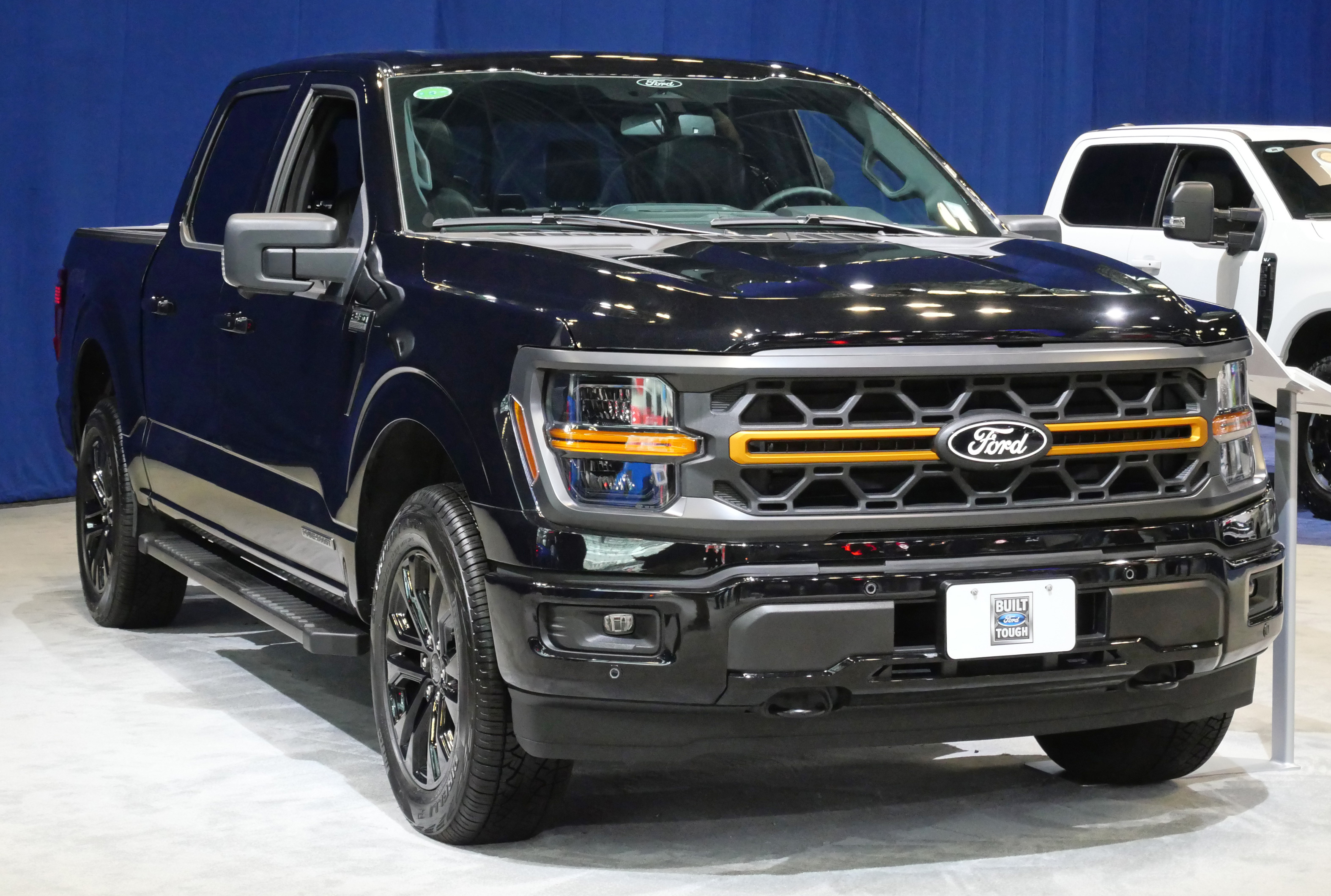
Illustrative photograph: File:2025 Ford F-150 XLT Super Crew, front NYIAS 2025.jpg. Credit: Kevauto; photograph source, CC BY-SA 4.0. Unmodified. The photograph does not establish drivetrain equipment or operating condition.

Putting an F-150 behind another vehicle is a different job from using it to pull a trailer. The 2025 F-150 owner’s manual has a dedicated recreational-towing procedure for 4x4 trucks. Before arranging a trip behind a motorhome, establish which instructions apply to the actual pickup rather than relying on the position of its transmission selector.
Ford’s central distinction is that all-wheels-down recreational towing requires the transfer case’s neutral position and the recreational tow feature. Transmission neutral alone does not establish that condition. The manual also warns against disconnecting the battery during this operation and identifies a risk of the vehicle rolling when transfer-case neutral is selected.
Identify which vehicle is doing the towing
A trailer-capacity figure answers a question about what the pickup can pull. It does not answer how the pickup itself can be transported. On a trip-planning worksheet, write the F-150 under “vehicle being towed” and identify the towing vehicle separately. That simple distinction keeps a conversation about hitches or trailer weight from replacing the manual section you actually need.
Consider a hypothetical owner who changes motorhomes but keeps the same pickup. A familiar connection routine can make the entire arrangement feel familiar. Treat the change as a reason to recheck the complete combination, including instructions for the towing apparatus. This is a planning example, not a reported incident or an assertion that any particular attachment is suitable.
Match the manual to the pickup in front of you
Start the file with model year, vehicle identification number and confirmed configuration. If the drivetrain is uncertain, ask an authorized Ford dealer to identify it before selecting a procedure. A photograph, trim badge or seller’s description should not become your only evidence that a particular section applies. Keep the applicable manual available to whoever will perform the setup.
For a shared vehicle, write down where that document can be found. A page saved on the owner’s phone is little help if a different driver is handling the handoff. An office copy can identify the correct section and the contact responsible for unresolved questions without pretending to replace the manufacturer’s complete operating instructions.
Keep setup and confirmation together
Ford provides a specific confirmation message for the enabled recreational-tow condition. Read its wording in the applicable manual and understand when it must appear. Do not replace the complete procedure with a remembered button sequence from another model year. This article deliberately does not compress the activation or deactivation sequence into a universal checklist.
In a hypothetical handoff, one person connects the equipment and another prepares to depart. Assign responsibility for confirming the manufacturer’s required state, rather than assuming the previous person completed it. If the expected indication is absent or the procedure cannot be completed, pause the handoff and resolve the condition through the appropriate instructions and qualified support.
Plan the arrival as carefully as departure
The pickup’s role changes again at the destination. Your trip file should identify who will handle the transition from being towed to normal operation, where the relevant instructions are stored and which questions still need an answer. Releasing equipment and returning the vehicle to driving condition should not depend on a casual assumption that the departure procedure simply runs backward.
For an illustrative fleet relocation, imagine the pickup arriving after the office has closed. The person receiving it may have no part in the original setup. Giving that person the correct document and a named contact is more useful than a note saying only “ready to go.” Do not label an unresolved operating state as ready merely to close a dispatch task.
Separate the quote from technical approval
A written price for transporting the pickup is not itself confirmation that the proposed method is compatible. Ask the provider to identify the method and the vehicle details used when preparing the quote. Keep equipment questions, vehicle instructions and commercial terms as separate items in the file so an agreement on price cannot silently settle an unanswered technical question.
When comparing offers, include only costs you can document. A hypothetical alternative may require different equipment or a different pickup arrangement; confirm those details before deciding one offer is cheaper. This guide supplies no towing distance, speed allowance, equipment rating or assurance of coverage for a particular contract. Those belong to the applicable documents and confirmed arrangement.
A departure checklist for the paperwork
- Identify the pickup and its confirmed configuration.
- Locate the complete manufacturer procedure for the chosen method.
- Identify the towing apparatus and its applicable instructions.
- Assign setup, confirmation and arrival responsibilities.
- Leave unresolved compatibility or operating questions open until answered.
These are TSN’s administrative checks, not replacement operating steps. They are useful precisely because they keep the source instructions attached to the job. Record the date of the document review and retain later changes. If a qualified provider recommends a different method, update the entire arrangement rather than keeping a mixed set of old and new instructions.
Find support before the travel day
Use Truck Savers Finder to research businesses before arranging support, then confirm their capabilities directly. A directory listing does not establish Ford authorization or flat-towing expertise. The practical result to seek is an identified vehicle, the right complete procedure and a handoff that leaves nobody guessing about the pickup’s operating state.
Original source: Ford, 2025 F-150 Owner’s Manual, Recreationally Towing Your Vehicle, printed page 476 onward. Planning examples and administrative checklist are TSN editorial guidance.