Border Collapse: EPA 2027 Emissions Mega-Operation Unleashes Chaos and Million-Dollar Fines
The new EPA regulations for 2027 are already causing havoc at customs. Delays of over 12 hours, exhaustive inspections, and the collapse of spot rates.
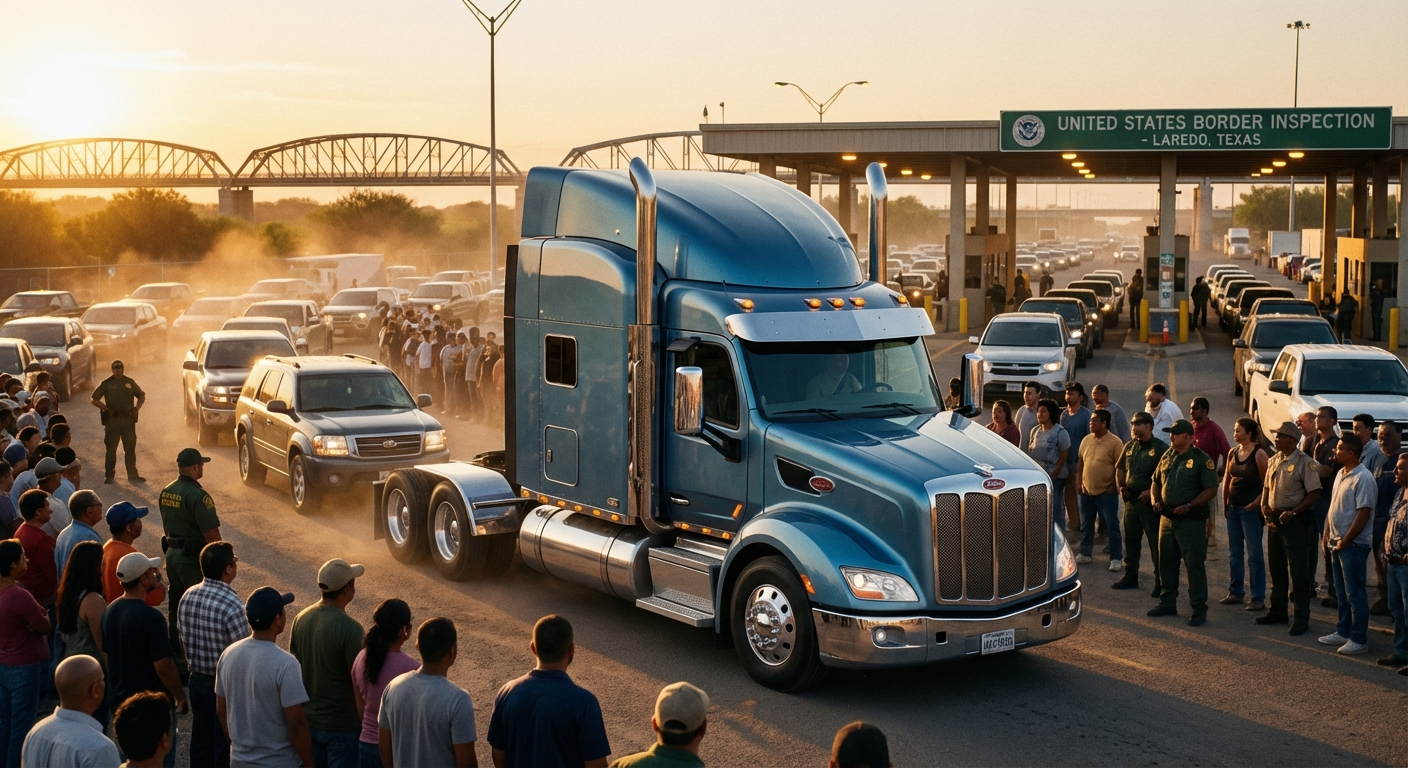
🚨 The Perfect Storm: EPA 2027 and the Collapsed Border
What seemed like a future concern is already a harsh reality for thousands of truckers at the southern border. In an unprecedented coordinated effort, the Environmental Protection Agency (EPA) and the FMCSA have launched an "Early Verification Mega-Operation" for Phase 3 of the greenhouse gas (GHG) emission standards. The official goal is to ensure the transition to cleaner technologies, but the result on the asphalt is absolute logistical chaos at major border crossings in Texas and California.
Since the first week of April 2026, inspectors are diverting up to 40% more trucks to deep inspection bays. They are looking for tampering in DPF (Diesel Particulate Filter), DEF (Diesel Exhaust Fluid) systems, and EGR valves. Delays, which normally averaged 3 to 5 hours, have skyrocketed to up to 14 hours at ports like Laredo and Otay Mesa.
📊 Hard Data: Spot Rates, Fines, and the Impact on Your Wallet
The economic impact for the independent owner-operator and small fleets is devastating. According to real-time data from DAT Freight & Analytics, effective capacity at the border has dropped by 18% due to trucks trapped in inspections or placed out of service. Paradoxically, even with fewer trucks available, the overall excess capacity in the US market has prevented spot rates from rising enough to compensate for lost hours. Average rates leaving Texas barely exceed $1.85 per mile, a figure that does not cover the costs of sitting idle burning diesel.
Fines are another direct blow to the wallet. Penalties for emissions tampering (the famous "deletes") have become draconian. A first offense now carries fines ranging from $4,000 to $11,000 per vehicle, plus an immediate Out of Service (OOS) order. If the truck needs to be towed, add another $1,500. The FMCSA has reported that Part 393.83 (Exhaust Systems) violations have jumped 300% in the past month.
🚛 The Mechanical and Human Stress of Idling
The impact is not only financial; the mechanical stress on the equipment is brutal. Sitting for 12 hours in the customs line with the engine running to maintain A/C (especially with the Texas spring heat approaching 90°F) is a premature death sentence for the engine. Excessive idling clogs DPF filters faster, causing constant forced regenerations, oil dilution, and accelerated cylinder liner wear.
For the driver, the situation is an exhaustion nightmare. Hours of Service (HOS) are burned in line, leaving barely enough legal drive time to deliver the load. Fatigue accumulates, and dispatcher pressure doesn't help. This is where mechanical and technological readiness makes the difference between going broke or surviving in this unforgiving market.
🛠️ Conclusion: Protect Your Investment and Slash Costs
With inspections focused on emissions and idling time becoming a money pit, truckers need immediate solutions. You cannot risk a badly worn tire or a suspension issue putting you on the FMCSA inspectors' radar before you even hit the scales.
At The Truck Savers, we perfectly understand what's at stake. Before your next trip, bring your truck to our shop for an inspection with "La Bailada," our advanced road simulator that shakes the truck to find hidden suspension and steering issues. Pair it with "La Quiropráctica," our computerized alignment, to ensure your tires track perfectly, saving fuel and avoiding unwanted inspections for irregular wear.
But the real game-changer for surviving border waits is eliminating idle time. A Go Green APU is the smartest investment you can make today. With an APU, you can shut down the main engine during those 12-hour lines or rest periods, keeping the cab cool and batteries charged while burning a fraction of the diesel. Furthermore, you drastically reduce DPF system clogging, keeping you out of trouble with the EPA. Protect your profitability, save your engine, and keep rolling with the confidence of the experts.
📺 Noticiero Truck Savers en YouTube
Mira la cobertura completa en nuestro canal con más de 20,000 videos educativos. Suscríbete al canal →