EIA Survey Prices: Match Dates Before Comparing
EIA's diesel survey has a defined price basis. Match the survey date, region and payment terms before comparing a receipt.
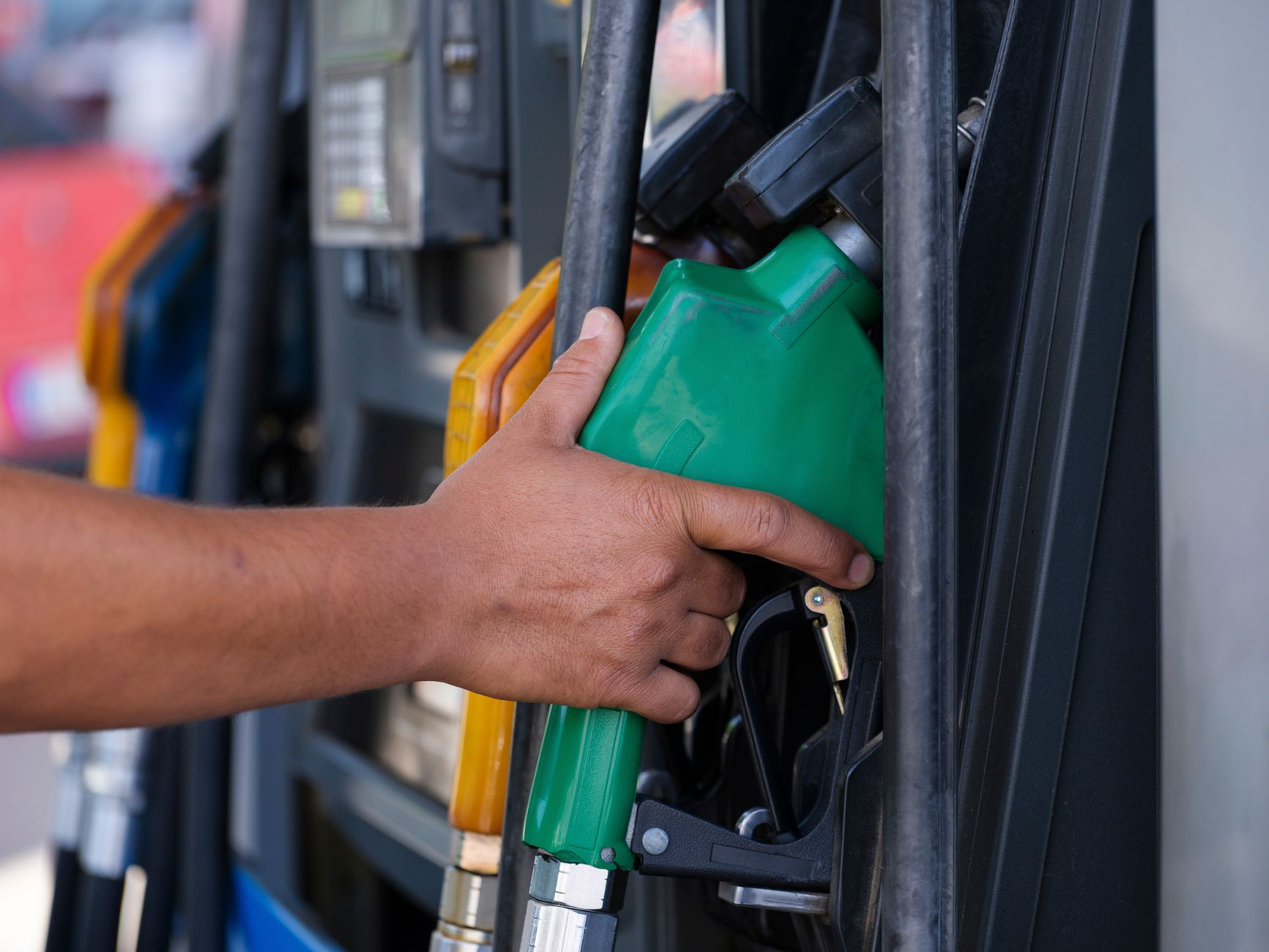
A diesel receipt and the weekly EIA average answer different questions. The receipt documents one purchase; the survey estimates a market price under a defined set of conditions. Before calling the difference a saving or an overcharge, match the date, geography and payment basis. For an owner-operator, that comparison can make a fuel-cost review more useful without pretending that a national average is the price available at the next exit.
Know which price the survey collects
The U.S. Energy Information Administration describes its weekly measure as the cash, self-service pump price of on-highway diesel, including taxes, at 8 a.m. local time on Monday. It collects prices from a sample of truck stops and service stations in the contiguous United States. Its national, regional and California estimates are volume-weighted averages. These are features of the survey, rather than a promise about an individual fuel stop.
Start a comparison sheet with the name of the series and the date it represents. Place the receipt beside that entry, with the purchase date and location visible. If the dates differ, retain the difference in the record. Moving the two figures into the same spreadsheet row does not make them observations from the same day. A comparison should help identify what to investigate, rather than erase the conditions behind each number.
Keep geography attached to the figure
Select the published geographic measure that you actually intend to use. Write its full name beside the price. A regional estimate is not a verified city quote, and an average for the United States is not a Texas or Houston price. If the source does not publish the location you need, record that limitation rather than attaching a familiar city name to a broader number.
This matters when a small fleet reviews purchases made on different routes. One driver may have bought fuel in a different part of the country or at another point in the week. Keep those details available before ranking purchases. The comparison can show which records deserve a second look; it cannot establish why a particular station charged a certain amount without information about that transaction.
Separate the pump quote from the settled cost
Record how the purchase was paid and which amount is being compared. A displayed pump price, a receipt total and a later account adjustment should have separate labels. If a discount or another transaction item appears in your records, identify it from the actual statement. Do not assume a credit-card purchase or a fleet arrangement has exactly the same terms as the cash price described by the EIA survey.
For an internal review, keep gallons, fuel charge and any other recorded items in separate fields. A total charge divided by gallons may be useful, but first decide which items belong in that total. Retain the original receipt so another person can reproduce the calculation. When an amount is unclear, leave the comparison provisional until the transaction record explains it.
Calculate the difference without claiming a result
Consider a purely hypothetical comparison: one figure is $4.10 per gallon and another is $3.90, for 100 gallons. The difference is $0.20 per gallon, or $20. These are invented teaching figures, not current EIA prices or a fuel quote. The arithmetic shows the size of a difference; it does not prove that a driver could have purchased those gallons at the lower figure.
After calculating, ask whether the comparison uses the same product, period and cost basis. If an alternative stop would require a route change, review that separate decision with real information from the operation. The survey does not establish station access, a current discount or the cost of a detour. Avoid turning a benchmark calculation into a purchase recommendation without checking the missing pieces.
Distinguish the observation date from release timing
EIA's current methodology page describes Tuesday publication, with Wednesday release on government holidays, while the prices still represent Monday. Keep the observation date and publication date separate when saving a report. This article explains the comparison method; it does not announce a new weekly price release or predict the next pump price.
- Identify the exact diesel series and geographic area.
- Record the date represented by the survey.
- Keep the receipt date, location, gallons and payment basis.
- Separate confirmed transaction adjustments from assumptions.
- Show the arithmetic and preserve its supporting records.
- Label unmatched conditions before using the result in a budget.
Read more practical operator guides at Truck Savers News.
Illustrative fuel-nozzle archive; not a surveyed outlet, identified fuel grade or current quote. Engin Akyurt / Pexels; Pexels License.
Original source: U.S. Energy Information Administration. Reviewed October 13, 2026.