EIA: November 16 Diesel Prices Fall to $5.937
EIA reports a lower November 16 diesel average. The benchmark helps compare fuel budgets, not promise a pump price.
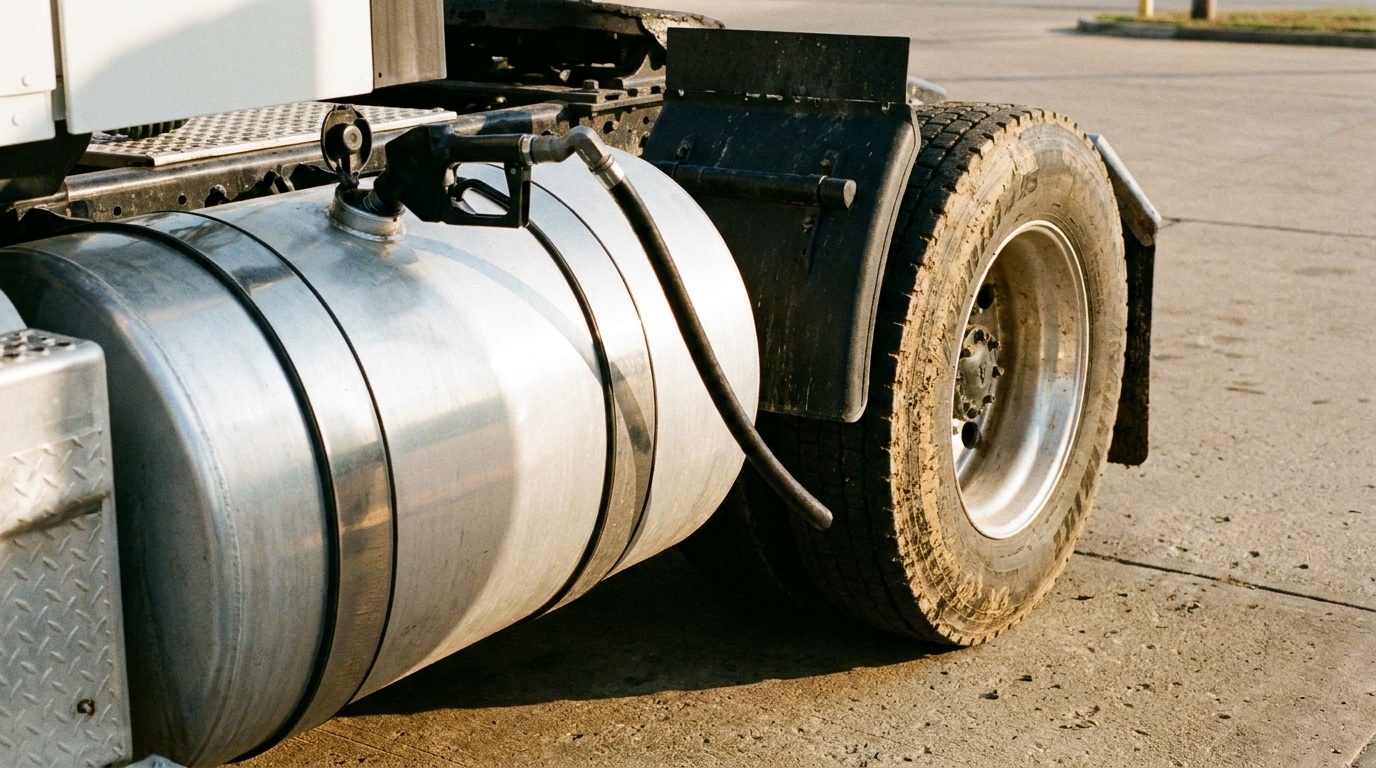
AI-generated editorial illustration; not a documentary photograph.
The U.S. Energy Information Administration reports a national on-highway diesel average of $5.937 per gallon for November 16, 2026, down from $6.127 on November 9. The 19-cent decline gives an owner-operator a new reference for the next fuel budget. It does not establish what a particular truck stop will charge or what a carrier will actually save.
This update was released November 17. Keep the observation date and release date together when updating a dispatch worksheet: November 16 describes the price observation, while November 17 identifies the release being consulted. Treating both dates as interchangeable can put the wrong weekly benchmark beside a fuel receipt.
A weekly comparison, with a clear boundary
The Gulf Coast regional diesel average was $5.547 per gallon, down from $5.741. California was $7.733, down from $7.897. These are different geographic measures. The Gulf Coast figure is not a Texas or Houston diesel price. EIA's displayed gasoline table includes Texas and Houston, but those gasoline rows must not be imported into a diesel budget.
The practical task is to compare like with like. Put the same geography, product and unit in adjacent columns, then write the difference in dollars per gallon. A regional average can help frame a lane budget; the actual amount spent still comes from gallons purchased and the effective price on the receipt. Discounts, transaction charges and buying arrangements belong in that receipt calculation.
Turn the movement into a transparent example
Here is a hypothetical budget calculation, not an observed fleet result. If a truck purchased 150 gallons at a price exactly 19 cents lower, the purchase would cost $28.50 less: 150 multiplied by $0.19. At the two national benchmarks, those illustrative totals would be $919.05 and $890.55. Real purchases need not match either total.
Keep the assumed volume visible. A smaller purchase produces a smaller dollar difference, and a different local price movement produces a different result. Do not put the example in an operating report as money already saved. Replace both assumptions with receipt data before describing an actual change in cost.
A useful worksheet therefore has separate lines for the EIA reference, the quoted local price and the completed transaction. This makes it possible to explain why a national decline did not appear at the same size on a particular fuel-card statement. It also prevents a budget assumption from quietly becoming an accounting fact.
Compare the purchase plan with the route
Before choosing a stop, assemble the information already available to the dispatcher: planned route, fuel needed, quoted effective price and any extra travel associated with the stop. A cheaper displayed gallon is only one input. The purpose of this comparison is to make the decision inspectable, not to prescribe a longer detour or a lower operating reserve.
For a small fleet, use one completed trip as a worked record. Keep the original planned purchase beside the actual stop and receipt. Note why the driver changed the plan when applicable. An explanation such as an unavailable dispenser is more useful than silently replacing the original forecast after the trip has ended.
A compact checklist for this release
- Label the benchmark as on-highway diesel, dollars per gallon, including taxes.
- Record November 16 as the observation date and November 17 as the release date.
- Use national, Gulf Coast or California figures only under their correct geography.
- Keep hypothetical gallon calculations separate from completed purchases.
- Reconcile actual gallons and effective price to the fuel receipt.
- Preserve the earlier budget so the comparison can be reviewed later.
Assign an owner to that last step. A worksheet which is updated without preserving its earlier assumptions cannot explain whether the difference came from price, gallons, routing or a changed purchase date. Even a simple dated copy is more informative than a total with no supporting inputs.
Use the benchmark without promising a result
The new weekly reading supports a fresh budget comparison. It does not prove improved margins, a particular customer's payment or future fuel prices. Evaluate the completed trip using its own records, and keep preventive maintenance decisions tied to the vehicle's requirements rather than a weekly market move.
For related preventive maintenance planning, review The Truck Savers™. The purpose is to prepare the maintenance conversation; this price report does not certify a repair, quote or saving.
Original source: U.S. Energy Information Administration, November 17 release.