Dual Tires Need Matched Dimensions
Dual tires need more than a matching size label. Ask the service provider to document the pair before replacement.
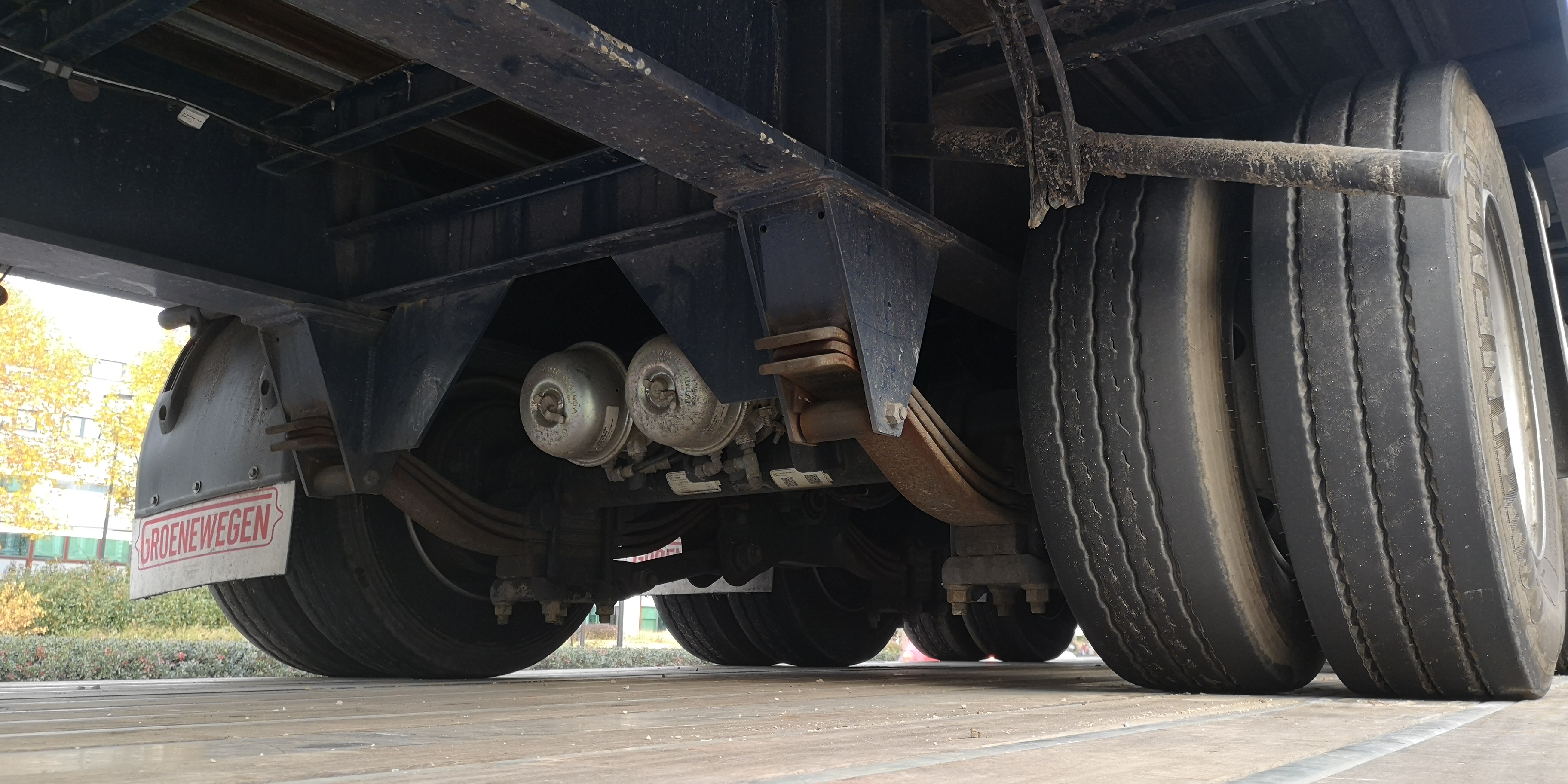
Replacing one tire in a dual assembly raises a second question: what happens to its partner? The size printed on the sidewall is useful identification, but it does not establish that two tires make an acceptable working pair. Before approving a replacement, ask the service provider to document the proposed pairing. The immediate task for an owner-operator is to obtain a clear service decision and a usable record, rather than infer compatibility from a photograph or a familiar size.
Ask which matching standard applies
The Dayton safety guide published on Bridgestone's commercial website calls for dual tires to match in construction and dimension. Its radial-tire guidance gives a maximum difference of one-quarter inch in diameter and three-quarters inch in circumference. These are manufacturer reference limits, not measurements to estimate by eye or a universal approval for any two tires. Have the responsible technician identify the instructions applicable to the actual products and assembly.
Michelin's commercial fitment guidance separately identifies load capacity, wheel compatibility, axle position, dual spacing and inflation requirements as replacement considerations. That broader check matters when someone proposes a different product or size. A matching nominal size cannot answer every application question. Keep the technical evaluation with the qualified service provider; this article supplies a recordkeeping checklist, not mounting instructions or a pressure specification for your vehicle.
Make the work order identify both tires
A useful service record should let another person understand what was evaluated without recreating a telephone conversation. Ask for the vehicle or trailer number, axle and side, plus the inner or outer position being replaced. Record the complete identity of the proposed tire and its existing partner. Add the date, mileage if available and the name of the shop responsible for the decision.
- Identify the tire being removed and the reason recorded by the technician.
- Identify the companion tire that remains in the assembly.
- Ask which measurements and product instructions support the pairing.
- Keep any open questions visible until the provider answers them.
- Save the final work order with the vehicle's maintenance records.
This is an editorial worksheet, not a required government form. Its value is practical: it distinguishes a tire that was merely quoted from a pair that was actually evaluated. A photograph can help show a position or sidewall marking, but it should supplement the service record rather than stand in for dimensional measurements or an inspection.
Separate a quote from a service conclusion
Consider a hypothetical call in which a supplier offers one replacement tire at an attractive price. The office has only the size and an availability message. The missing question is whether that offer includes evaluation of the companion tire and the assembled fitment. Ask before authorizing the work. An inexpensive item and an acceptable pair are different decisions, even when both appear on the same invoice.
Request a written distinction between confirmed observations and proposed work. For example, a message saying that a tire is available is an inventory statement; it is not the same as a technician documenting that the proposed combination meets the relevant instructions. If another tire is recommended, ask the provider to explain the finding and the scope of that recommendation. Do not assume that every single replacement automatically requires buying two.
Keep inflation questions separate and specific
Michelin's load-and-inflation reference distinguishes single and dual configurations and instructs users to match the tire's sidewall markings to the appropriate table. It also warns that actual load and pressure must stay within wheel limits. Consequently, neither the number in another truck's service message nor a generic internet answer establishes the correct pressure for this assembly.
For the maintenance file, ask the provider to identify the applicable specification and the conditions under which readings were taken. Record what the technician reports without turning it into a fleetwide rule for different equipment. If a measurement, product identity or specification is missing, label the question unresolved. That wording is more useful to the next shift than an unexplained checkmark saying that everything was checked.
Close the handoff with evidence
Before closing the service conversation, compare the authorized scope with the completed work order. Confirm that both tire positions can be identified and that any additional recommendation has a documented reason. Keep the before-and-after records together. The goal is a traceable decision about this pair, not a general claim that a particular brand, tread pattern or photograph proves suitability.
Read more operator-focused maintenance reporting at Truck Savers News™.
Illustrative archive: Groenewegen semi-trailer dual wheels, Netherlands, November 10, 2021. The photo does not establish condition or suitability of a proposed replacement. Credit: Bertux, Wikimedia Commons, CC BY-SA 4.0, unmodified.

Additional references: Michelin commercial fitment guide; Michelin load-and-inflation data. Original source: Dayton tire safety guide, dual matching section.