DSV Laredo: Compare Warehouse Quotes by Scope
DSV lists its Laredo warehouse services. Check which space and handling tasks a written quote reserves for your load.
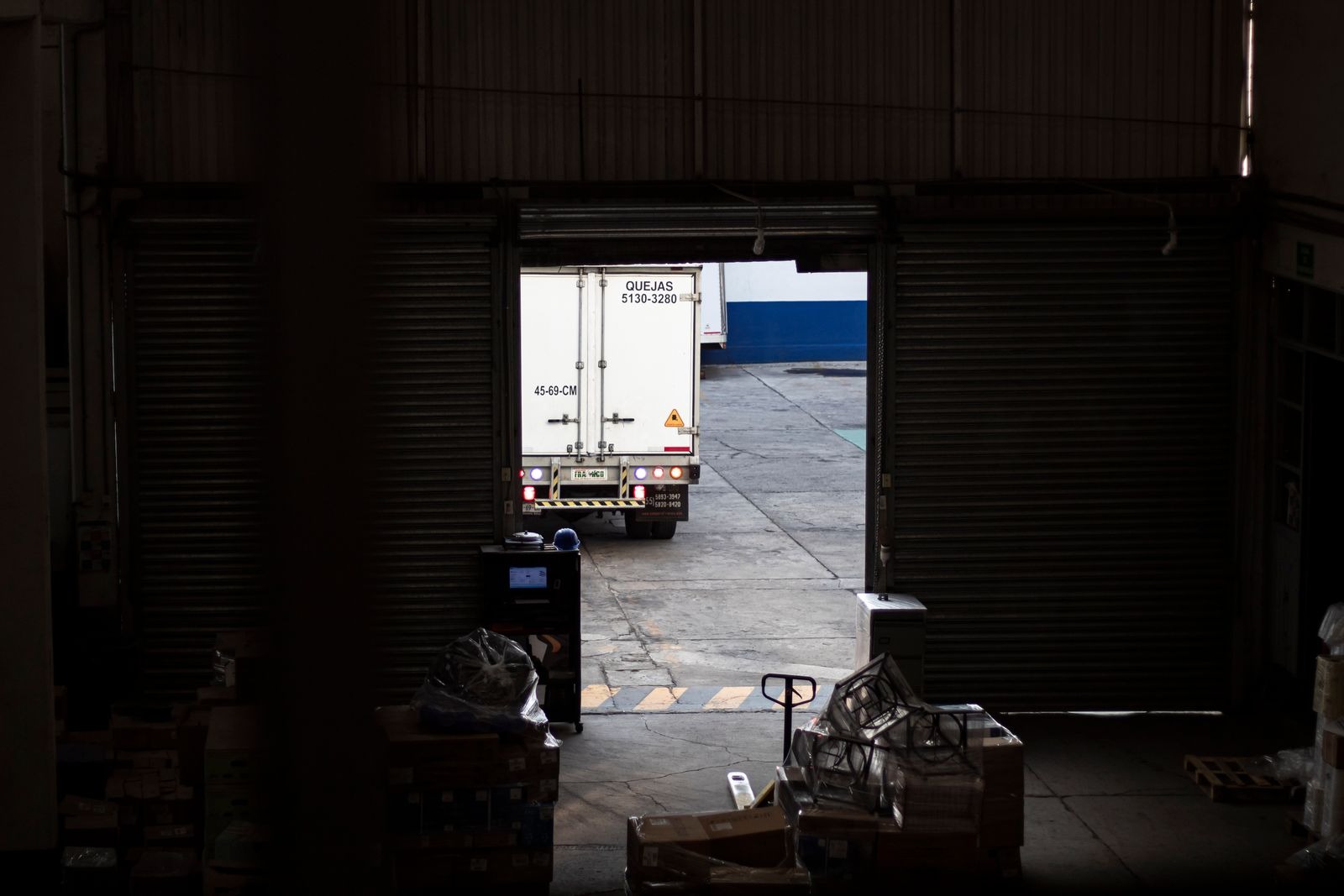
Illustrative warehouse photo: Juan R. Real / Pexels, Pexels License. Not DSV or its Laredo facility.
DSV lists an 853,000-square-foot multi-client warehouse at 1302 Uniroyal Drive in Laredo, Texas. Its facility page describes more than 105,000 square feet of FTZ and bonded warehouse space, 84 dock doors and three loading ramps. Those are site specifications, not a reservation for an individual shipment. A shipper still needs a written answer about the space and services its own operation will receive.
Start with the load, not the building
A warehouse comparison becomes more useful when the same load profile goes to every provider. Describe the commodity, packaging, unit count, weight, dimensions and expected arrival and release pattern. State which details are confirmed and which remain estimates. The aim is a comparable operating proposal, rather than several attractive descriptions answering different questions.
Keep three decisions separate: whether a facility offers a service, whether it can accept the particular load on the required date, and what the written agreement actually includes. A public facility page helps with the first question. It cannot supply the shipment-specific answers to the other two. Ask who will confirm those answers before dispatch makes a commitment.
Make the quotation describe an operation
Request a breakdown for receiving, storage, handling and outbound release. If the job also needs counting, relabeling or transfers, name those tasks explicitly instead of assuming they come with storage. This is a suggested quotation checklist, not a statement that DSV includes or charges separately for any particular activity. The provider's actual proposal must settle that.
For example, a hypothetical shipment might arrive together but leave in several smaller releases. Ask both bidders to price that same pattern. Otherwise, one proposal may assume a single outbound movement while another allows several. Neither headline figure explains the difference until the operating assumptions are visible. Use your expected quantities; do not substitute an invented industry average.
Treat the FTZ description as a question to resolve
Do not turn a facility label into a conclusion about a particular shipment's customs treatment. Bring the proposed movement and its documentation questions to the responsible customs broker and provider. Ask them to identify the applicable process and their respective responsibilities. This article does not determine eligibility, duty treatment or release authority for any load.
Likewise, keep warehouse instructions separate from the international transport plan. Confirm the receiving location, appointment contact and release instructions through the parties responsible for the actual move. A street address on a public page is useful for identifying a facility; it is not an appointment, a gate instruction or permission to send a truck there without confirmation.
Compare the assumptions behind the total
A simple worksheet can use four columns: service, charging basis, included quantity and unresolved question. Put each quotation against the same expected activity. If one item is missing, ask for clarification rather than recording it as zero. Keep optional services separate so a base proposal does not quietly become a different operating package during comparison.
Consider a hypothetical offer with lower daily storage but additional handling charges. Another offer might group those activities differently. The useful comparison is the expected total for the same work over the same period, using the providers' written terms. There is no universal winner in that example, and it supplies no market rate or forecast of savings.
Define the start and end of the storage period in the proposal. Ask how changes in quantity, release timing or customer instructions affect the quote. Record its validity date and the person authorized to accept extra work. These questions give your team a document to review; they do not establish a standard contractual term that every warehouse must use.
Six checks before the truck is assigned
Use a short internal check: confirm the appointment; identify who may authorize extras; match receiving and release instructions; record the quoted storage period; agree what evidence will document discrepancies; and define how customer changes will reach the provider. Assign an owner to each open item so that a blank field does not become somebody else's assumed responsibility.
Have dispatch read the scope after the commercial review. Ask whether the written proposal describes the move the driver will actually be assigned, including the intended receiving and release sequence. If the plan changes, return to the people responsible for acceptance. Avoid treating an earlier quote as a permanent approval for a materially different shipment.
The practical value of a large warehouse is the operation it can support under an agreed scope. Its size alone does not promise availability, a faster border crossing or a particular customer's lower bill. A specific written proposal is the next useful document, with unanswered questions marked openly rather than hidden beneath the facility's total square footage.
Looking for a service contact? Browse the TSN directory and verify the scope directly with the listed business.
Original source: DSV's Laredo facility page, checked October 23, 2026. The quotation checklist is original TSN editorial guidance.