DOT Investigates 75 CDL Schools for Suspected Fraud
FMCSA is investigating about 75 CDL schools. Suspected issues include false records or weak training, so drivers and carriers should verify providers now.
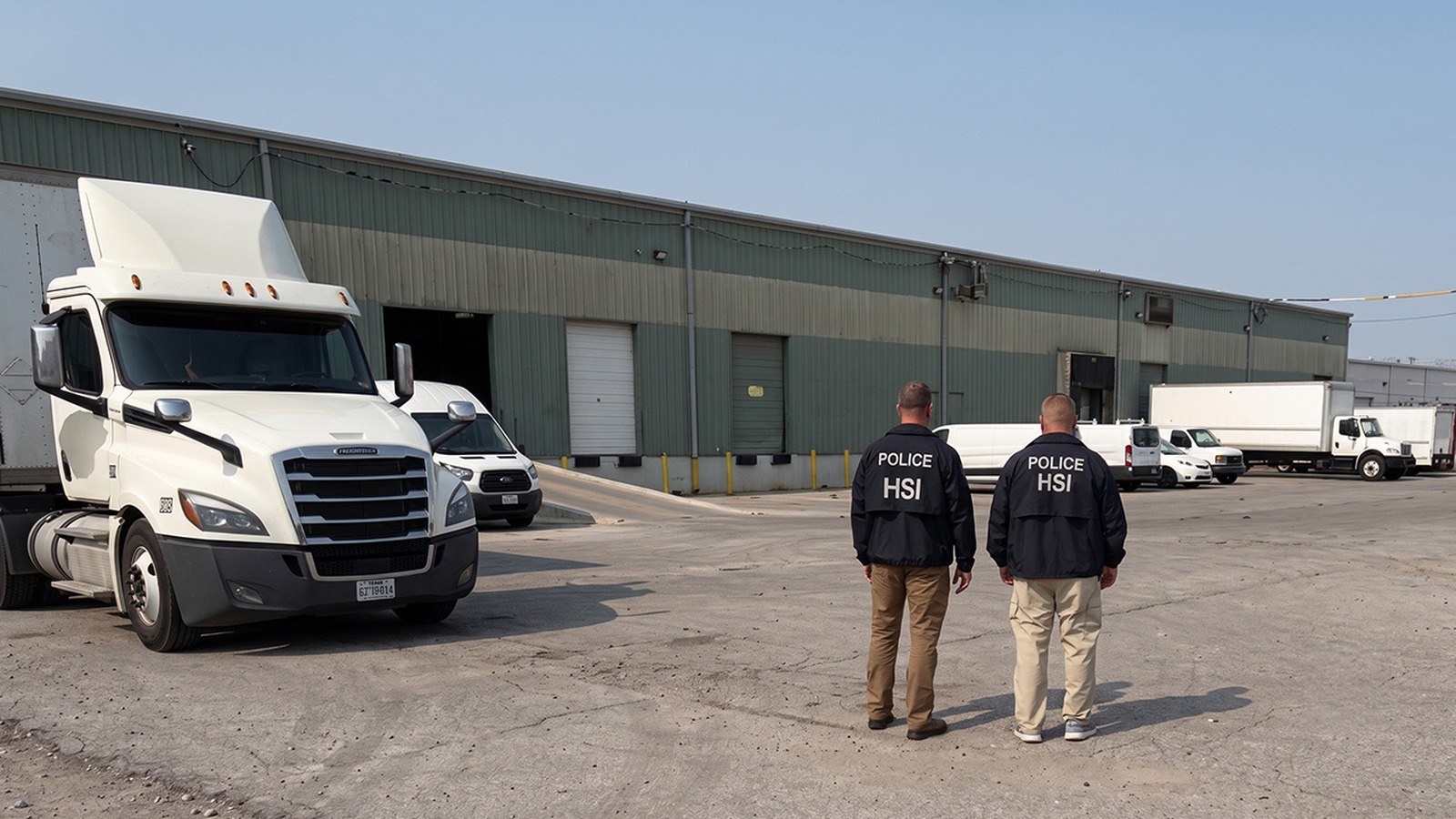
Federal regulators opened a joint investigation into about 75 entry-level CDL schools suspected of false records or inadequate training. The action also covers possible improper certifications and other violations. It matters to new CDL applicants, drivers who recently completed training, carriers hiring entry-level drivers and small fleets that cannot afford a preventable credential delay.
Check the school in the FMCSA Training Provider Registry and keep complete enrollment and completion records. The announcement describes allegations and an active investigation, not final findings against every school. It does not name the schools, cancel every credential connected to them or create a new nationwide deadline for CDL holders. The immediate decision for an operator is simpler: verify the training provider, keep complete records and do not assume that a certificate alone proves the school remains in good standing.
What changed in the CDL school investigation?
FMCSA says it identified about 75 schools in the Entry-Level Driver Training system for additional scrutiny. Homeland Security Investigations will support the federal motor-carrier agency as it examines possible improper certifications, false training records and failures to properly train applicants. State and local partners may also participate where a case requires them.
This is an enforcement action under existing CDL training oversight, not a new license class or a new road test. No general effective date was announced because the investigations are already underway. The schools remain suspected unless and until an agency completes its process and establishes a violation.
Who may be affected?
The clearest group is anyone choosing an entry-level training provider now. A student who pays a school that later cannot document required training may face delays, added tuition, repeated instruction or difficulty proving completion. A driver who already graduated should not assume the license is invalid; the announcement did not order a blanket cancellation. That driver should preserve enrollment papers, receipts, completion records and any state licensing correspondence.
Carriers and small fleets also have an operational reason to pay attention. A hiring file can become harder to defend when basic training records are missing or inconsistent. Employers should continue their normal driver-qualification checks, verify the license through the appropriate state process and complete applicable federal screening. The new investigation does not replace those duties, and a school certificate should not substitute for them.
What should a driver or carrier do now?
- Search the provider by its exact legal name in the FMCSA Training Provider Registry before paying or enrolling.
- Confirm that the school offers the correct training for the CDL class or endorsement being pursued.
- Ask how the provider documents theory and behind-the-wheel completion and when it reports completion.
- Keep the enrollment agreement, receipts, attendance information, completion documents and written communication.
- If the school disappears from the registry or cannot explain missing records, contact the state licensing agency and FMCSA before spending more money.
- Carriers should document each verification in the driver file instead of relying on a verbal assurance.
How can this affect cost, hiring and safety?
The direct cost can begin with lost time: a delayed application, repeated course, missed orientation or truck sitting without an eligible driver. The larger risk is making a hiring decision with incomplete information. The announcement does not quantify losses, so fleets should not assign a universal dollar figure. They can reduce exposure by verifying early and keeping a written trail.
Training quality also affects daily decisions behind the wheel. Record integrity cannot prove driving skill by itself, but it is one part of showing that required instruction occurred. Carriers should pair credential review with road testing, company orientation, supervision and clear maintenance-reporting procedures appropriate to the operation.
What the road hero should review
Credential readiness and truck readiness are separate. Before a route, review the CDL and endorsements, medical qualification where applicable, training records, employer documents and any agency notice. Then complete the vehicle check: tire pressure and visible damage, wheel ends, brakes, suspension, steering, lights, fluid levels, coolant, leaks and irregular wear. A clean training file does not excuse a mechanical defect, and a sound truck does not cure a credential problem.
Operators who need a documented equipment-condition review can consult The Truck Savers for service information. That inspection is separate from CDL-school verification and does not certify a driver or training provider.
Clear answers for drivers and small fleets
What changed? Two federal enforcement teams are coordinating investigations involving about 75 suspected schools. Who is affected? Current students, recent graduates, carriers and anyone selecting a provider. When does it take effect? The investigation is active now; no new universal driver deadline was announced. What should a carrier do? Verify the provider and license, preserve records and follow existing qualification procedures. How does it affect costs? Poor records can create delays, repeated training and hiring disruption, but no universal loss estimate has been published. How does it affect safety? The inquiry focuses partly on whether required training was properly completed and recorded.
Subscribe to Truck Savers News for verified CDL, FMCSA and carrier-compliance updates. The road does not forgive lack of prevention.
Original source
U.S. DOT: Federal partnership to investigate suspected fraud in CDL schools. Original date: July 16, 2026.