Diesel Prices & Iran Conflict: What Congress Actions Mean for Your Wallet
Congress is back, and diesel prices linked to the Iran conflict are top of their agenda. This could hit your fuel surcharge and operating costs directly.
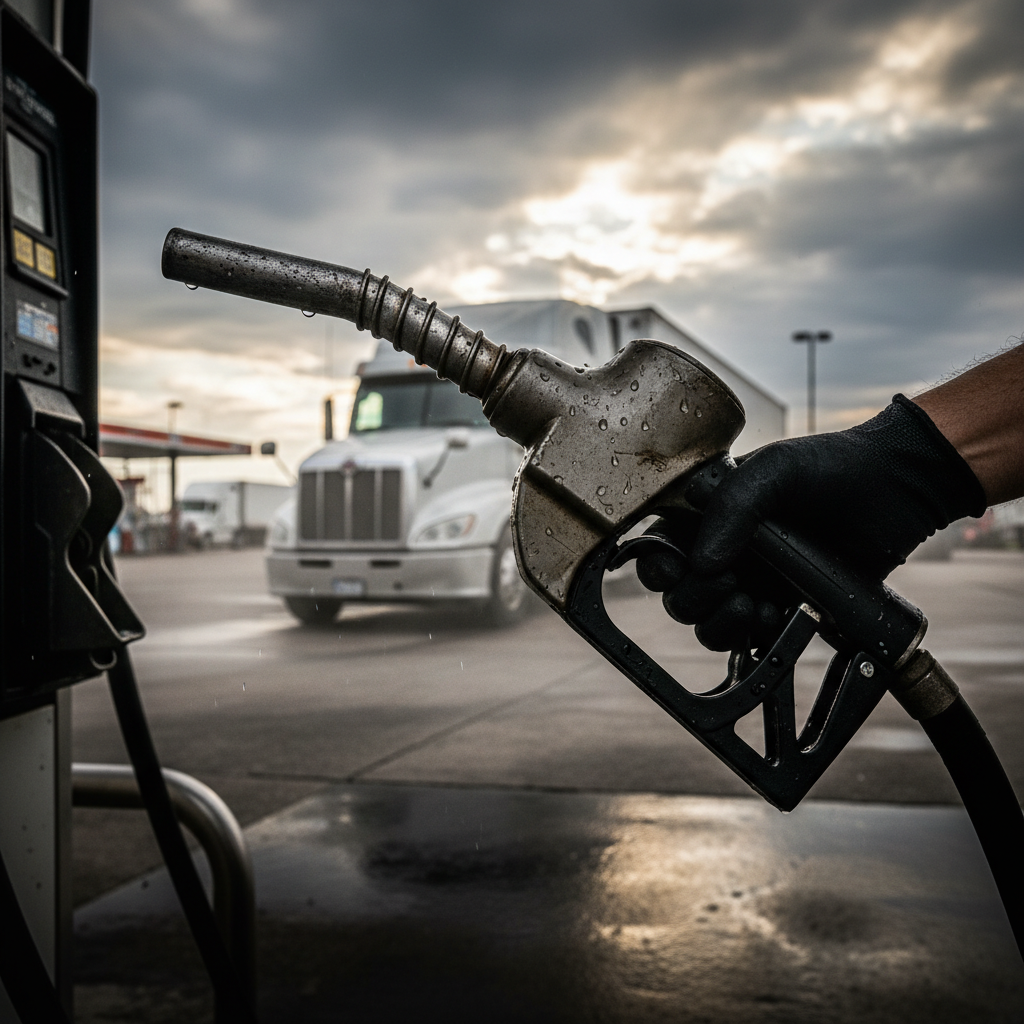
Diesel Prices Surging? Congress is Eyeing the Iran Conflict – Your Wallet is Next!
Alright, listen up, because what’s happening overseas and in D.C. is about to hit your bottom line. Gasoline prices are climbing thanks to the Iran conflict, and Congress is back in session, staring right at it. Why does this matter to you, a Class 8 driver or owner-operator? Because when gas jumps, diesel usually follows, and that means your fuel surcharge might not keep up, squeezing your margins tighter than a new tire on a rusty rim.
Geopolitics on the Open Road: Iran's Impact on Your Fuel Tank
The conflict in Iran isn't just a headline; it's a direct threat to global oil supply and, by extension, your wallet. When there's instability in a major oil-producing region, the market gets jumpy, and crude oil prices spike. We've seen this play out before, and it always means higher prices at the pump for diesel. Every cent increase per gallon eats into your hard-earned cash, whether you're running a few hundred miles or cross-country.
- Supply Shocks: Any disruption in the Middle East can cut off or threaten oil shipments, reducing global supply. Less supply, higher prices. Simple economics, brutal reality for us.
- Market Speculation: Traders react to the news, often driving prices up even before actual supply cuts happen. It's a gamble, and we're often the ones paying the house.
- Refinery Costs: Geopolitical tensions can also impact the cost of refining crude into diesel, adding another layer to the price hike.
Congress Steps In: What Are They Talking About?
With midterm elections looming, politicians are feeling the heat from angry voters paying more at the pump. Congress is back at it, and they're calling for 'clarity on policy' regarding energy and the conflict. What does that mean for us?
- Strategic Petroleum Reserve (SPR): They might consider tapping into the SPR to increase supply and bring prices down. This has happened before, but it's a short-term fix.
- Diplomatic Efforts: Talks to de-escalate the conflict could stabilize markets, but that's a long shot and moves slow.
- Domestic Production: Calls for increasing U.S. oil production might intensify, but ramping that up takes time and faces environmental hurdles.
- Fuel Tax Holidays: A less likely, but possible, move could be a temporary suspension of federal fuel taxes. Don't hold your breath, but it's been discussed.
The key here is that any action (or inaction) from Washington will ripple through the industry. Keep an eye on the news, because their decisions could directly impact your operating costs and how much you can put in your pocket.
The Bottom Line: Prepare for Higher Costs
While Congress debates, you're still out there burning diesel. The smart move is to brace for potentially higher fuel costs. Every mile counts, and every gallon saved is money in your pocket. Keep those tires properly inflated, plan your routes to minimize deadhead miles, and look into ways to cut down on idling. For more ways to keep your rig running smooth and your business profitable, check out The Truck Savers.
And speaking of saving fuel and cutting idle time, don't forget to check out Go Green APU. An APU can dramatically reduce your fuel consumption from idling, especially when you're waiting at a dock or taking your mandated rest. It's an investment that pays for itself in diesel savings.