Diesel Prices Ease, But Truckers Are Still Paying Heavy at the Pump
U.S. diesel prices moved lower this week, but at $5.523 per gallon, fuel remains one of the biggest pressures on owner-operators and small fleets.
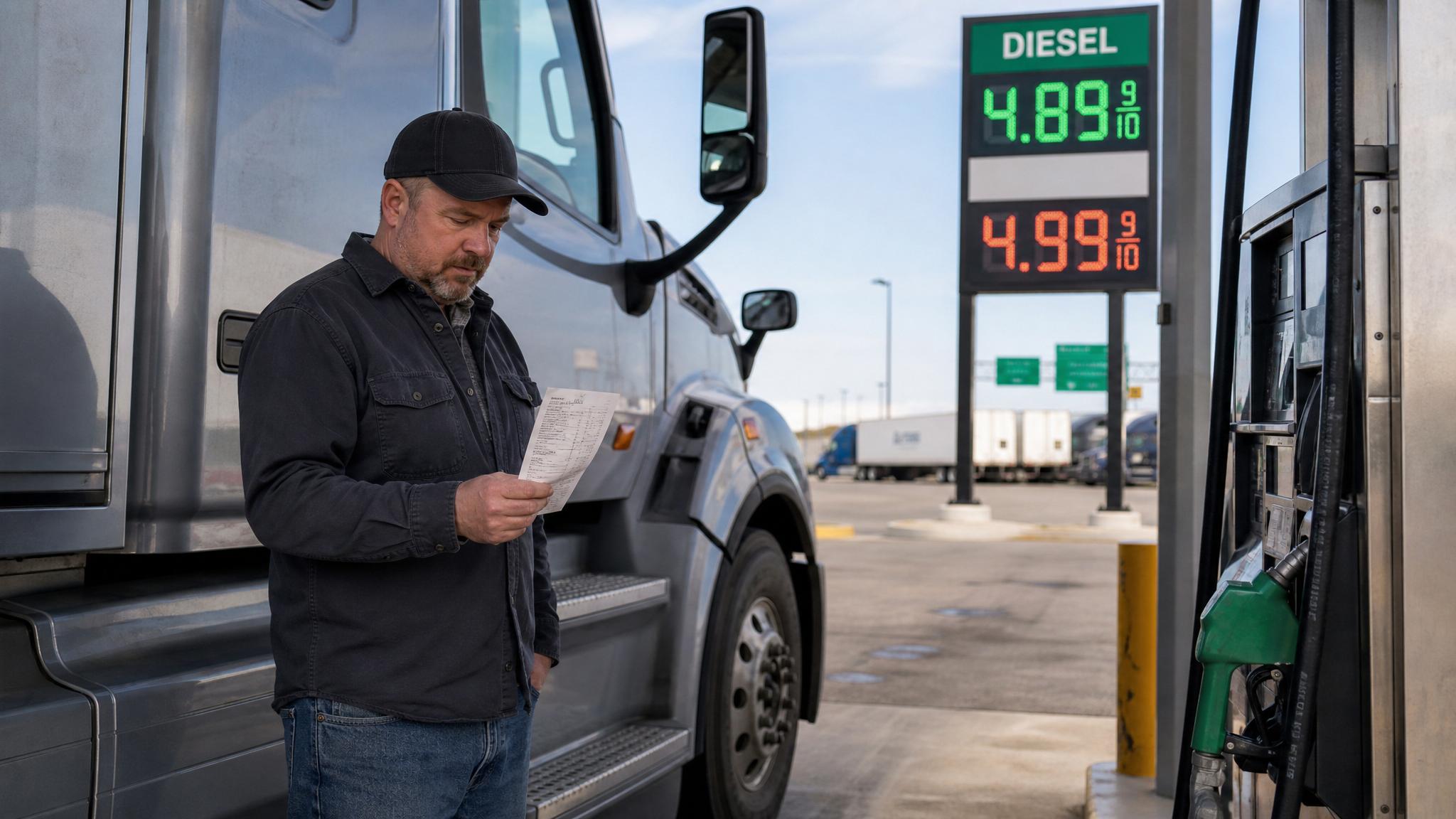
Diesel Prices Ease, But Truckers Are Still Paying Heavy at the Pump
U.S. diesel prices moved lower this week, but the cost of fuel remains one of the biggest pressures on owner-operators and small fleets.
According to the latest Gasoline and Diesel Fuel Update from the U.S. Energy Information Administration, the national average price for on-highway diesel reached $5.523 per gallon for the week of May 25, 2026. That was down 7.3 cents from the previous week, offering truckers a small break at the pump.
But for drivers running thousands of miles a month, “a little cheaper” does not mean “cheap.” Diesel remains a major cost center, especially for owner-operators who pay fuel directly out of their revenue.
For a truck burning hundreds or even thousands of gallons per month, every penny still matters. A few cents per gallon can change the bottom line, but high fuel prices also make every bad habit more expensive: unnecessary idling, poor route planning, low tire pressure, missed maintenance, and inefficient driving.
Why this matters to truckers
Fuel is not just another expense. For many truckers, it is the difference between a profitable week and a week where the load barely paid enough.
When diesel stays above normal levels, truckers have to watch:
- Cost per mile
- Idle time
- Fuel stops and regional price differences
- Tire pressure and rolling resistance
- Engine maintenance
- Route planning
- Detention time that forces the truck to sit running
The EIA data shows prices eased compared with the previous week, but many regions remain expensive. The West Coast and parts of the Northeast continue to show some of the highest diesel prices in the country, while the Gulf Coast remains one of the lower-cost regions.
That matters because a trucker’s route can change the fuel bill fast. Filling up in the wrong state, idling through a long wait, or running with poor maintenance can quietly eat hundreds of dollars per month.
Saving diesel is now a business strategy
For today’s trucker, saving fuel is not only about driving slower. It is about running smarter.
Practical steps can include:
- Using fuel cards and comparing truck stop prices
- Reducing unnecessary idle time
- Keeping tires properly inflated
- Maintaining injectors, filters, and engine systems
- Planning fuel stops before entering high-price regions
- Tracking real cost per mile every week
Auxiliary power units can also be part of the conversation for drivers who spend long hours parked. Reducing engine idle time can help save diesel, protect the main engine, and keep the driver comfortable during rest periods.
At Truck Savers, we work with drivers and owner-operators who want practical ways to reduce operating costs instead of simply accepting higher fuel bills. One of those solutions is the installation of a Go Green APU, designed to help reduce main-engine idling, lower diesel consumption, protect the truck’s engine, and keep drivers comfortable while parked.
At Truck Saver News, we see fuel management as one of the most important topics for the American trucker. Whether diesel goes up or down in a given week, the goal is the same: protect your profit, protect your equipment, and make smarter decisions on the road.
When fuel prices are this high, every gallon counts. Truck Savers helps drivers think beyond the pump — from smarter equipment choices to practical ways to lower operating costs.