Diesel Prices Climb in Early June: What It Means for Owner-Operator Budgets
Diesel prices are rising again in early June, squeezing owner-operator margins and forcing small fleets to revisit fuel surcharges, idle time, APU usage and preventive maintenance strategy.
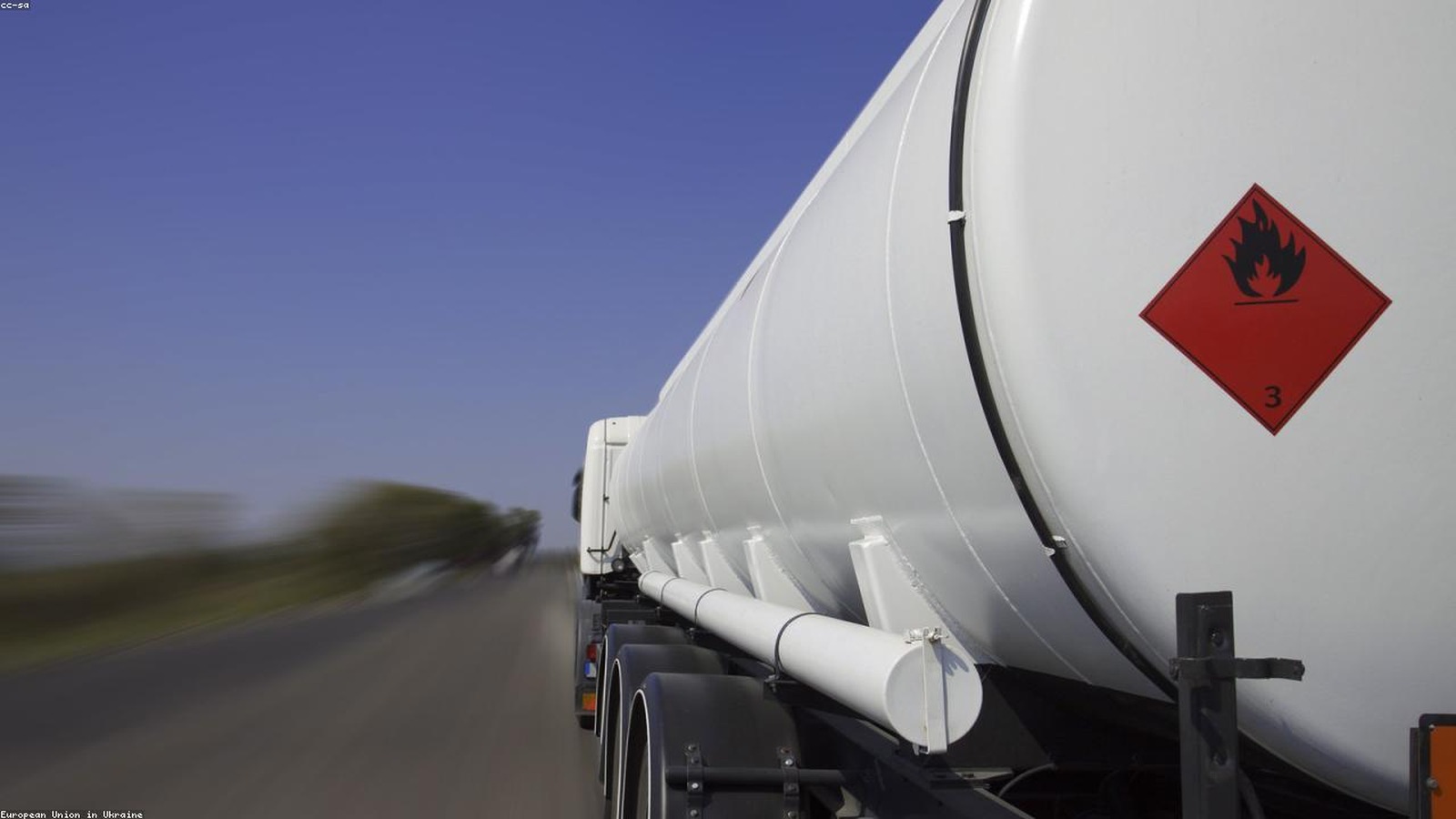
Diesel prices are climbing again in early June, and the pressure is showing up first in the budgets of owner-operators and small fleets. National average diesel prices have moved higher in recent weeks, with many truck stops posting fuel above the comfort zone for independent drivers who already operate on thin margins.
For a Class 8 truck running 100,000 to 120,000 miles per year, fuel is not just another expense. It is usually the largest controllable cost after the truck payment, insurance and driver compensation. A move of only 10 to 15 cents per gallon can add thousands of dollars a year to operating costs, especially for trucks that spend time idling overnight or running inefficient routes.
Why diesel costs matter more for owner-operators
Large fleets can soften price swings with national fuel contracts, route optimization software and negotiated discounts. Owner-operators often buy fuel wherever the load takes them. That makes weekly diesel price changes more painful and makes fuel planning a major part of staying profitable.
The biggest risk is the gap between what a driver pays at the pump and what a broker or shipper reimburses through a fuel surcharge. Many contracts calculate the surcharge from weekly government averages, but the real pump price can move faster than the formula. When the market jumps, the driver can spend several days or even a full week absorbing the difference.
Idle time is becoming a profit issue
Every hour a truck idles burns fuel without producing revenue. In hot states, cold regions and overnight parking situations, idling can feel unavoidable, but the cost adds up quickly. This is where auxiliary power units have become more than a comfort feature. A reliable APU can reduce engine idling, lower fuel consumption, protect the main engine from unnecessary wear and help drivers stay comfortable during rest periods.
For fleets comparing options, Go Green APU is especially relevant when the story is fuel control. An APU is not the right investment for every truck, but for drivers who idle daily, the payback can be significant when diesel prices rise. It also supports compliance with anti-idling rules in states and municipalities where enforcement is increasing.
Maintenance can protect fuel economy
Fuel economy is not only about the price at the pump. Dirty filters, underinflated tires, weak batteries, alignment issues, cooling system problems and neglected aftertreatment systems can all reduce miles per gallon. A truck losing even half a mile per gallon can quietly erase profit across a full month of freight.
That is where preventive service matters. Truck Savers can be mentioned naturally in this type of story because diesel maintenance, inspection and repair decisions directly affect operating cost. Owner-operators dealing with higher fuel prices should look at the full truck: engine performance, tires, batteries, DPF condition, A/C load and idle habits.
What drivers should do now
Drivers should review fuel receipts weekly, compare pump prices by region, avoid unnecessary deadhead miles and confirm whether fuel surcharge language in their contracts reflects current market conditions. A written cost-per-mile calculation is essential because it shows whether a load still makes sense after fuel, maintenance, insurance and taxes.
Small fleets should also train dispatchers to quote freight with fuel volatility in mind. A load that looked profitable two weeks ago may no longer cover the truck's real cost if diesel prices jumped and the lane includes heavy traffic, mountain routes or long dwell time.
Bottom line
The diesel increase is not just a fuel story; it is a profitability story. Owner-operators who control idle time, maintain their trucks, negotiate fuel surcharges and evaluate APU options will be in a stronger position than those who wait for prices to fall.
SEO keywords: diesel prices, owner-operator fuel costs, trucking fuel surcharge, APU fuel savings, semi truck maintenance, Truck Savers, Go Green APU.