Diesel Prices Climb 9.7 Cents: Reprice Your Trip
Diesel rose 9.7 cents in the latest EIA week. Compare the new benchmark with your actual gallons and fuel agreement.
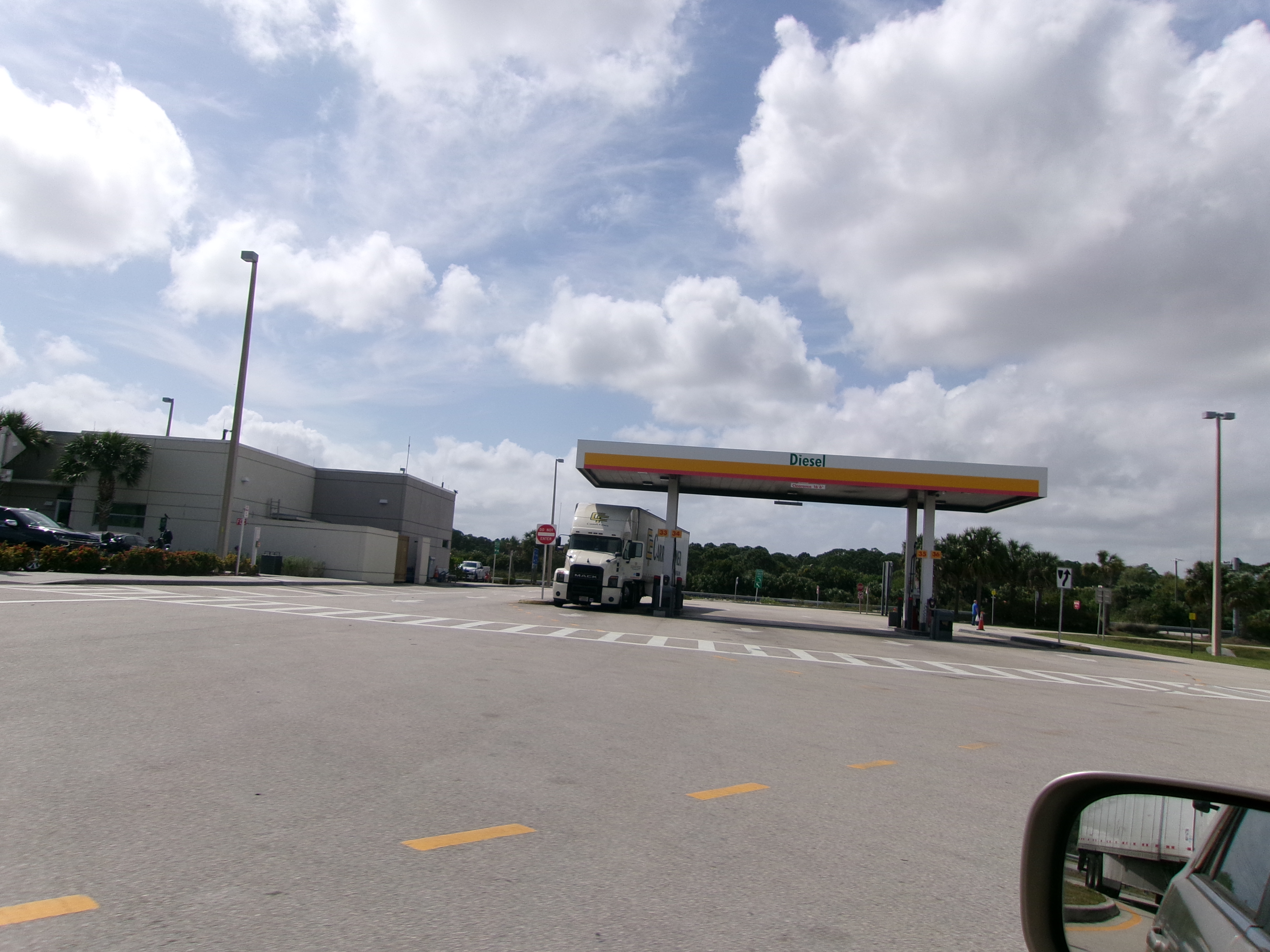
A small weekly movement becomes a real expense when a truck buys hundreds of gallons. The practical response to the latest diesel update is to refresh the fuel line in the next trip estimate, then compare it with the agreement that governs the load. Do not substitute a national average for the price on your receipt or assume a higher benchmark automatically changes what a customer owes.
The new week reverses the national decline
EIA's October 19 observation puts U.S. on-highway diesel at $6.276 per gallon, up $0.097 from $6.179 on October 12. The national figure remains $0.253 below September 21's $6.529. The Gulf Coast is $5.903, the Lower Atlantic $5.740 and the West Coast $7.394. The West Coast excluding California rose $0.156, the largest covered regional increase. California is $8.242. These are survey benchmarks including taxes, not individual stop quotes.
What 9.7 cents means for a purchase
Consider a hypothetical purchase of 150 gallons. Multiplying 150 by the national weekly change of $0.097 produces $14.55. That is the difference between two benchmark-based estimates for the same quantity. It is not a verified change in any operator's bill. A different purchase volume or actual local price changes the calculation, and discounts or contractual adjustments belong in their own lines.
For a hypothetical 1,000-mile trip at an assumed six miles per gallon, estimated consumption is about 166.67 gallons. At $6.276, the benchmark fuel budget is $1,046; at $6.179 it was about $1,029.83. The difference is approximately $16.17. Six mpg is an explicit planning assumption here, not a claim about your truck, load, terrain or driving conditions. Use your own documented consumption when making an actual decision.
Compare the lane, not just the national headline
The difference between the highest and lowest reported regions is $1.654 per gallon: $7.394 minus $5.740. That calculation helps explain why one national number cannot describe every lane. It does not establish a saving available to a particular truck. Getting to another region requires a trip, and the relevant comparison is the actual purchasing plan for that operation.
A useful worksheet can separate the route's planned purchase locations, expected gallons and prices available through the operator's own arrangements. Keep an estimate visibly separate from a confirmed quote. A distant lower price should not become a detour instruction based solely on a regional average. Our worksheet suggestion is an editorial planning aid, not a claim that EIA recommends a particular fuel stop or purchasing strategy.
Keep the surcharge calculation distinct
If a load has a fuel adjustment, bring the actual agreement into the comparison. Identify its stated index, reference date, base amount and calculation. These questions organize a review; this article does not determine a contractual entitlement. An invoice that uses a different reference period may move differently from today's headline even when the underlying arithmetic is correct.
Keep a copy of the calculation beside the rate confirmation and purchase records. Where the language is unclear, ask the responsible counterparty to explain which provision applies before treating a projected adjustment as collected revenue. A higher fuel estimate and a higher customer payment are separate entries. Showing them separately makes an unresolved assumption easier to spot before accepting another load.
Turn the update into one reviewable decision
- Date the benchmark and preserve its unit: dollars per gallon.
- Enter expected trip miles and a clearly labeled consumption assumption.
- Calculate gallons and compare the new estimate with the previous one.
- Replace estimates with actual receipts when the trip is complete.
- Review any agreed fuel adjustment independently.
- Keep the remaining difference visible in the trip's contribution calculation.
There is no need to rebuild every cost category because one weekly series changed. In this example, the useful action is to revisit the fuel assumption and the related payment assumption together. Maintenance, driver compensation and other trip expenses still require their own records. A precise fuel calculation cannot establish the profitability of a load whose other inputs remain unknown.
After the trip, compare estimated gallons with actual gallons and document the difference without inventing its cause. That comparison can identify which question deserves attention next: an estimate, a purchase price or an agreement. It does not remotely diagnose the truck or prove that an advertised product would have produced a particular saving.
Follow more fuel-cost reporting from Truck Savers News.
Photo credit: Illustrative archive photograph: diesel pumps at Fort Pierce Service Plaza, Florida, March 4, 2025, DanTD, CC BY 4.0, via Wikimedia Commons. Unmodified reproduction; it does not show current prices. Wikimedia Commons · CC BY 4.0.
