Diesel Hits $4.80 as Hormuz Squeezes Fuel Markets
U.S. diesel reached $4.796 a gallon after a 21.8-cent weekly jump as disrupted oil flows and tight refining capacity raise costs for carriers.
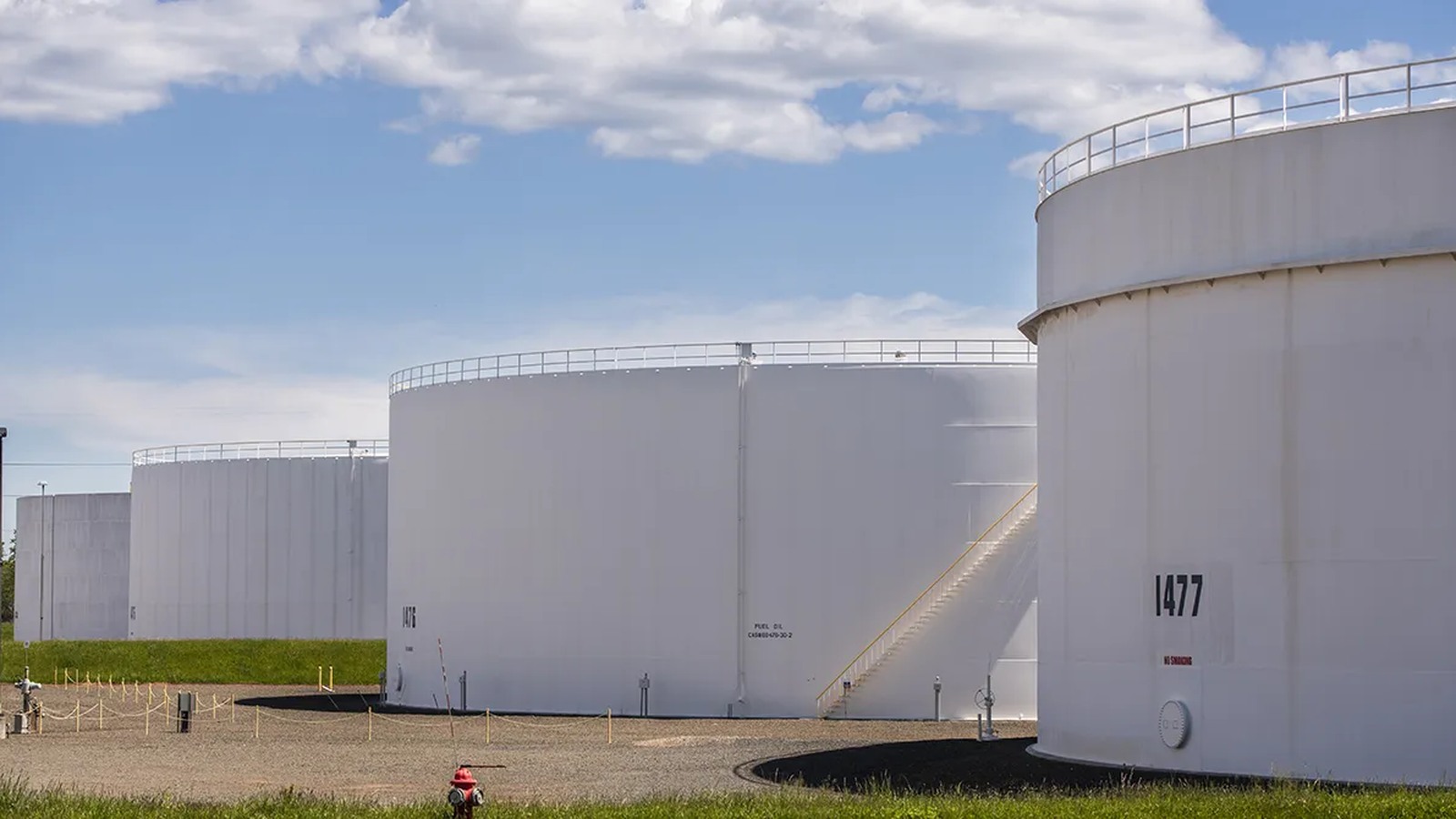
U.S. on-highway diesel climbed to $4.796 a gallon on July 13, 2026, up 21.8 cents in one week and $1.038 from a year earlier. The move arrives as tanker attacks and renewed tension around the Strait of Hormuz tighten crude and refined-fuel flows, while limited refinery capacity makes diesel especially vulnerable. For owner-operators and small fleets, this is already a cash-flow issue—not a distant oil-market story.
Why diesel is moving faster than crude
The pressure is not limited to the price of a barrel of oil. Gasoline, diesel and jet fuel have been rising faster than crude because refiners have less room to respond. Some plants reduced processing when Persian Gulf crude became harder to obtain, while seasonal maintenance is set to remove more capacity. Refinery closures in the United States and Europe over recent years have also reduced the cushion available when supply is interrupted.
That strain is visible in refining margins. European diesel margins reached their highest level since at least 2011, while the U.S. 3-2-1 crack spread—a rough measure of the value refiners capture by turning crude into gasoline and diesel—reached a record even with plants operating hard. In plain terms, the bottleneck is not only getting crude; it is also converting enough of it into the fuels trucks, aircraft and cars actually use.
Hormuz matters to every U.S. fuel buyer
The Strait of Hormuz is a narrow shipping passage, but its impact is global. Federal energy data show that 20.9 million barrels per day of crude oil and petroleum liquids moved through it during the first half of 2025. That was about one-fifth of total world oil supply and more than one-quarter of global maritime oil trade. When tankers are attacked, delayed or rerouted there, traders immediately price in the risk of lost cargoes, higher insurance and longer voyages.
The current squeeze is being reinforced by lower Russian fuel exports and uncertainty over a U.S.-Iran truce. Refiners cannot replace missing barrels instantly, and a cargo delayed overseas can still affect wholesale markets in the Gulf Coast, Midwest or East Coast before a physical shortage reaches a local rack. That is why a carrier may see pump prices rise quickly even if nearby stations still have fuel.
The cost changes by region
The national average does not tell the whole story. On July 13, diesel averaged $4.546 on the Gulf Coast, $4.659 in the Midwest, $4.894 on the East Coast and $5.550 on the West Coast. California stood at $6.126. A lane that looked profitable when diesel was 20 or 30 cents cheaper can lose its margin in a single week, particularly when a contract has no fuel surcharge or the surcharge resets slowly.
A truck consuming 100 gallons over a run now carries $21.80 more fuel cost than it did one week earlier at the national average. Multiply that difference across several trucks or repeated weekly lanes and the effect becomes large enough to change which loads are worth accepting. Brokers and shippers may also resist immediate rate increases, leaving the carrier to finance the gap.
What carriers should do now
- Recalculate cost per mile with the current regional pump price, not last month’s average.
- Confirm how each customer’s fuel surcharge is calculated, which index it uses and how often it resets.
- Price spot loads with the fuel needed for deadhead, detention and repositioning—not only loaded miles.
- Compare fuel stops along the route and avoid buying a full tank in the highest-cost market when a safe lower-cost stop is available.
- Protect cash reserves because card settlements, surcharge reimbursements and customer payments may not rise as quickly as pump costs.
What the road hero should inspect
Fuel discipline begins with the truck. Check tire pressure cold, look for irregular tread wear, verify alignment if the unit is pulling to one side, and inspect wheel bearings and brakes for drag or excess heat. Review coolant, engine oil and visible leaks before departure. A clogged air filter, unresolved fault code or unnecessary idling can quietly increase consumption when every gallon is expensive.
Drivers and fleet managers can use Truck Savers as a maintenance and repair resource. Operations with long rest periods or heavy hotel loads should also compare idle time against an APU strategy; information on idle-reduction equipment is available at Go Green APU. The right decision depends on duty cycle, climate, electrical load and expected payback, not a generic savings claim.
Protect margin before the next fill-up
No carrier can control geopolitics or refinery outages, but operators can control how quickly prices enter their rate calculations. Update lane costs daily while the market is volatile, document fuel purchases and walk away from freight that no longer covers the truck. Preventive maintenance is always cheaper than burning extra fuel—or getting stranded—when diesel is near $4.80.