Diesel Falls 6 Cents: Recheck the Route Budget
U.S. diesel averaged $6.292 a gallon on November 2. EIA regional prices still differ sharply; compare the index with your route and actual fuel receipts.
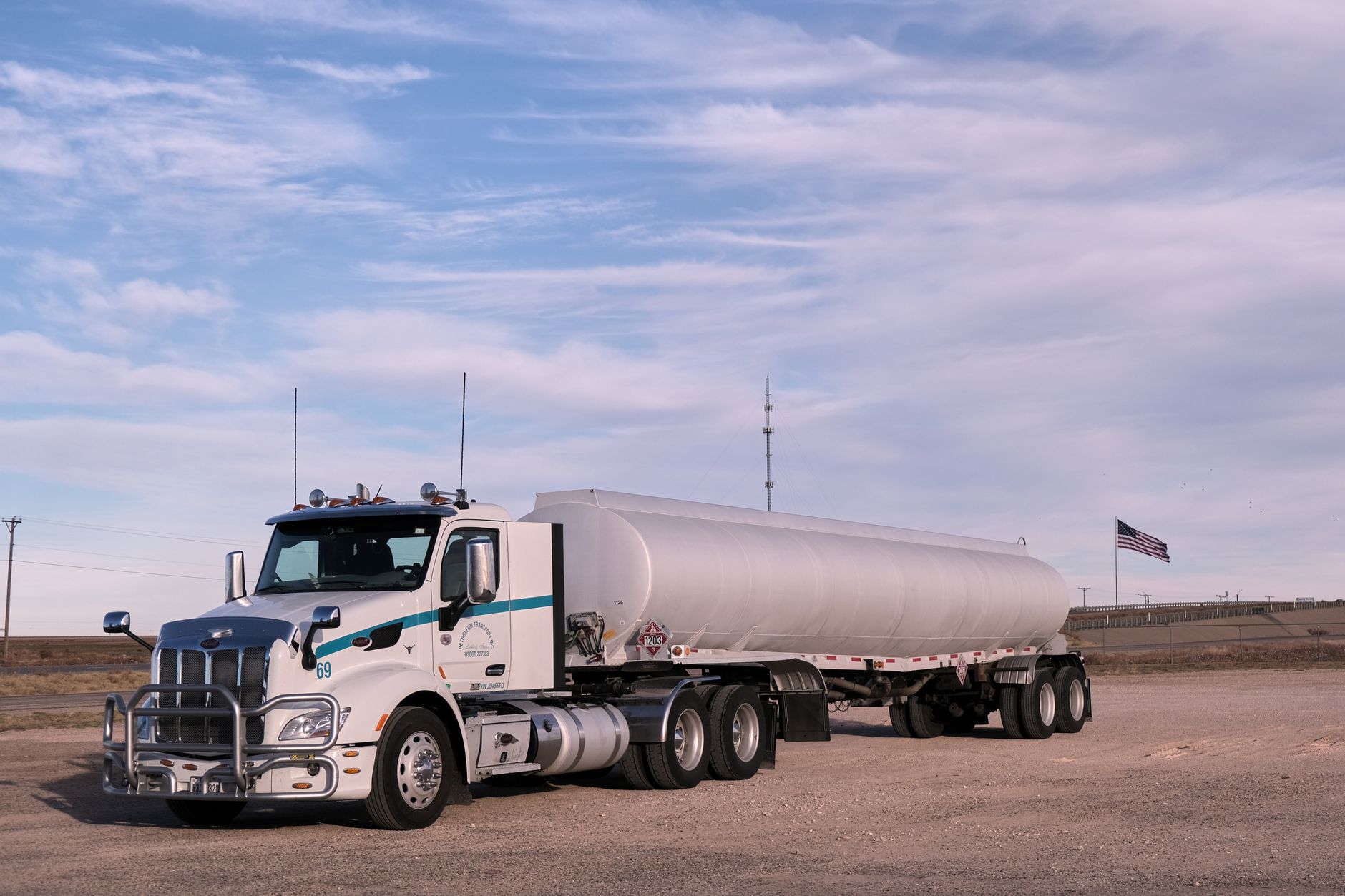
Illustrative fuel-transport archive: Alexander White/Pexels. The pictured vehicle is not an EIA survey location or evidence of a current pump price. Image source.
The U.S. average retail price of on-highway diesel fell to $6.292 per gallon for November 2, 2026, from $6.352 on October 26, according to the EIA. The six-cent weekly decline is a reason to refresh a trip calculation, not to assume every fuel stop or freight contract has become cheaper by the same amount.
The weekly decline does not erase the four-week increase
The national average remains 9.3 cents above its October 5 level of $6.199. That is approximately 1.5% higher over four weeks, despite the latest weekly decline of about 0.94%. Keep the comparison dates beside the numbers: “down this week” and “higher than four weeks ago” can both be true.
Use the right region
The West Coast, PADD 5, averaged $7.272 per gallon; the Lower Atlantic, PADD 1C, averaged $5.814. Their difference is $1.458 per gallon. These are regional survey averages, not offers at two individual stations. Among the reported regional series, the Midwest had the largest weekly decline, 7.8 cents, to $6.402.
The Gulf Coast average was $5.912, down 3.9 cents. It must not be labeled a Texas or Houston price. California, separately reported as a state, averaged $8.076, down 7.9 cents. The dataset used here does not supply a separate Houston figure.
Translate the change without promising savings
As an illustration, 150 gallons multiplied by the national six-cent change equals $9. That calculation assumes the same number of gallons and the exact benchmark change; it is not a documented saving for a particular truck. A different purchase location, discount or amount bought changes the actual result.
For a proposed trip, create one row for each expected purchase: location, gallons, current quoted price and any discount conditions. Add the planned empty miles as well as loaded miles. Compare the resulting estimate with a previous trip only when its route and operating assumptions are comparable.
A short dispatch checklist
- Label the EIA reference “November 2, 2026,” rather than the day you read it.
- Keep national, regional and station prices in separate columns.
- Use actual receipts to check the trip after completion.
- Read the fuel-surcharge agreement before assuming its adjustment date or formula.
- Record changes in purchased gallons separately from changes in price.
Keep the next decision traceable
This is TSN’s budgeting checklist, not a fuel-price forecast or a promised margin improvement. If a trip also needs a service stop, research businesses in Truck Savers Finder and verify the location, service and availability directly before changing the route.
Original source: U.S. Energy Information Administration, Gasoline and Diesel Fuel Update; November 2, 2026 observation, checked November 3.