Detroit Takes EPA 2027 Orders Sept 1, Delivers in January
The first EPA 2027 order book opens next week. Detroit takes DD13 and DD15 orders September 1.
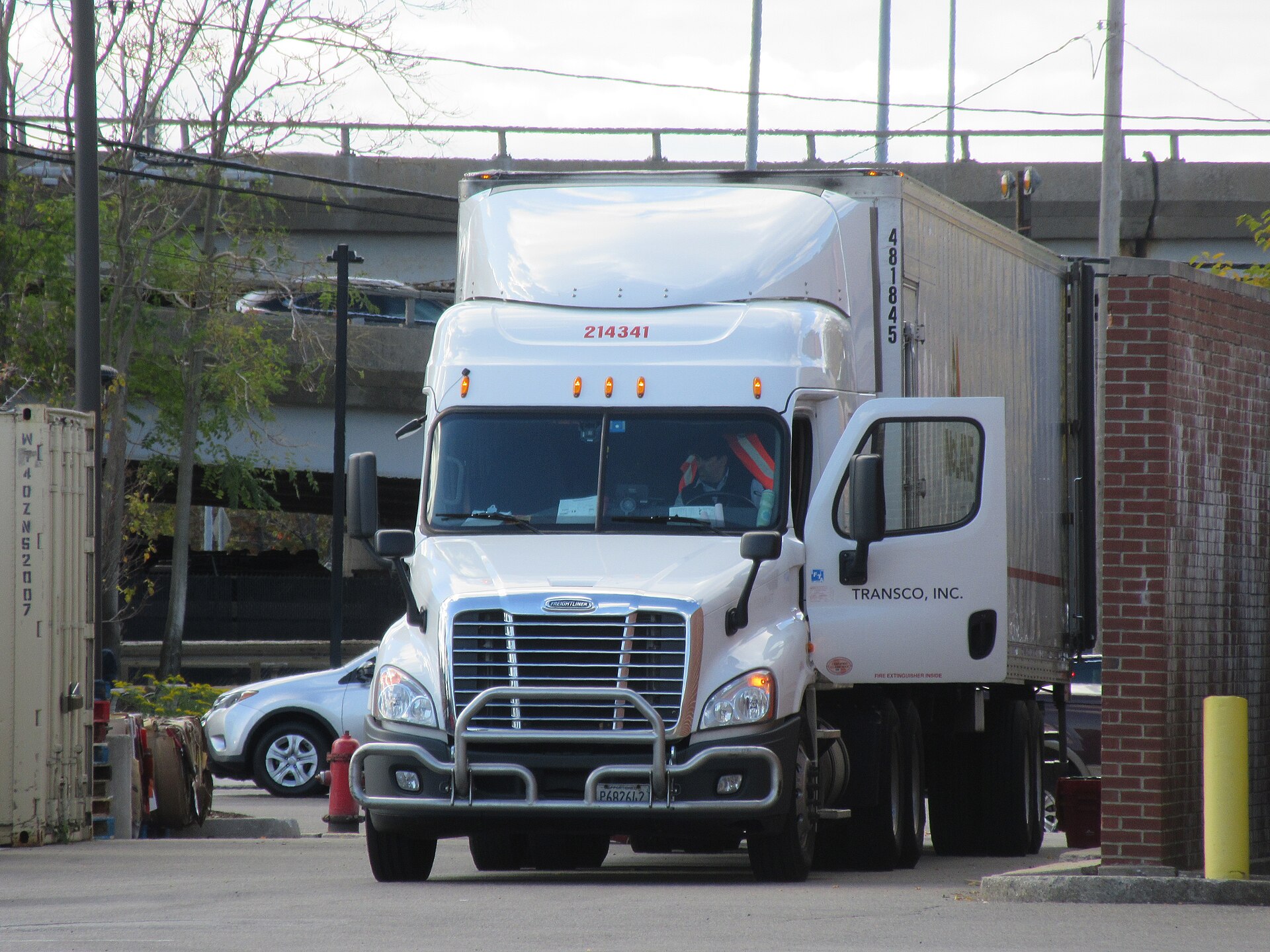
The first EPA 2027 order book opens September 1. Detroit starts taking customer orders that day for its Gen 6 DD13 and DD15, the engines that will meet the 2027 federal NOx standard in Freightliner and Western Star trucks.
Delivery is the part worth writing down: the trucks arrive starting January 2027. The DD16 does not follow until January 2028.
What actually changed under the hood
Less than most people expect, and that is the point. Detroit kept the platform and reworked what the rule forced it to rework: the fuel system and the aftertreatment. This is not a clean-sheet engine.
For a small fleet that matters more than any horsepower number. A carried-over platform means your mechanic already knows most of the engine, and the parts that changed are the ones that will define the maintenance bill.
Two additions are worth noting:
- A 505-horsepower DD13 aimed at vocational work.
- Extra DD15 efficiency ratings built for downspeeding without giving up drivability.
What EPA 2027 actually requires
The short version, because the long version is a rulebook. The 2027 standard tightens the limit on nitrogen oxides — NOx — and stretches the useful-life and warranty periods manufacturers have to stand behind. That is why the changes land on the fuel system and the aftertreatment instead of on the block: NOx is made in combustion and cleaned up downstream, so those are the two places a manufacturer can move the number.
What it means for the person paying the bills is simpler. A tighter NOx limit generally means the aftertreatment works harder and matters more, and the components in that system stop being background hardware. If you have run a truck through a previous emissions step, you already know how that story goes when maintenance gets postponed.
The order that is not about horsepower
Most coverage of a new engine leads with power ratings. For a small fleet the ratings are rarely the decision. The decision is duty cycle: what the truck does all day, how heavy, how many stops, how much idle.
That is why the 505-horsepower DD13 is the more interesting item on this list than it looks. Vocational work — the constant stop, load, start again — is where the wrong spec quietly costs money for years, in fuel and in wear that nobody attributes to the spec sheet.
Why the date is the news
Emissions deadlines have a pattern, and every operator who has been through one knows it. The order book opens, the early build slots fill, and the people who waited end up choosing between a longer wait and whatever configuration is left.
Add the second calendar that is already running — the tariff deadline that shapes 2027 pricing — and September stops being a quiet month for anyone planning to replace a unit next year.
None of that means rush. It means decide on purpose instead of by default, because the default here is a build slot somebody else took.
What a small fleet should do before September
- Know which unit you are actually replacing, by mileage and by repair history, not by which one annoys you most.
- Ask your dealer for the build slot, not just the price. A quote without a delivery month is half a quote.
- Ask what changes in the maintenance schedule, specifically on the aftertreatment. That is where the new rule lives.
- Get the resale question answered now: what happens to the value of the pre-2027 truck you are keeping.
- Do not scrap a good running unit to chase a rule. A truck that still works is still working.
The part nobody advertises
Every emissions generation gets described the same way at launch: reliable, serviceable, efficient. Some deliver and some cost fleets a very expensive first year while the field learns the new hardware.
The honest position on day one is that nobody outside the factory knows yet. What you can do is stay out of the position where you need the new truck to be perfect — which usually means not letting your current fleet fall apart while you wait for it.
The preventive read
The best preparation for a new emissions generation is a current fleet that is not already broken. Suspension, tires, alignment and brakes on the units you are keeping decide whether next year is a purchase or a rescue.
If you are planning around January, the units that stay on the road this fall are the ones that buy you the room to choose. At The Truck Savers the inspection tells you which of them is actually ready for another year. Los fierros nunca mienten.
Original source: Heavy Duty Trucking.