Detroit Coolant: Identify the Engine Before Buying
Detroit coolant options depend on the engine. Identify the engine and existing fill before choosing a service product.
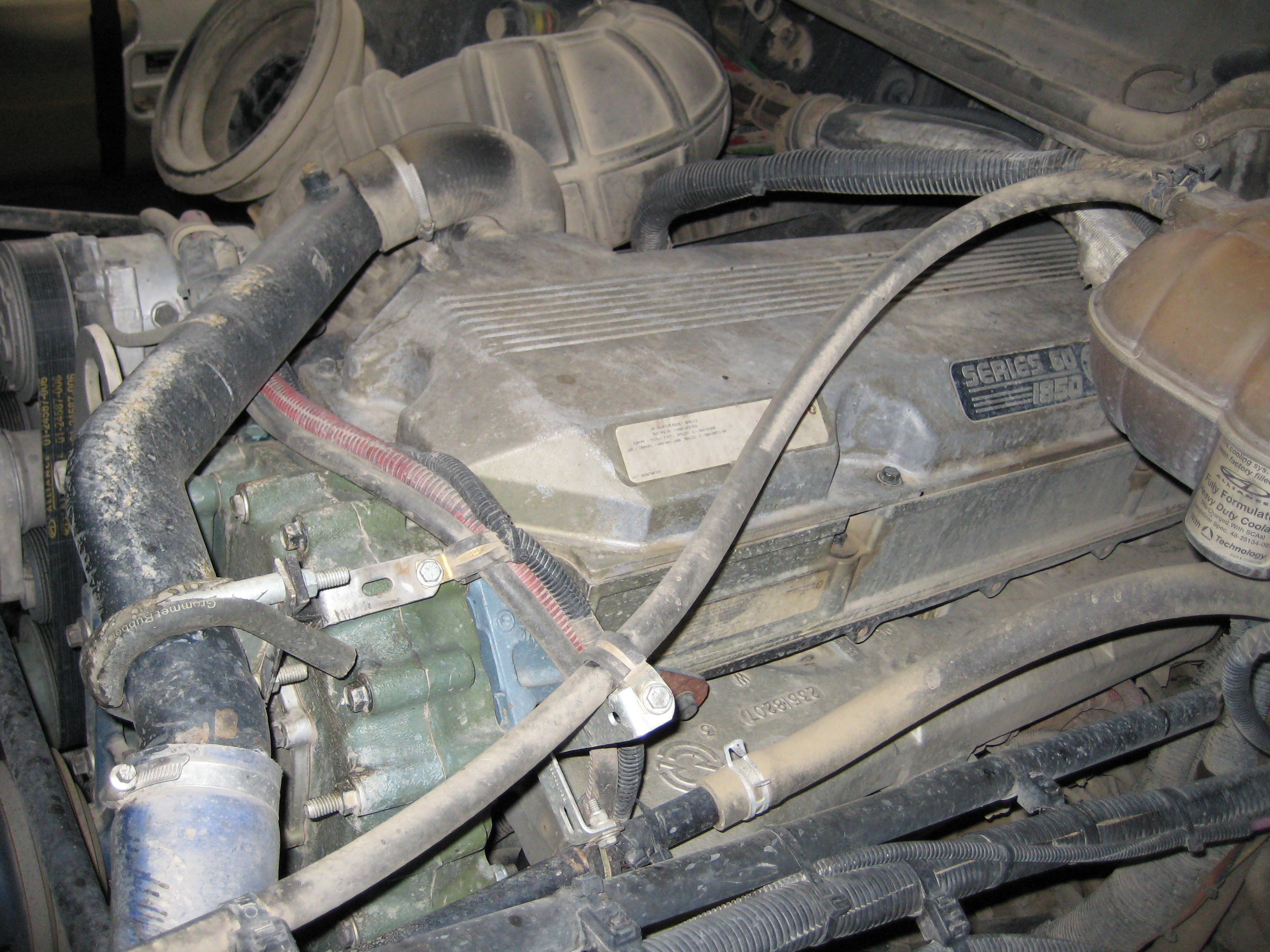
Before buying coolant for a Detroit-powered truck, identify the engine and establish what product is already in the system. A purchase order saying only “Detroit antifreeze” leaves an important question unanswered. Detroit's published fill-options table separates current engine families, legacy engines and a specific vocational application. Start with the applicable technical information, rather than a bottle selected because another truck in the yard uses it.
What the manufacturer's table separates
The DD5, DD8, DD13, DD15 and DD16 table lists extended-life organic-acid and conventional standard-life options, with corresponding service products. Legacy Series 50, 55 and 60 and MBE engines have a separate table. EconicSD DD8 has its own entry. Detroit refers readers to approved-product list 93K217 and warns about inadequate or excessive coolant concentration. It says to read the complete publication before replacement or topping off.
These distinctions justify verifying the truck's requirements. They are not a mixing recipe. A product appearing somewhere in the publication does not establish that it belongs in every engine or in your truck's current system. This article organizes a service decision; it does not replace the maintenance procedure for a particular vehicle.
Identify the engine before requesting a quote
Begin an office checklist with the unit number, engine identification and the manual or maintenance record the shop will use. Keep those together when requesting advice. If the engine was replaced, include the replacement documentation instead of relying entirely on chassis model year. The objective is a question the technician can answer about an identified assembly.
Then find the last documented coolant service. A useful record identifies the product, date and work performed. A receipt saying only “coolant” may explain a charge without identifying the fill. Ask the previous service provider whether a detailed work order exists. If the history cannot be established, record it as unknown and ask the shop to determine the appropriate next step.
A shared shelf can hide different requirements
Consider a hypothetical fleet with an older Series 60 truck and a newer DD15 truck. An employee finds a partially used container and assumes that the same engine manufacturer makes it suitable for either vehicle. Comparing the trucks' badges does not resolve the purchasing decision. The relevant questions concern the specific engine, existing fill and approved service product.
For that office, a simple improvement is to record purchases by unit and exact product, preserving the original container label. This is an editorial stock-control suggestion, not a manufacturer's requirement to create a new form. It helps the purchaser distinguish verified information from questions still requiring a technician's answer. Keep a substitute product proposal attached to the same record rather than treating it as an unrelated purchase.
Ask the shop to explain the selection
Request exact product identification and the specification or approved listing supporting its use. Separate that question from the quantity being purchased. Establish whether the quoted material is premixed or concentrated, and have the provider explain how that form fits the applicable procedure. Do not infer dilution instructions from this article or transfer instructions from another engine.
If the quote proposes changing the recorded product, ask what the change involves and which instructions govern the work. A different product name on a bill does not, by itself, demonstrate that the necessary service occurred. A useful explanation connects the identified truck, selected material and work proposed. Retain that explanation with the completed order so the next service provider can understand the decision.
Keep an unexplained loss separate from buying fluid
A driver requesting another container may also be reporting a maintenance concern. Record the observation and when it occurred, then give that information to the shop. Repeated purchases do not establish a remote diagnosis of a hose, pump or internal engine problem. Purchasing material and determining why the system needs attention are separate decisions.
A reservoir photograph is not a laboratory result or verified product history. Use it to accompany a clear description without claiming that an image establishes concentration or compatibility. Physical inspection, sampling and corrective work should follow the vehicle and engine instructions through the responsible provider. This administrative checklist does not authorize opening or working on the cooling system.
Close with a record another person can use
- Identify the truck and actual engine.
- Record the previous fill or mark it unknown.
- Request exact proposed product and supporting specification.
- Distinguish premix from concentrate without guessing the procedure.
- Separate the service task from unresolved maintenance concerns.
- Retain final product identification and work description.
Use this checklist to assemble the available information before the next service. A usable record gives the next driver, purchaser or shop more than a generic antifreeze receipt. It supports maintenance continuity without promising a particular repair, universal service interval or operating cost.
Explore more maintenance reporting from Truck Savers News.
Illustrative archive photograph: Detroit Series 60 engine, 2008. Credited to Panoha on Wikimedia Commons; unmodified reproduction. The image does not establish the coolant currently in the engine. Wikimedia Commons · CC BY-SA 3.0.

Original source: Detroit, Coolant Fill Options.