DAT Summer 2026 Rate Projections: When Will the Pay Per Mile Increase?
In-depth analysis of DAT Freight & Analytics data and how diesel consumption will affect truckers' profit margins this summer.
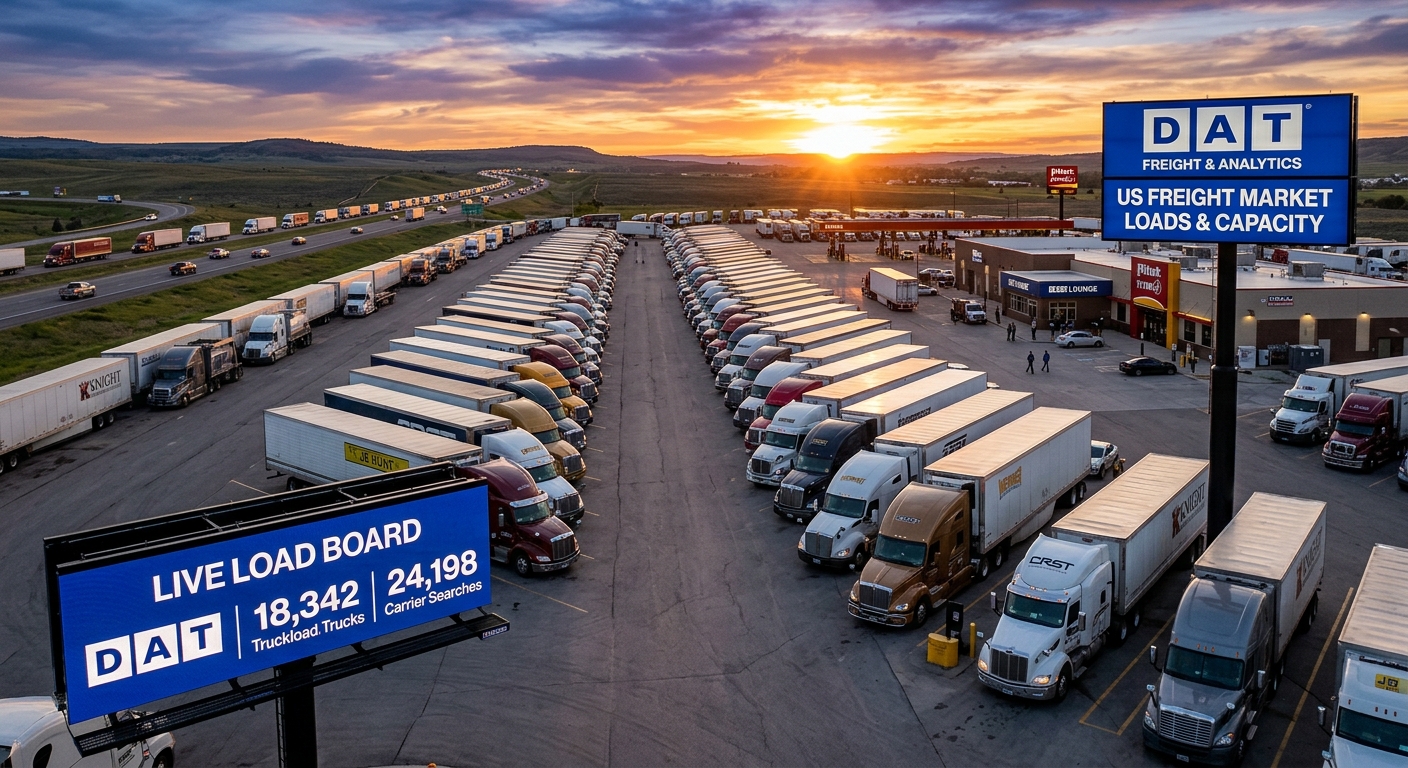
As we approach the heart of Summer 2026, the question echoing at every truck stop and over the CB radio is the same: "When is the pay per mile going to go up?" After a start to the year characterized by excess capacity and stagnant spot rates, the freight transportation market in the United States is showing signs of an imminent adjustment. Analyzing the latest reports from DAT Freight & Analytics, we break down what drivers can expect and how diesel will play a decisive role in profitability in the coming weeks.
The Balance Between Supply and Demand (Tender Rejection Rates)
The most reliable indicator of rate health is the Outbound Tender Reject Index (OTRI), which measures how often carriers reject contracted loads. Throughout the spring, this index remained at historically low levels, around 3.5%, meaning there were too many trucks for too little freight. However, DAT projects a significant shift towards June and July.
Imports at key ports (such as Los Angeles/Long Beach and Savannah) have seen an 8% year-over-year rebound in preparation for the back-to-school season and early autumn festivities. The OTRI is expected to approach 5.5% or 6% by mid-summer. When this index crosses the 5% threshold, pressure shifts to the spot market, forcing brokers to offer better rates per mile to move urgent freight.
The Diesel Factor: The Margin Killer
Even if rates show signs of life, the price of diesel remains the guillotine over the owner-operator's neck. According to the Energy Information Administration (EIA), the national average price of diesel has fluctuated erratically due to geopolitical tensions and production cuts at key refineries.
For Summer 2026, if spot rates rise (for example, from $2.05 to $2.25 per mile for dry vans), but the cost of diesel simultaneously increases by 30 cents per gallon, the net increase in the trucker's profitability is minimal or zero. The key this summer will be to aggressively negotiate Fuel Surcharges (FSC) on every load. Many brokers try to dilute the FSC within seemingly high all-in rates, leaving the carrier exposed to pump price risk.
How to Maximize Your Earnings This Summer
With a market just beginning to turn in the driver's favor, strategy is everything. Here are some industry data-based recommendations:
- Hot Zones: Focus on origin markets where the load-to-truck ratio is increasing. The Southeast, driven by the produce season, and the industrial Midwest are showing the first signs of capacity constraint.
- Smart Deadhead: Sometimes, running 100 empty miles to a "hot" market is more profitable than taking cheap freight to get out of a "cold" market. Always evaluate your operating cost per mile before moving the truck.
- Beware of Long-Term Contracts: If the spot market is about to rise, locking into fixed contracts now with low rates will leave you trapped as operating costs go up. Maintain flexibility in your capacity.
Summer 2026 promises to be a turning point. Those who know their numbers, understand the market, and stand firm in their negotiations will survive and prosper.
Stay Strong and Mechanically Sound
The stress of fighting for every penny and long days behind the wheel takes a toll directly on your body. Back pain, leg numbness, and chronic fatigue are not "part of the job"; they are warnings from your body. Make a smart stop at The Truck Savers, where we'll take your truck to The Chiropractor to align it so you can keep earning income without needlessly wearing out tires. And remember, safety is not a game; this weekend, take your truck to The Shimmy (our free road simulator) to detect any hidden suspension problems before your next trip.