Cummins X15/X10 Rollout Shifts for 2027
Cummins will phase in the 2027 X15 and X10 engines. Fleets should verify the exact engine, warranty, emissions package and production slot before ordering.
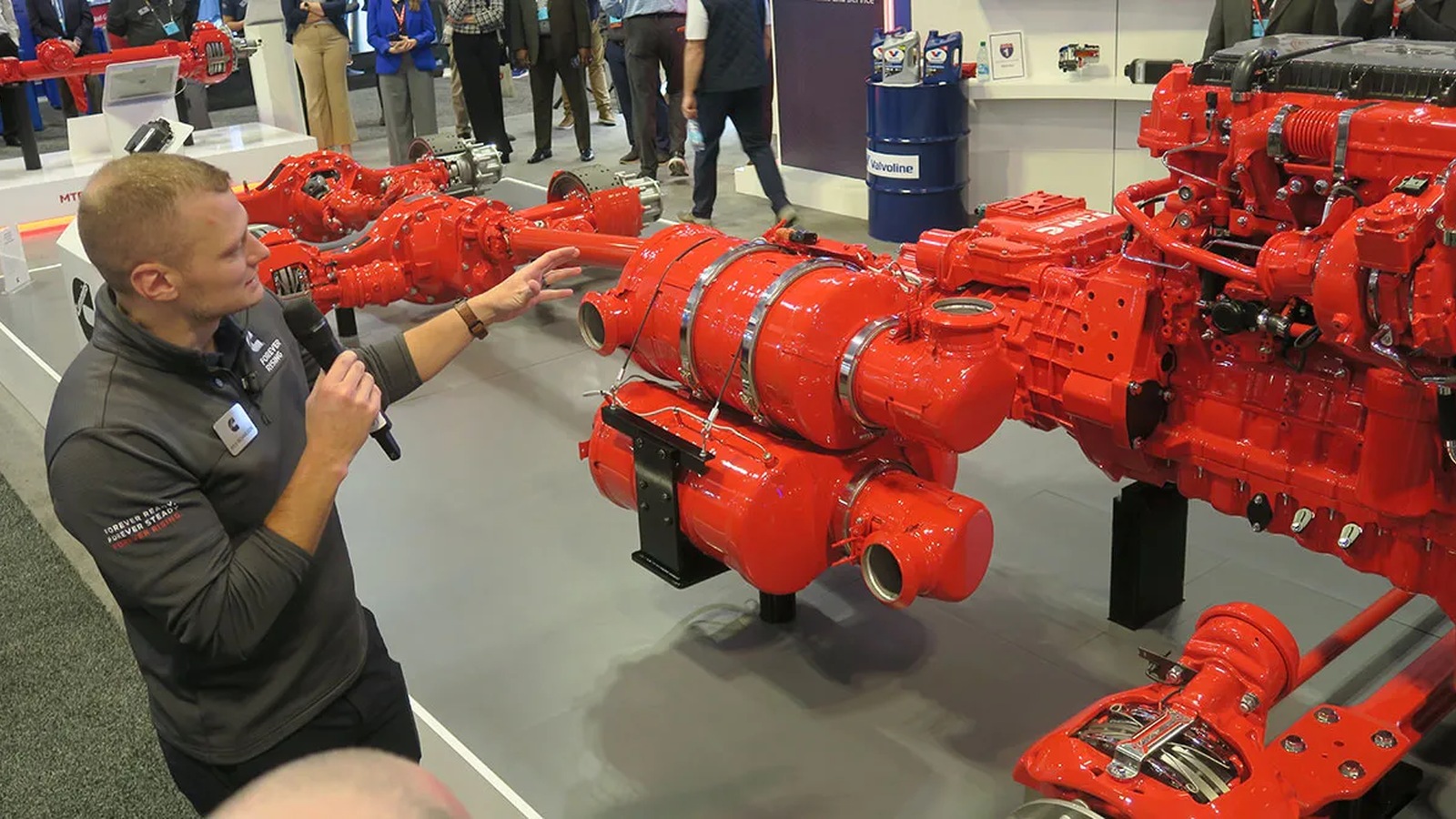
Cummins has revised the rollout of its model-year 2027 highway diesel engines. The decision follows its review of the Environmental Protection Agency's proposed emissions changes. The new X15 and X10 are still coming, but production will ramp in stages while several current-generation engines remain available. That gives owner-operators and small fleets more choices, but it also makes the engine specification on a 2027 truck order more important.
What changed in the Cummins 2027 engine plan?
Limited production of the 2027 X15 is expected to begin in January 2027, depending on each truck manufacturer's launch schedule. Cummins expects the ramp to continue through the year, with full production in the fourth quarter of 2027. The current-generation X15 is expected to remain available during the transition.
The 2027 X10 also is scheduled for limited production in January. Its full-production target is the third quarter of 2027, subject to truck-maker timing. Current X12 and L9 engines used in truck and transit applications are expected to remain available while the X10 ramps up. Cummins has said the next-generation B platform remains planned for January 2028, with the current B6.7 available through 2027.
Why the EPA proposal matters, but is not final
The July proposal keeps a much tighter heavy-duty nitrogen-oxide limit while giving manufacturers more flexibility in how they move into the new standard. Cummins says the phased launch is intended to support truck-maker production, protect product quality and gather confidence from real-world operation.
This is a proposed federal rule, not the final word. Cummins has said schedules could change if the final regulation differs materially. It also does not mean an owner must immediately replace or retrofit a current engine. The practical issue today is purchase planning: two trucks described as model-year 2027 may not automatically have the same engine generation or aftertreatment package.
Who is affected and when?
Owner-operators, fleet managers, leasing companies, dealers and maintenance teams considering 2027 equipment are the main audience. The first limited-production X15 and X10 units are planned for January 2027. Availability will vary by truck brand, model, production slot and approved engine combination.
For an operator keeping an existing truck, normal emissions-compliance and maintenance duties continue. For a buyer, the transition can affect delivery timing, warranty comparison, technician familiarity, parts planning and the expected learning curve for a new emissions system. None of those effects should be assumed from a model-year badge alone.
What should the road hero check?
- Get the exact engine family, model year and emissions configuration in writing before signing a purchase or lease.
- Confirm whether the production slot includes the current-generation engine or the new 2027-compliant version.
- Compare engine and aftertreatment warranty terms, exclusions and covered labor instead of relying on a verbal summary.
- Ask which dealers and shops are trained, tooled and stocked to support that specific engine and aftertreatment system.
- Request written fuel-economy and diesel exhaust fluid assumptions for the actual duty cycle; do not treat marketing estimates as guaranteed savings.
- Review coolant, oil, leak, belt, wiring, sensor, DPF, SCR and DEF checks with the maintenance team before delivery.
- Keep diagnostic codes, regeneration history and software updates documented. Never remove or bypass emissions equipment.
- Build a fallback plan for parts or service delays during the first months of a new product ramp.
How could this affect cost and uptime?
A phased launch can reduce the pressure of switching every build at once, but it also creates more configurations to compare. The cheapest quote is not automatically the lowest operating cost. Buyers should price the truck, warranty, maintenance access, expected downtime and resale assumptions as one package.
For used-truck shoppers, service records and the exact engine serial number remain more useful than the model year by itself. For new-truck buyers, written confirmation from the selling dealer is the safest way to know what will arrive. If you need a baseline inspection or diesel-system diagnostic before making a repair decision, use The Truck Savers service network.
Clear answers for operators
What changed? Cummins will introduce the 2027 X15 and X10 gradually while current engines remain available. When? Limited production is planned for January 2027, with the X10 targeting full production in the third quarter and the X15 in the fourth quarter. What should a carrier do? Verify the exact engine, production slot, warranty and service support in writing. How does it affect safety? The direct issue is reliable maintenance and emissions-system operation, not a new immediate roadside requirement. What preventive maintenance matters? Watch fluids, leaks, wiring, sensors, DPF/SCR/DEF condition, diagnostic codes and regeneration history.
The transition offers time to compare instead of buying blind. Preventive maintenance is always cheaper than getting stranded.
Original source
Transport Topics: Cummins to phase in MY-2027 engines due to EPA NOx rule