Colorado, Canyon: GM Brake Probe Enters Final Stage
GM's brake-assist case reached its final review stage. It now covers 1,164,820 vehicles, Colorado and Canyon included.
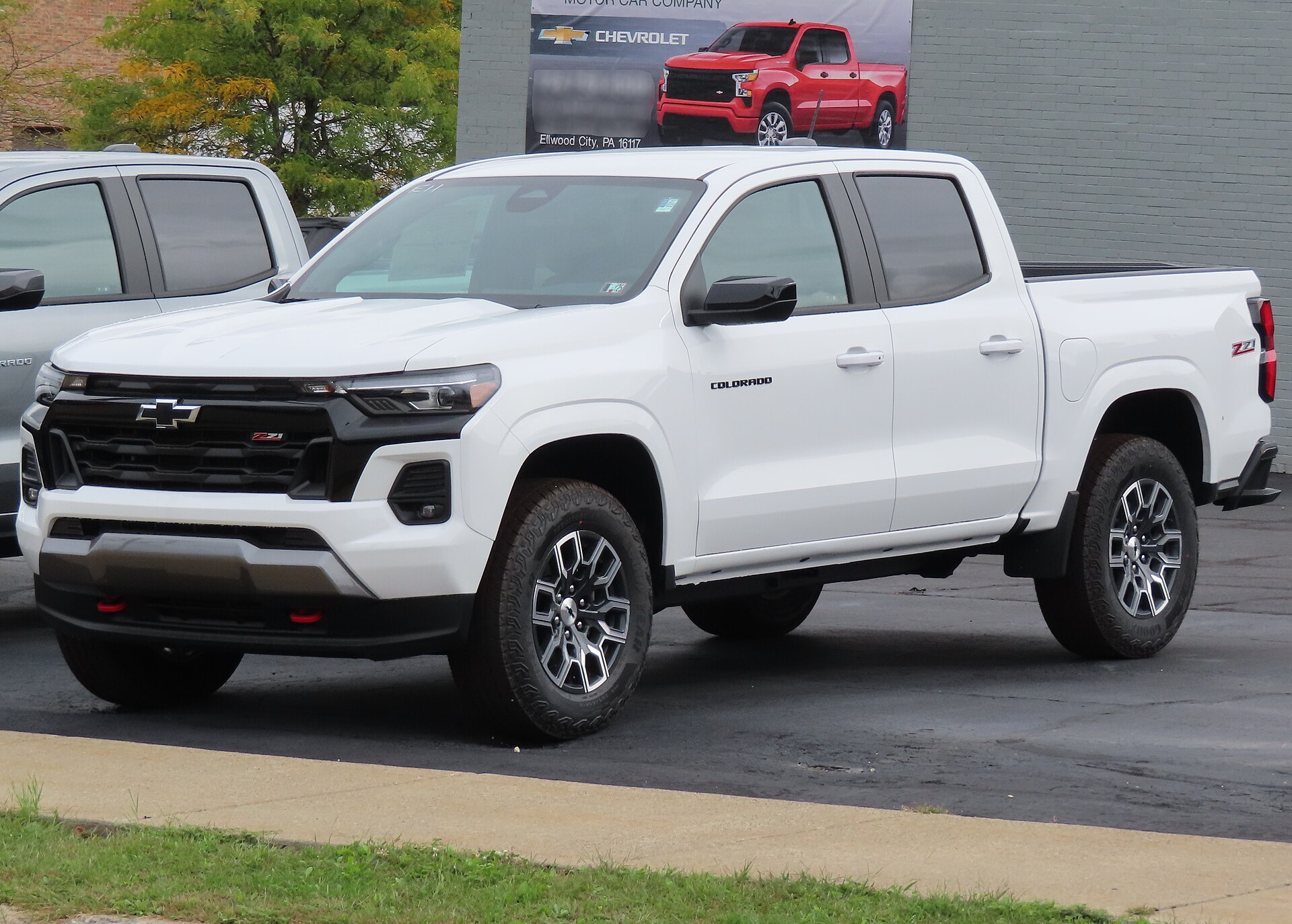
The federal file on GM's brake-assist problem just moved to its last stage before a recall, and it now covers 1,164,820 vehicles. Among them: the Chevrolet Colorado and the GMC Canyon, model years 2023 through 2026.
On August 21 the National Highway Traffic Safety Administration upgraded the case to an Engineering Analysis, EA26006. It started as a Preliminary Evaluation, PE24011, opened back on April 11, 2024. Two and a half years of reports later, the population grew and the file moved up.
There is no recall today. That matters, and we will come back to it, because the difference between an investigation and a recall is exactly the space where an owner-operator can get ahead of the problem instead of waiting for a letter.
The system, and what the driver actually feels
The component under the microscope is eBoost, GM's electro-hydraulic brake assist. In plain shop language: the boost that makes your pedal light is generated electrically instead of by engine vacuum. When that assist drops out, the brakes do not disappear — the hydraulic path is still there — but the pedal turns hard, and stopping the truck takes real leg.
That is the symptom to know by heart: a pedal that suddenly needs a lot more effort than yesterday. GM's own review traced the loss of assist to a fractured spindle inside the eBoost unit. The agency's file counts 745 reported incidents across the covered population.
Anyone who has lost power steering at low speed knows the feeling from the other side of the cab. The wheel still turns. It just costs you three times the arm. Brakes without assist behave the same way, and stopping distance grows with the effort you cannot apply in time.
Which trucks are on the list
The engineering analysis reaches every GM vehicle sharing the eBoost hardware, plus two models GM builds for Honda:
- 2023-2026: Chevrolet Colorado, GMC Canyon, Cadillac Lyriq
- 2024-2026: Chevrolet Traverse, Blazer EV, Equinox EV, Buick Enclave, Buick Envision, GMC Acadia, Cruise Origin
- 2025-2026: Cadillac Celestiq, Cadillac Optiq
- 2024-2026: Honda Prologue and Acura ZDX, built on the same system
For a small fleet, the two that matter are the Colorado and the Canyon. They are the mid-size pickups that end up doing parts runs, service calls and light hauling — the trucks that spend their day in stop-and-go traffic, which is where a hard pedal shows up first.
What "engineering analysis" means, and what it does not
An Engineering Analysis is the second and final investigative phase. The agency has already decided the reports are worth a deeper look; what it is deciding now is whether the defect poses an unreasonable risk to safety. If it concludes that it does, the next step is asking the manufacturer for a recall.
What it does not mean: your truck is not "recalled" today, no free repair is authorized, and no dealer owes you a fix under a recall number. Warranty still applies if you are inside it. That is the whole practical distinction — and it is why waiting is the expensive option.
What to do this week
- Run your VIN. The federal lookup tells you in seconds whether your unit carries an open recall — today or the day one gets issued.
- Test the pedal cold, before the first run. Engine off, pump it down, start the truck. The pedal should drop under your foot as assist comes in. If it stays high and hard, you have your answer without a scan tool.
- Treat any brake warning light as a work order, not a suggestion. On a brake-by-wire system the light is often the only warning you get before the feel changes.
- Write it down. Date, mileage, what you felt, what the dash showed. A documented pattern is what turns "it feels weird sometimes" into a claim the dealer can act on.
- Do not chase it with pads. A hard pedal is not worn friction. Replacing pads on this symptom spends money and leaves the cause in place.
The preventive read
The lesson here is not about General Motors. It is that a fleet learns about its brakes on the day it needs them, unless somebody checks on a day it does not. An investigation like this one is free information: it tells you which symptom to watch for, two and a half years before the letter arrives.
If your Colorado, your Canyon or anything else in the yard has been giving you a pedal you have to think about, get it on a lift and get it measured. At The Truck Savers the inspection tells you what the truck is actually doing, which is the only thing worth acting on. Los fierros nunca mienten.
Original source: NHTSA, Office of Defects Investigation.