Class 8 Sales Rise for First Time in a Year
U.S. Class 8 retail sales edged higher in June, but 2026 volume still trails last year. Here is what small fleets should check before buying.
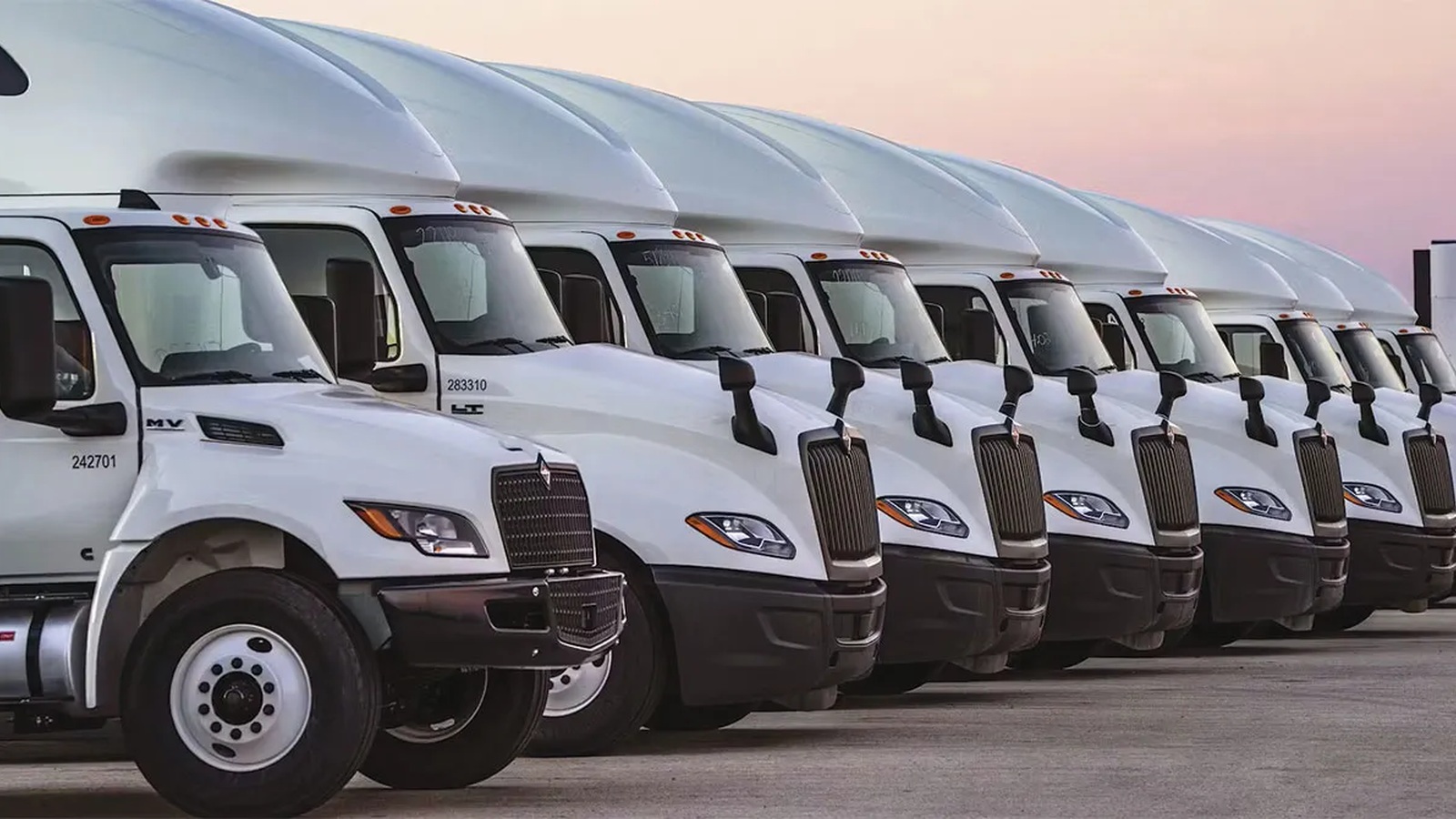
U.S. Class 8 retail sales finally moved above their year-earlier level in June 2026. The increase was small, and the year-to-date market remains down, but the change gives owner-operators and small fleets a useful signal before they replace, finance or keep an older truck.
June broke the losing streak, not the whole downturn
Retail deliveries reached 20,452 Class 8 trucks in June. That was 0.3% more than the 20,392 units sold in June 2025 and 18.4% above the 17,280 sold in May 2026. It was the first year-over-year monthly gain since June of last year.
The broader picture is still softer. Through June, 93,866 Class 8 trucks had been sold, 12.9% fewer than the 107,827 recorded during the same part of 2025. In other words, one improved month has not yet erased the decline that shaped the first half of the year.
Why this matters to owner-operators and small fleets
A turn in retail sales can affect more than new-truck dealers. It may influence used-equipment availability, trade-in conversations, build slots and the timing of major maintenance on trucks that a carrier planned to replace. It does not prove that freight demand has fully recovered, and it does not guarantee a better purchase price.
ACT Research currently expects roughly 229,000 Class 8 retail sales for 2026. June's result would move the annual pace closer to 231,000 if it held. The research group sees improving freight fundamentals, but the recovery remains moderate. Fuel and energy volatility can still change fleet confidence quickly, especially when diesel costs are already pressuring cost per mile.
The gains were uneven across truck makers
Three of the seven major manufacturers posted annual gains in June. International Motors rose 18.4% to 2,498 trucks, Mack increased 15.3% to 1,794, and Volvo Trucks North America advanced 13.4% to 1,878.
Freightliner remained the volume leader with 7,291 trucks and 35.6% market share, but its June sales were 8.2% below the prior year. Western Star fell 5.5% to 1,073, Peterbilt slipped 1.6% to 2,966, and Kenworth eased 0.6% to 2,951. That split is important: this was not a marketwide surge, but a modest total gain driven by a few brands.
What decision should a carrier make?
Do not buy because one headline says the market turned. Compare the payment, insurance, expected fuel use, warranty coverage, maintenance plan and downtime risk against the known condition of the current truck. Ask for written specifications and a complete out-the-door proposal so financing charges, taxes and optional equipment are visible.
If the current truck is reliable and the replacement does not improve the operation enough to cover its added fixed cost, waiting may protect cash. If the current unit is creating repeated downtime, safety exposure or repair bills that cannot be planned, a replacement may be the lower-risk decision even before the market fully recovers.
What the road hero should check
- Review the last 12 months of repair orders, downtime and roadside calls for the current truck.
- Inspect tire pressure, irregular wear, alignment, suspension, wheel bearings and steering components.
- Check brakes, coolant, oil and other fluid levels, visible leaks, lights and charging performance before the next route.
- Compare the exact engine, transmission, axle ratio, warranty and service network on every replacement quote.
- Confirm insurance and financing terms before making a deposit; a lower truck price does not automatically mean a lower monthly operating cost.
- Keep a reserve for the first service interval, registration and any equipment needed to put the truck to work.
Quick answers for fleet buyers
What changed? June Class 8 retail sales were 0.3% higher than a year earlier and 18.4% higher than May.
Who is affected? New- and used-truck buyers, dealers, manufacturers, lenders and fleets planning replacement cycles.
When does it take effect? This is market data for June 2026, not a new regulation or compliance deadline.
How can it affect costs? A firmer market may change negotiating leverage, inventory and trade-in discussions, but the data does not establish a specific price increase or savings amount.
How can it affect safety? A purchase decision should never delay repairs to brakes, steering, tires, lighting or other safety-critical systems on the current truck.
If you decide to keep the current truck longer
Use a preventive inspection to identify the work that can protect uptime before the next long route. Review service options with Truck Savers and take the inspection history to any purchase or financing conversation.
A stronger sales month is a signal, not a purchase order. Preventive maintenance is always cheaper than getting stranded.
Original source
Class 8 truck sales end year of declines with slight bump, published July 17 and updated July 20, 2026.