Class 8 Orders Fall in October: Check the Period First
FTR puts preliminary October orders at 15,600. Separate that monthly signal from year-to-date demand before reviewing a truck purchase.
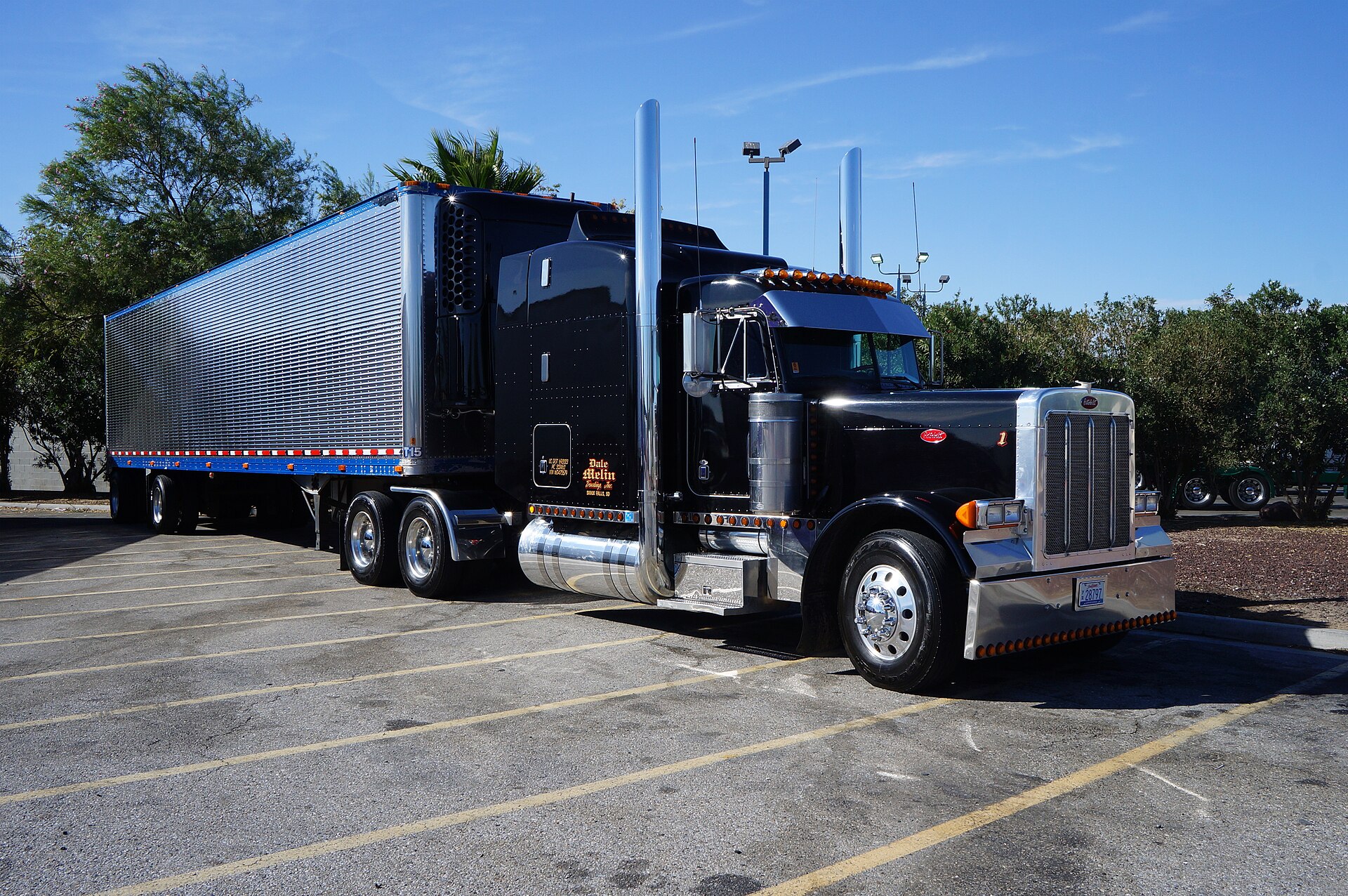
Archive: Peterbilt at Flying J Travel Plaza, Bakersfield, October 9, 2016; Pierre André Leclercq / Wikimedia Commons, CC BY-SA 4.0. Illustrative; not a current order or offer. Photo record · CC BY-SA 4.0.

A weak month inside a stronger accumulated total
FTR reports preliminary North American Class 8 net orders of 15,600 for October 2026, down 24% from September and 36% from October 2025. Its year-to-date total is 278,201, up 74% from the comparable 2025 period. The comparison windows differ: a falling monthly reading and a higher accumulated total can both be true. Neither number tells a particular fleet whether its truck is available or its written quote has changed.
Keep the labels attached
Before forwarding the headline, preserve four labels: preliminary, North American, Class 8 and net orders. Do not relabel it as a U.S.-only delivery total or trucks already working on the road. The release supports the market estimate; your dealer’s records establish the status of your own equipment request. Those are separate questions requiring separate evidence.
Compare like periods in your review
A review sheet can place the current month beside the preceding month, with a different column for the same month a year earlier. Keep the accumulated comparison in its own row. That layout helps prevent taking a percentage from one period and assigning it to another. If you save a revised release later, retain its version date so a colleague can reconstruct what was known at the time. Do not combine an updated total with an old percentage without checking their bases.
Turn a headline into questions for a quote
For a fleet considering replacement, the useful conversation is specific: which configuration is quoted, what is included, what remains estimated and what delivery timing is documented? Ask the seller to distinguish a quotation, an accepted order and a promised build or delivery date. These are suggested questions, not claims about any manufacturer’s current terms. A market report cannot fill a blank in a contract or establish that an unconfirmed unit is on its way to dispatch.
Document the operating need separately
Prepare the reason for considering equipment before debating a market headline. List the service requirement, equipment needed and documented availability of the existing unit. Keep assumptions about downtime, resale value or future work visible. If an amount is unknown, record it as unknown rather than borrowing a confident number from another fleet. This editorial recordkeeping framework does not establish an inspection finding or a technical recommendation for a vehicle.
Orders do not supply your purchase price
The estimate does not provide a price for your specification, financing approval or a future trade-in value. If a proposal includes those figures, identify their actual source and date. Separate a verbal possibility from a written offer. Apply the same discipline to a claimed delivery advantage: ask what is confirmed and by whom. This article does not infer that October guarantees discounts, shortages or a particular freight-rate change. Such conclusions require evidence beyond the order totals used here.
Make the discussion reviewable
Assemble the dated market release, current written quotation and a brief list of unanswered questions. Assign each open item to whoever can verify it. If a decision is deferred, preserve the reason rather than rewriting the record as though an order had been placed. If it proceeds, keep final terms distinct from earlier estimates. A later review can then assess the information actually available, instead of confusing it with how the industry headline eventually developed.
The next useful check
Read FTR’s original release with its comparison periods intact. Understand what the indicator measures before bringing it into an equipment discussion. Questions about the particular truck return to its quotation and seller; questions about the general estimate return to published definitions and later revisions. This single release is not a purchase recommendation or evidence of savings. The source link identifies the report behind the figures above.
Original source: Check the original report and current updates.