CL-4 Oil Orders: Check the Engine First
CL-4 and FB-4 licensing begins in January 2027. Prepare an engine-by-engine oil list before changing a purchase order.
Shell's current PC-12 information identifies API CL-4 and API FB-4 as the names of the next heavy-duty diesel oil categories, with first licensing scheduled for January 1, 2027. For a small fleet, the immediate task is to prepare a purchasing reference for each engine. A future category name alone is not an instruction to change the oil in every truck today.
Put the engine ahead of the purchase order
Build a list using the records already available to maintenance: unit number, engine identification, current manufacturer guidance and the exact product being purchased. Keep any unknown field visible. A blank specification needs clarification; filling it with the oil used in the next parking space only makes the spreadsheet look more complete.
Separate the service category from the viscosity grade in that list. API's current diesel guidance tells owners to consult the engine manufacturer's recommendations and distinguishes FA-4 from categories with which it is not interchangeable. That existing distinction is a useful reason to read the complete specification rather than treating every diesel label as equivalent.
Understand the two names without overpromising
Shell describes CL-4 as the backward-compatible successor to CK-4 and FB-4 as the lower-viscosity successor associated with FA-4 applications. That distinction should be reflected in the supplier conversation. Ask which specific proposed product matches the requirement recorded for the actual engine, and retain the answer with the product documentation.
Chevron's published PC-12 explanation also distinguishes a backward-compatible C category from an F category intended for newer engine designs and lower viscosities. The practical purchasing lesson is to avoid compressing both into a single line marked new oil. Even when a broad category relationship is clear, the order still needs an exact product and grade.
Ask a question the supplier can answer
Give the supplier the engine information and current written requirement. Request the technical data sheet for the proposed replacement, its full designation and the planned availability date. Ask what evidence supports the proposed application. These are purchasing questions, not permission for a driver or dispatcher to override the maintenance instructions for a particular truck.
If the answer covers several units, identify them individually. A note saying approved for our fleet is difficult to apply when a replacement tractor arrives or a vehicle changes assignment. A dated response tied to named engines gives the person ordering oil a reference that can be checked again when the equipment list changes.
Keep the transition visible in the storeroom
Before a new product arrives, review how containers, shelves and dispensing equipment are identified. Use the full product designation on the working reference. Avoid informal labels such as the green bottle or the new drum: a package redesign or a second supplier can make those shortcuts ambiguous without changing the wording in an old service note.
Decide who will update the purchase order template and who will communicate the approved change to the people receiving stock. Record the effective date and affected units. This is a suggested handover process, not a prescribed storage procedure or a claim that the transition requires buying additional equipment.
Do not book savings before they are demonstrated
A category upgrade is not an invoice for a lower operating cost. Keep supplier statements, quoted prices and your own operating observations in separate fields. If a commercial proposal includes savings, ask what engines, service conditions and comparison support that estimate. An attractive percentage without those details cannot describe the next truck's result.
Likewise, leave the current maintenance interval in the operating plan until a properly supported change is authorized through the relevant manufacturer guidance and maintenance process. Do not calculate a longer interval from a product launch date. An order can change its product name while the service schedule still requires a separate review.
A short checklist before placing the order
- Identify the engine and the current written oil requirement for every affected unit.
- Record the complete proposed category, viscosity grade and product name.
- Keep the supplier's dated application response and technical data sheet.
- Confirm actual availability rather than assuming the first licensing date is a delivery date.
- Update receiving and purchasing references together, with one responsible person.
For an owner-operator, this can be a single page kept with the service records. A small fleet can use one controlled list. The useful result is the same: the person authorizing the order can explain what will be purchased, for which engine, and on what documented basis. Prepare that decision now while keeping today's service tied to verified requirements.
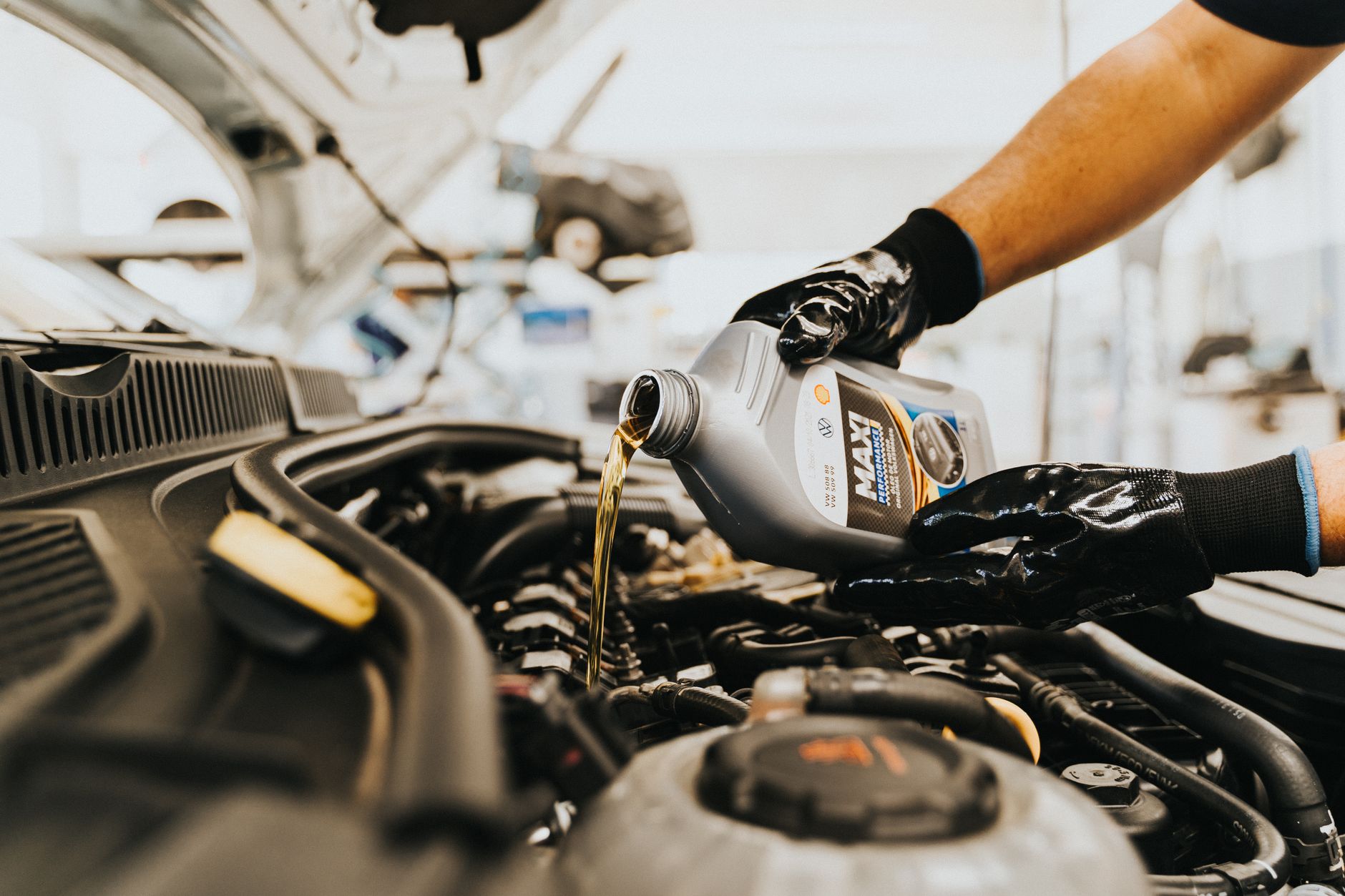
Illustrative oil-service photograph of a car engine; it does not show a licensed CL-4/FB-4 product or establish an approved application. Daniel Andraski / Pexels. Pexels License.
More maintenance reporting and operator checklists.
Original source: Shell Rotella, PC-12 information. Additional verification: Chevron PC-12 explanation and API current diesel categories.