Cargo Theft: Fewer Reports, Bigger Losses in Q3
CargoNet reported fewer supply-chain crime incidents but higher estimated losses in the third quarter of 2026. Keep the reporting period attached.
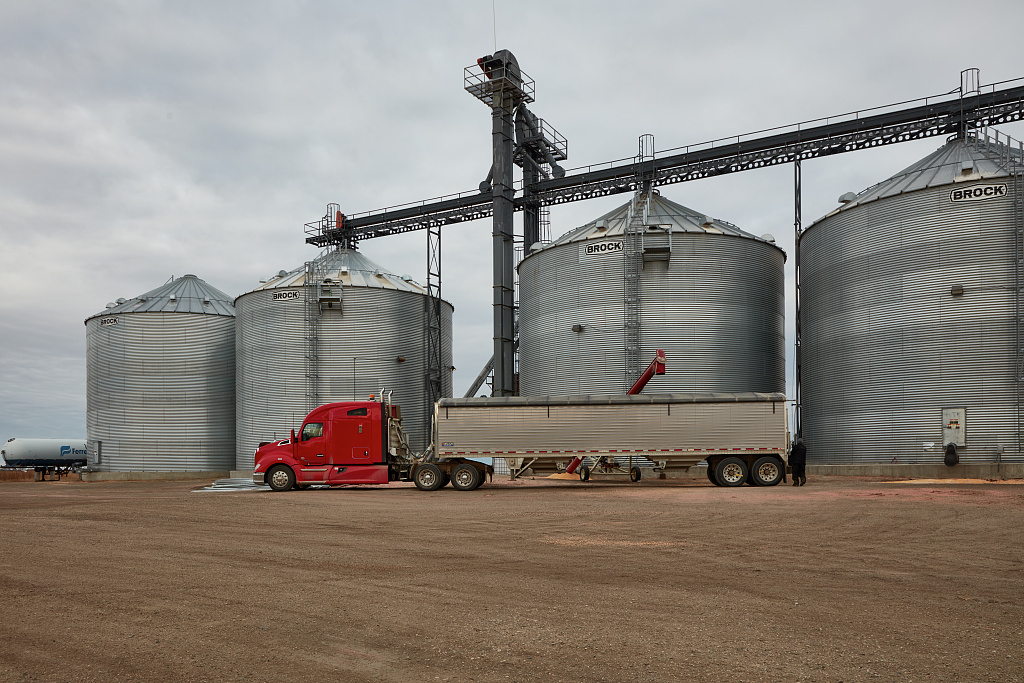
Archive illustration: grain truck near Surrey, North Dakota, November 28, 2021. Photo: Carol M. Highsmith/Library of Congress, no known publication restrictions. Unrelated to reported thefts; no wrongdoing by anyone pictured is implied.
Fewer reported incidents did not mean smaller estimated losses in CargoNet's third-quarter figures released by Verisk on November 4. The U.S.–Canada report counted 547 supply-chain crime incidents, down 33% year over year, and estimated losses of $230.1 million, up 12%. Separately, its year-to-date average for thefts with documented values rose about 72%. That average is neither a third-quarter figure nor a value available for every report.
Keep the period and the population together
For a small carrier reading the announcement, the first practical task is to preserve those labels. A quarterly count, a quarterly loss estimate and a year-to-date average answer different questions. Combining them into a single claim about the typical load would lose information. The figures describe reported activity in the dataset; they do not measure the probability that your next shipment will be stolen.
When sharing the news with dispatch, keep a copy of the release alongside the short summary. State which period each figure covers and whether it is a count, an estimate or an average. If a number cannot be traced back to its definition, leave it out of the briefing. A precise description is more useful than a larger collection of numbers without their boundaries.
Make the handoff understandable
The following is TSN's editorial checklist for organizing a shipment discussion, rather than a security standard or an insurer's instruction. Before a handoff, ask the responsible people to identify the shipment reference, the expected parties and the agreed communication path. Keep confirmed information separate from a requested change. A message proposing a different arrangement is still a proposal until the appropriate person has checked it.
Record who owns that check. If an unexpected request changes the pickup contact, destination or handling arrangement, preserve the request and its origin for review under the carrier's procedures. Avoid turning an unanswered question into a completed verification merely because the load is time-sensitive. The person making the next operating commitment should be able to see what remains open.
Give exceptions a clear owner
Small fleets may have several people handling one shipment over the day. Use a shared operating record that distinguishes the original plan, later questions and approved changes. Ask the responsible manager what evidence is needed for the particular transaction. This article cannot authenticate a company, driver, shipment or document, and the aggregate statistics do not replace that work.
If a discrepancy is found, describe the discrepancy itself. A mismatch between two records is a reason to investigate; it is not proof that a named person committed a crime. Keep any customer update factual and restricted to the shipment information that can appropriately be shared. Obtain qualified security, insurance or legal guidance when the actual case calls for it.
A short dispatch review
- Keep the shipment reference attached to the operating record.
- Identify who checks an unexpected change.
- Separate requested changes from confirmed arrangements.
- Preserve the original communication for the responsible reviewer.
- Record the answer and its source before marking the question resolved.
- Brief the next person on both confirmed facts and open questions.
The useful takeaway from the release is the need to distinguish volume from financial exposure. A lower count in a reporting system does not, by itself, settle a carrier's operating decision. For an individual shipment, the actionable record is the verified arrangement, the person responsible for it and any unresolved exception.
Original source: Verisk's November 4 CargoNet release.