California Puts $1 Billion Behind Electric Truck Rebates
California will offer point-of-sale rebates of up to $120,000 for qualifying battery-electric commercial trucks, giving fleets a new reason to revisit the electric-truck math.
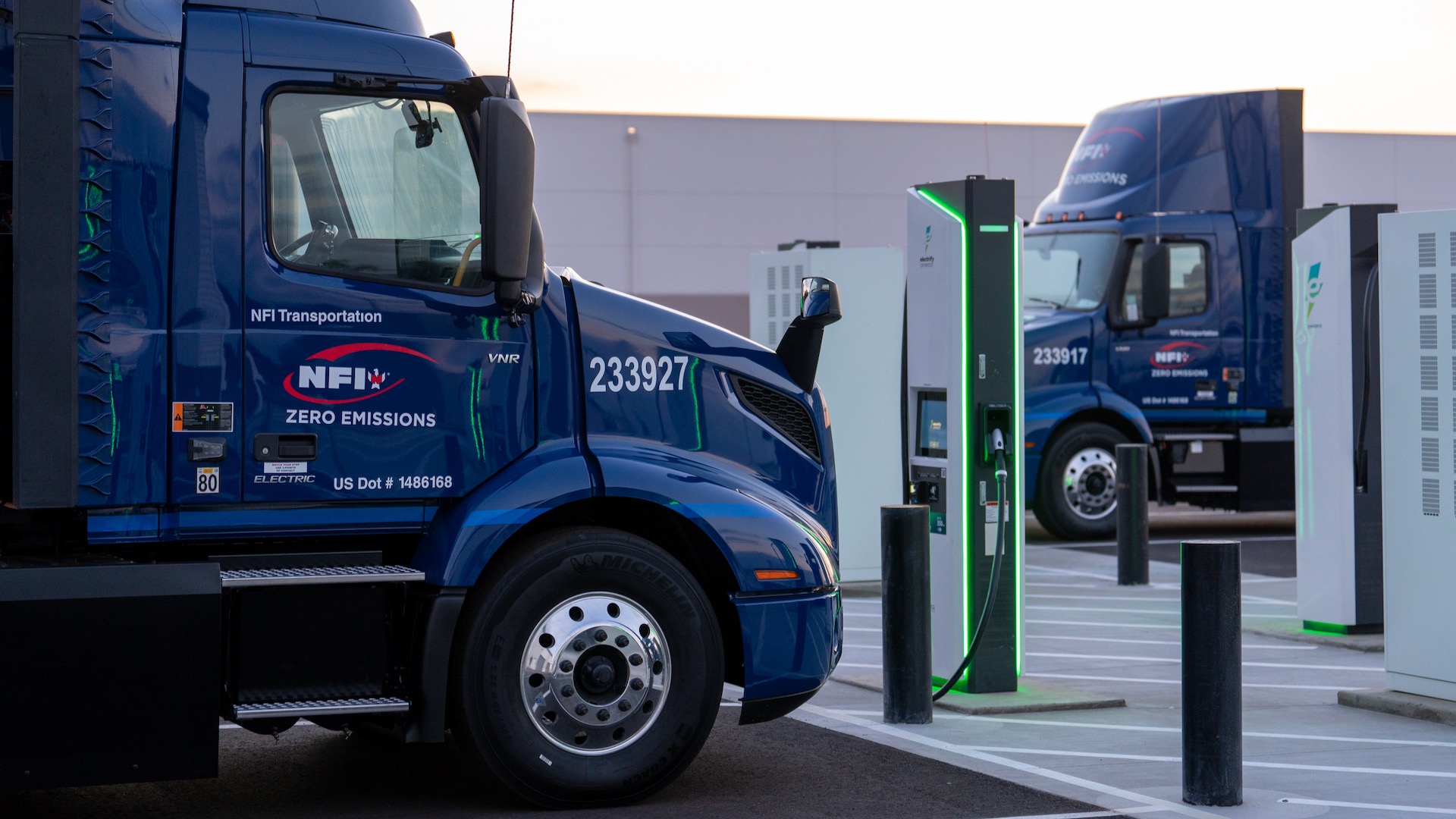
California Puts $1 Billion Behind Electric Truck Rebates
California is preparing a new point-of-sale rebate program for medium- and heavy-duty electric trucks, giving fleets another financial reason to consider battery-electric equipment.
The California Air Resources Board says its new California Clean Fuel Rewards program will open to fleet buyers on June 26. The program is expected to provide rebates from $7,500 to $120,000 toward qualifying battery-electric commercial vehicles, depending on vehicle class and size.
For trucking companies, owner-operators watching the market, and suppliers serving fleets in California, the important detail is not only the headline dollar amount. The rebate is designed to be applied at the point of sale, reducing the purchase price at the dealership instead of forcing buyers to wait for a separate reimbursement process.
What vehicles qualify?
CARB says the program covers a wide range of commercial vehicles from Class 2B through Class 8. That means the incentive can apply to vehicles such as heavy pickup-style commercial units, delivery vans, box trucks, and electric semis.
The program is focused on new battery-electric vehicles. Used vehicles, hybrids, motorcycles, and hydrogen fuel-cell trucks are not part of this specific rebate. California is signing up dealers ahead of the launch so eligible buyers can receive the discount directly during the purchase process.
Why California is pushing this now
The funding comes from California’s Low Carbon Fuel Standard, a policy that has been in place since 2009 and is designed to reduce lifecycle emissions from transportation fuels. CARB expects about $250 million to be available for rebates this year, with the broader program reaching up to $1 billion through 2030.
California already operates other clean-truck incentive programs, including the Clean Truck and Bus Voucher Incentive Project. State officials say those efforts have helped thousands of clean vehicles enter service, but the long-term goal remains much bigger: California wants all new truck sales to be zero-emission by 2045.
What this means for fleets and truckers
Electric trucks still face real business questions: upfront cost, range, charging availability, payload needs, maintenance support, downtime, and resale value. A rebate can make the purchase easier to justify, but it does not eliminate the need for careful route planning and a realistic total-cost-of-ownership calculation.
For local delivery, port drayage, regional routes, and return-to-base operations, incentives like this could accelerate adoption because charging can be planned around fixed routes. Long-haul operations are more complicated, especially where charging infrastructure is limited or where a truck must stay flexible from load to load.
The practical takeaway for fleets is simple: California is making electric equipment harder to ignore, especially for companies that operate inside the state or serve customers with emissions requirements. Even fleets that are not ready to buy should monitor the numbers because incentives, fuel costs, compliance rules, and customer expectations are all moving at the same time.
At Truck Saver News, we will keep watching how these rebate programs affect real-world operating costs for truckers and small fleets. The key question is not whether electric trucks look good in a press release — it is whether the math works when the truck is on the road, loaded, and expected to make money.
Resources for operators: Truck Savers for service, inspections and diesel maintenance support; and Go Green APU for idle-reduction, fuel-savings and APU information.